



Energy efficiency has ceased to be an abstract goal and has become a concrete practice in several shopping centers across the country. High-traffic spaces have managed to cut their electricity consumption in half through a smart energy management.
The application of digital systems allowed for the optimization of more than 9 GWh in various commercial complexes, with a direct impact on reducing daily energy demand. This advancement is supported by continuous data reading and automated decisions.
The change not only involved less consumption but also a transformation in the way large-scale buildings operate. Technology has become a key ally in reducing the environmental impact of urban commerce.

Artificial intelligence and renewable energies, a key combination
The AI-based energy management enabled the integration of thousands of real-time consumption signals. This detailed view allowed for precise adjustments in lighting, air conditioning, and electrical systems.
In parallel, renewable generation gained prominence with a sustained growth of photovoltaic energy. Monitored solar production increased significantly, reducing dependence on fossil sources.
The result was a notable decrease in carbon dioxide emissions in a few months. This approach demonstrates that digitalization and renewables can progress together towards cleaner models.
More efficient buildings prepared for new regulations
The energy optimization also simplified control and audit processes. Data automation reduced operational times and improved the traceability of energy information.
This positions large commercial operators in better conditions to comply with more demanding European regulations on efficiency and transparency. Early adaptation avoids future costs and reinforces the sustainability of the sector.
Moreover, energy efficiency has been integrated into the growth strategy, demonstrating that reducing consumption does not mean slowing down economic activity.
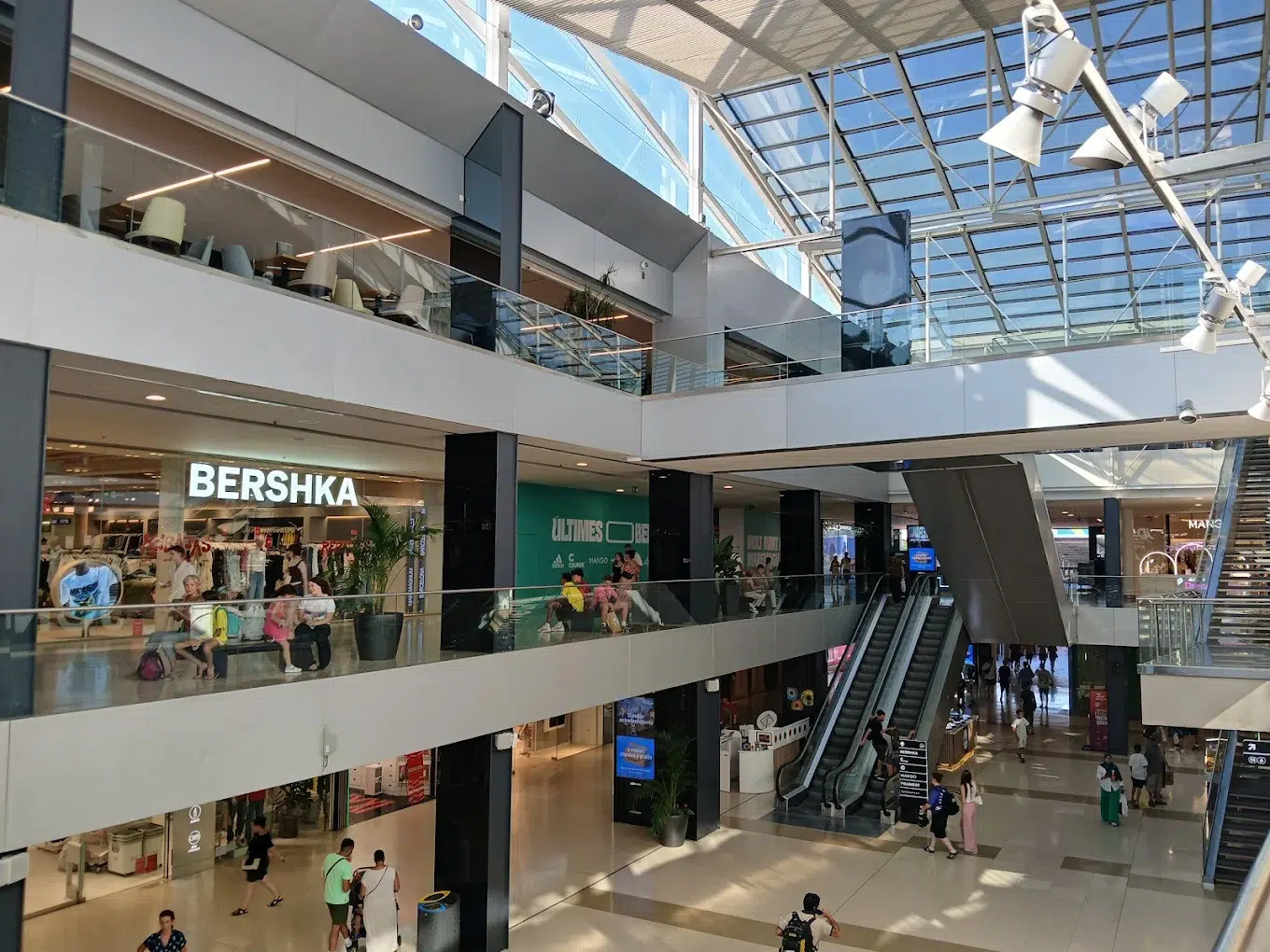
Smart air conditioning to reduce thermal expenditure
One of the most recent advances was the application of smart control in air conditioning systems. The technology adjusts operation according to climate, occupancy, and the building’s real demand.
This type of management allows for a significant reduction in thermal consumption without affecting the comfort of visitors and workers. Efficiency is achieved through the precise use of available energy.
Thus, smart air conditioning is consolidated as a key tool to reduce one of the largest consumption focuses in large enclosed spaces.
How reducing electricity consumption benefits the environment
Reducing electricity consumption directly reduces the pressure on energy generation systems. Less demand implies less need to produce electricity from fossil fuels.
This reduction contributes to lowering greenhouse gas emissions, one of the main drivers of climate change. Every kilowatt saved represents less atmospheric pollution.
Moreover, the efficient use of energy optimizes limited natural resources and promotes a more responsible consumption model. Energy efficiency thus becomes a concrete action to protect the environment.



