



With the growing expansion of electric vehicles, there is also a need to manage the industry’s waste and prioritize environmental care. Thus, researchers have made progress in a sort of lithium battery recycling, which is essential for these cars.
Traditionally, the extraction of this soft metal was focused on the so-called “Lithium Triangle” (Argentina, Bolivia, and Chile), a mining process with a high ecological impact.
In this context, attention began to shift towards possible ways to recover and reuse the material to achieve a more sustainable solution. What is this innovation about?
The technology that recovers lithium from used batteries
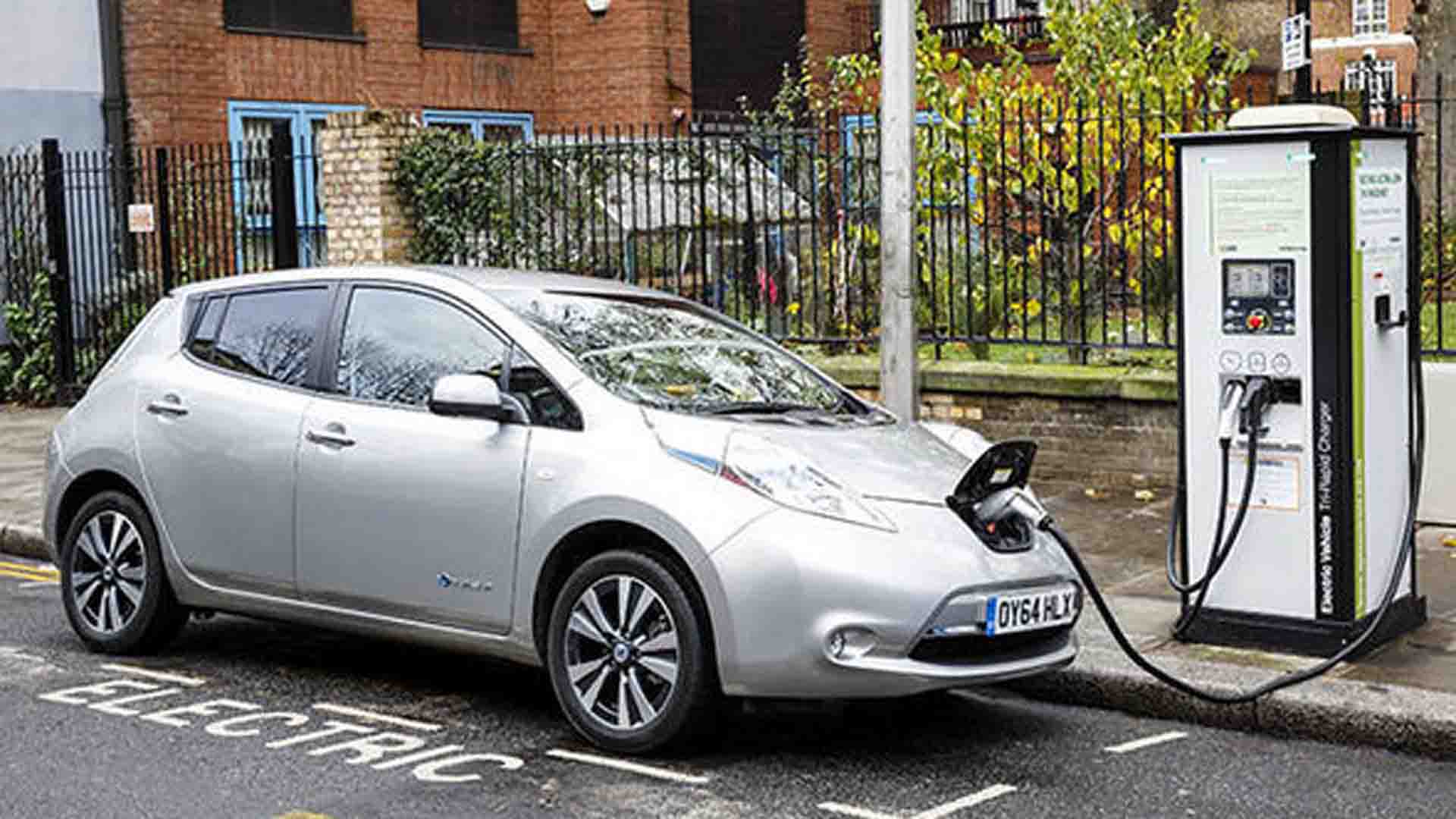
A team from the University of Wisconsin–Madison, led by Professor Kyoung-Shin Choi, developed an innovative electrochemical technology to recover lithium from LFP batteries (lithium-iron-phosphate).
This breakthrough is crucial since these batteries, despite their lower energy density, are becoming increasingly popular due to their low cost, stability, and lower toxicity. That’s why leading manufacturers in the electric automotive industry such as Tesla and BYD use them.
The challenge with LFP batteries lies in the fact that lithium is the only component of high economic value for recycling, which made the process unprofitable.
A cleaner and more profitable lithium recycling process
The method developed by Choi’s team would be an efficient and scalable solution. It performs a selective recovery of lithium ions in two stages, without the need for high temperatures or large amounts of chemical reagents.
This makes it a clean and practical alternative for massive battery recycling. The technology has proven its effectiveness with commercial batteries and with the “black mass” (the crushed battery mix), and a prototype is already being developed.
The interest of major automakers was immediate, as this technology would be a key tool to strengthen their supply chains and reduce mining dependence.
The electric car market, expanding rapidly
This breakthrough comes at a strategic moment. Starting in 2031, the European Union will require a percentage of the lithium in new batteries to come from recycled sources, forcing the industry to adopt circular economy solutions.
At the same time, the electric vehicle market is rapidly growing worldwide. In Argentina, for example, the global leader in electric mobility and Tesla’s main competitor, the Chinese company BYD (Build Your Dreams) took a significant step.
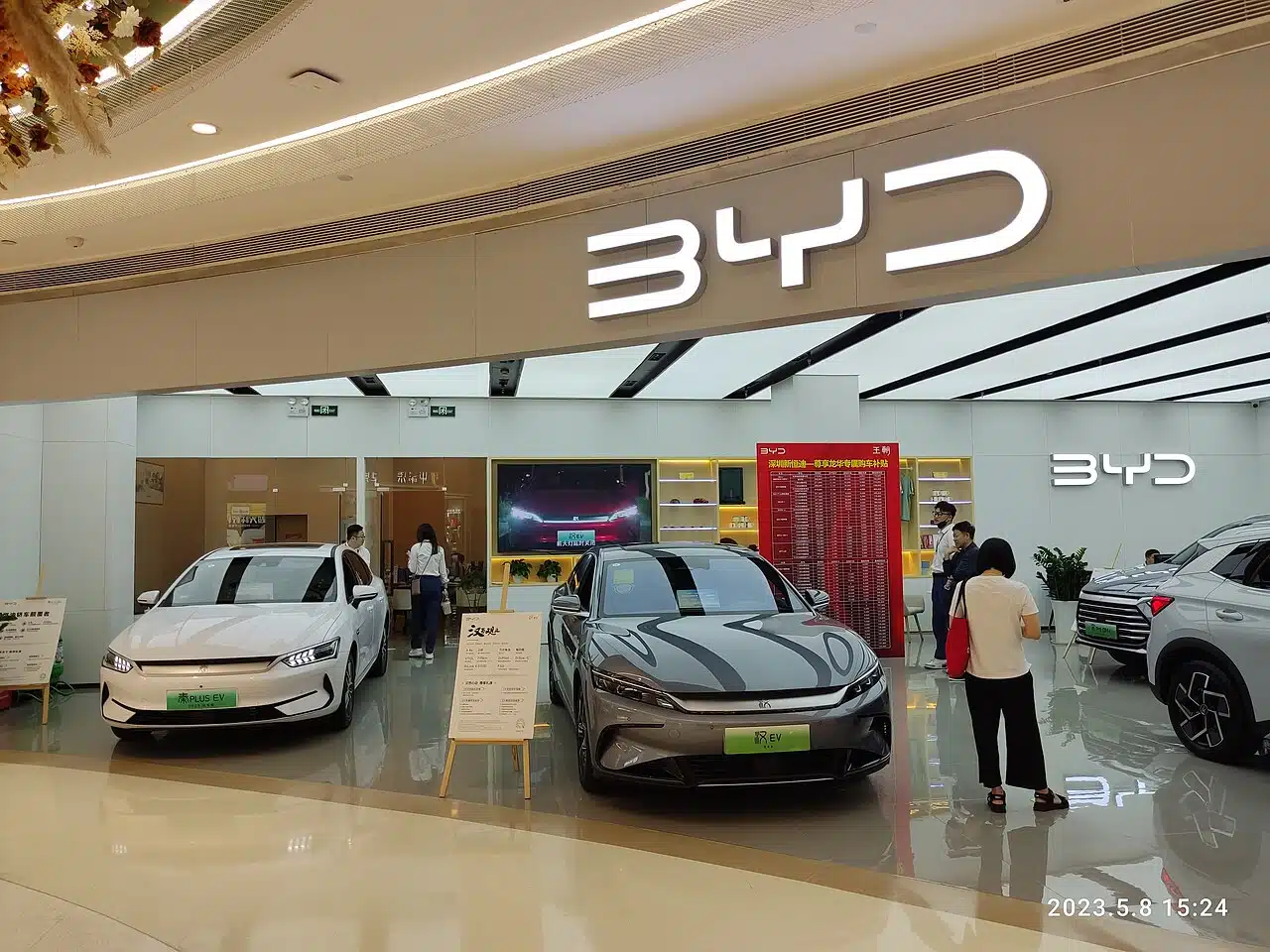
The company was registered as a Sociedad Anónima Unipersonal (S.A.U.) with an initial capital of $30 million, divided into shares subscribed by BYD (H.K.) Co., Limited, the parent company of the group.
They have appointed executive Yuan Deng as president and sole managing director of the subsidiary in Argentina.
The corporate purpose of BYD Auto Argentina S.A.U. includes the manufacture, import, marketing, and maintenance of electric cars, auto parts, batteries, and luminaires. In other words, it establishes a broad framework for future operations.



