



A river alert in the Pilcomayo River, which crosses one of the most biodiverse areas in northern Argentina, shows detectable levels of heavy metal pollution, resulting from mining activity in Bolivian territory.
The research, recently published in an international scientific journal, was funded by the French government and supported by the Trinational Commission of the Pilcomayo River, with the participation of Bolivia, the province of Formosa, and limited involvement of the Argentine national government.
Researcher Esteban Avigliano, Ph.D. in Biological Sciences, provided details in an interview with El Tribuno de Salta.
Alert in the Pilcomayo River: “We have proven that pollution comes from mining in Bolivia”
“The water, sediment, and fish in the Pilcomayo River show levels of heavy metals above what would exist without mining activity. However, today they remain within the permitted limits for human consumption,” Avigliano explained to the Salta media.
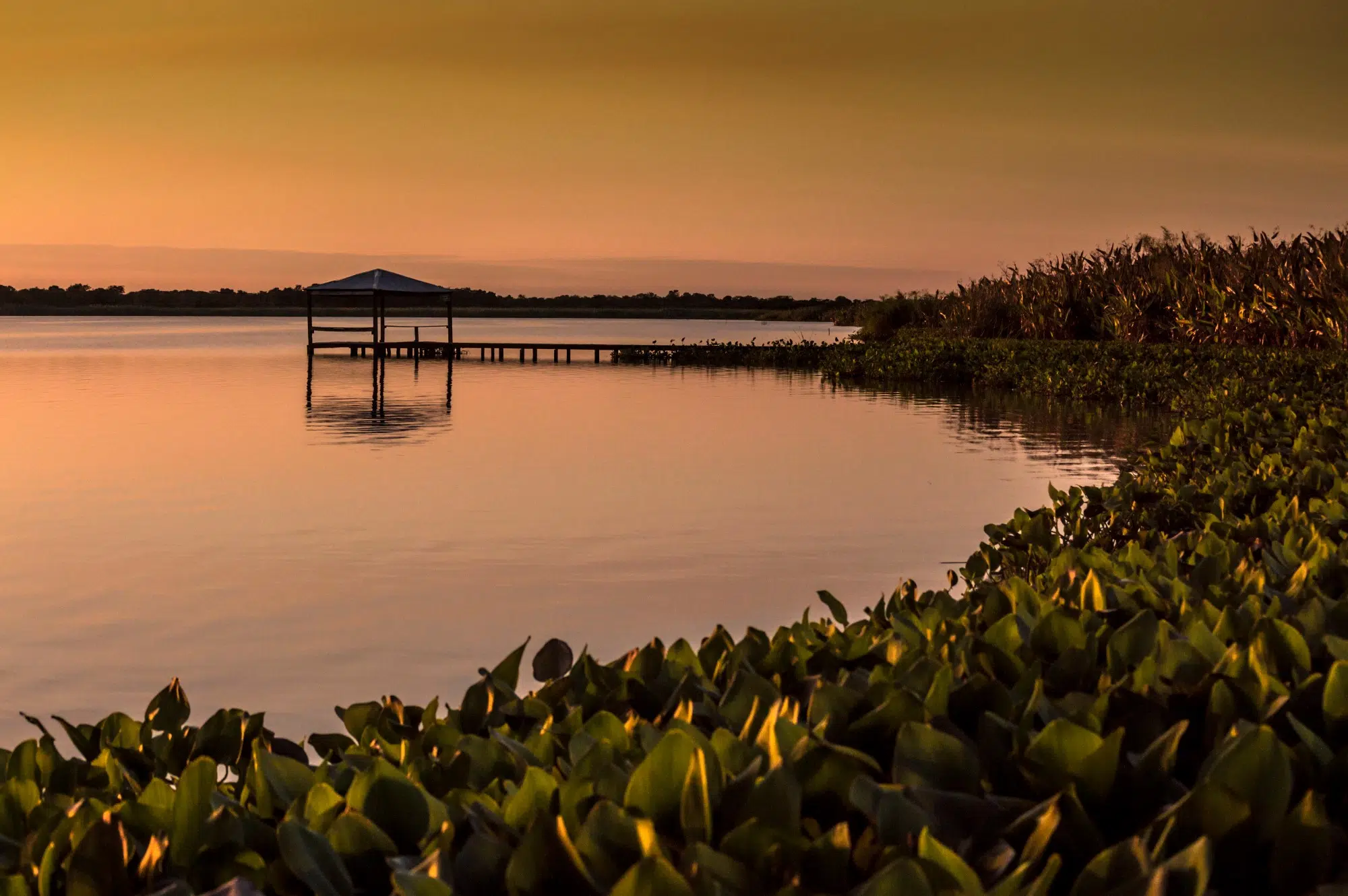 What happens in the Pilcomayo River. (Photo: Arg.gob.ar-APN)
“We sampled from Potosí (Bolivia) to the mouth near Paraguay. And we have proven that the contamination does not come from local activities in Argentina, but is transported from Bolivia,” he added.
According to the researcher, the analysis included multiple field visits over two to three years, and the collected samples were sent to laboratories both in Argentina and France.
Is it safe to consume fish from the Pilcomayo River?
Asked whether fish extracted from the Pilcomayo River can be consumed despite the presence of heavy metals, Avigliano clarified that there are currently no issues.
“The levels are within the permitted limits by health regulations. It’s like any other food: it may have harmful substances in low levels that do not pose a risk. The problem arises if those values skyrocket,” he explained.
However, the warning does not allow for complacency, as the pollution exists and remains at levels that must continue to be monitored. “It is not dangerous today, but it could be if not controlled,” he warned.
The most contaminated areas and the influence of seasons
In the Salteño Chaco area on the Argentine side, pollution levels are lower than in the Bolivian sector of the river. “The closer to the mining activity, the higher the presence of pollutants,” Avigliano stated.
Additionally, the scientist explained that there is a seasonal variation in the amount of pollutants transported by the river: “During the summer floods (between January and March) is when more metals are carried from Bolivia. In contrast, during the dry season (September-November), the transport is much lower.”
The research is particularly relevant in the context of a shared basin among Bolivia, Argentina, and Paraguay, where environmental impacts do not respect borders.
Despite its ecological and social importance, resources and efforts for its protection have been unequal. “From Argentina, we can’t do much more than receive the pollutants,” the researcher lamented.
Heavy metal pollution in Argentina: up to 1.4 billion people in affected areas
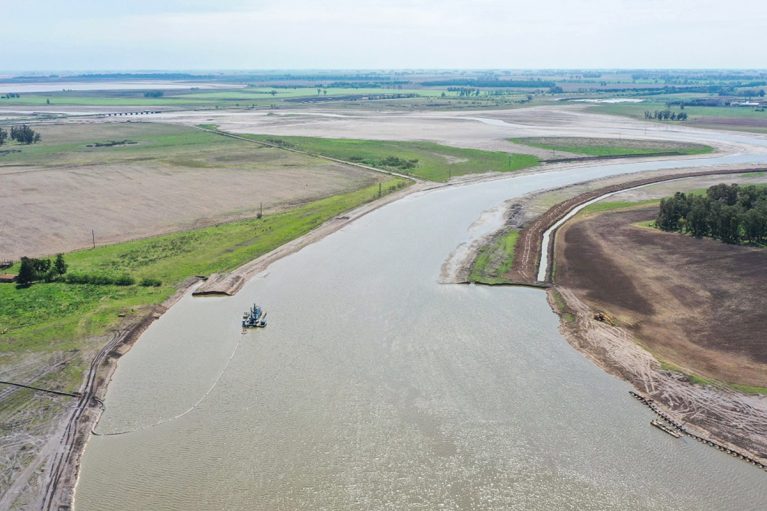 Heavy metal pollution in Argentina: the numbers.
A recent scientific study published this year revealed alarming data regarding heavy metal pollution in Argentina.
Up to 1.4 billion people live in affected areas, where there is presence of arsenic, cadmium, cobalt, chromium, copper, nickel, and lead.
The data suggests that between 14% and 17% of agricultural land (about 242 million hectares) worldwide would be affected by toxic metal pollution.
In this regard, it is estimated that between 900 and 1.4 billion people live in regions with greater environmental and public health risks due to this pollution.


