



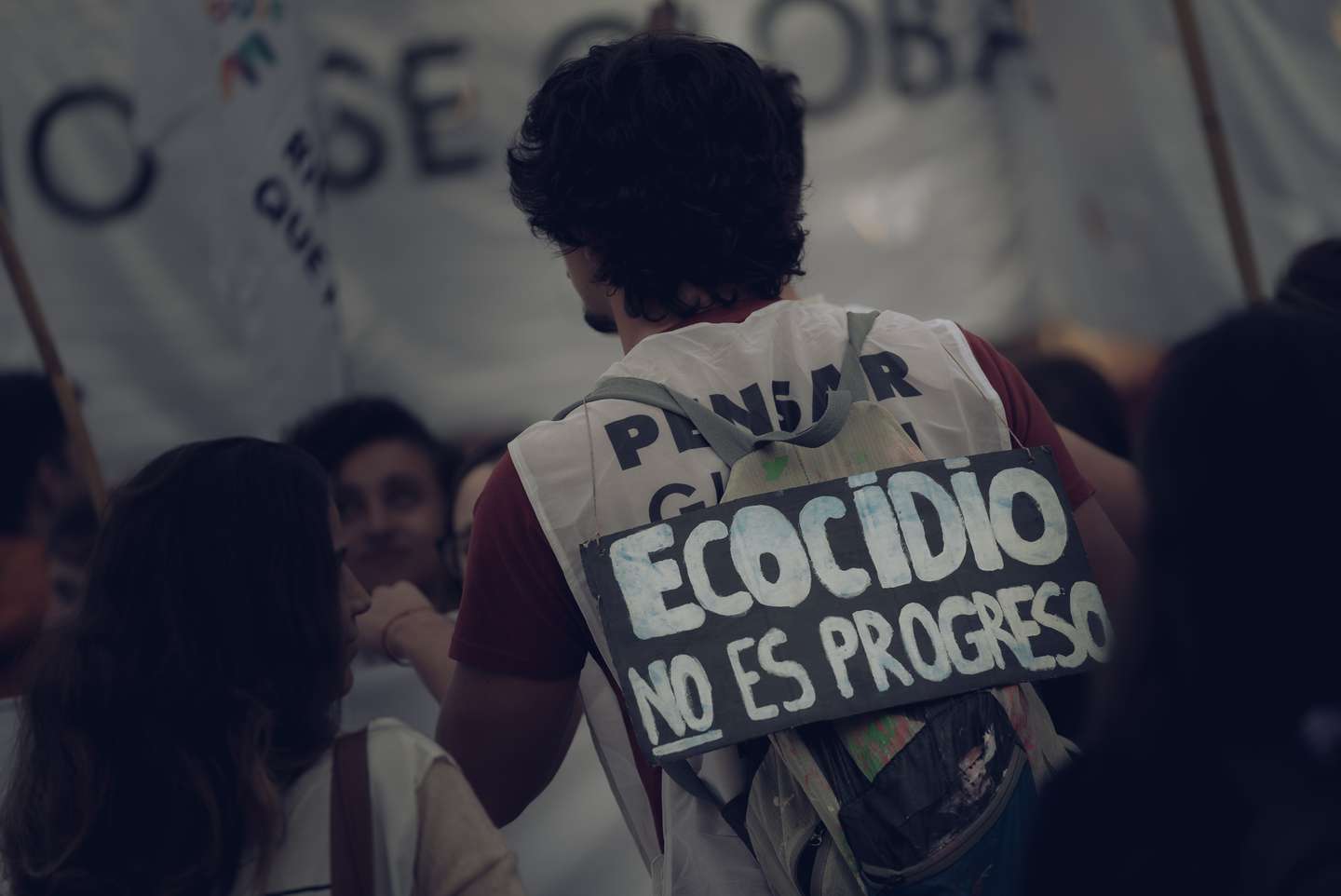
Brussels took a fundamental step towards the criminalization of ecocide. On May 14, the Council of Europe adopted the Convention on the Protection of the Environment through Criminal Law.
This treaty defines and typifies a wide range of serious environmental crimes.
This convention represents the most explicit legal recognition to date of the concept of “ecocide” as such, in a binding European legal instrument.
What is ecocide and how is it defined in the treaty?
While there is talk of the criminalization of ecocide, the term is often not accurately defined. Although the word is not used in the operative clauses, the preamble of the convention makes explicit reference.
The provisions on “particularly serious crimes” and “aggravating circumstances” faithfully reflect the 2021 definition proposed by the Independent Expert Panel convened by the Stop Ecocide Foundation.
This definition includes acts that cause destruction, irreversible, widespread, and substantial damage, or lasting, widespread, and substantial damage to an ecosystem.
What does this treaty imply for Member States?
The treaty establishes minimum legal standards for environmental crimes, including sanctions for corporate offenders.
It also provides protection for environmental defenders and whistleblowers, and ensures public access to information and justice.
For the convention to enter into force, it must be ratified by at least 10 Member States of the Council of Europe, including at least eight member countries.
The agreement is part of a broader strategy to address serious environmental damage. It complements the new EU Environmental Crimes Directive, adopted in April 2024, which expands the list of environmental crimes and increases penalties for offenders.
In addition, it complements the formal proposal by the Pacific island states to add ecocide to the Rome Statute of the International Criminal Court.
Thus, the bloc positions itself as a leader in the fight against ecocide, sending a clear message about the need to protect the environment and ensure justice for present and future generations.
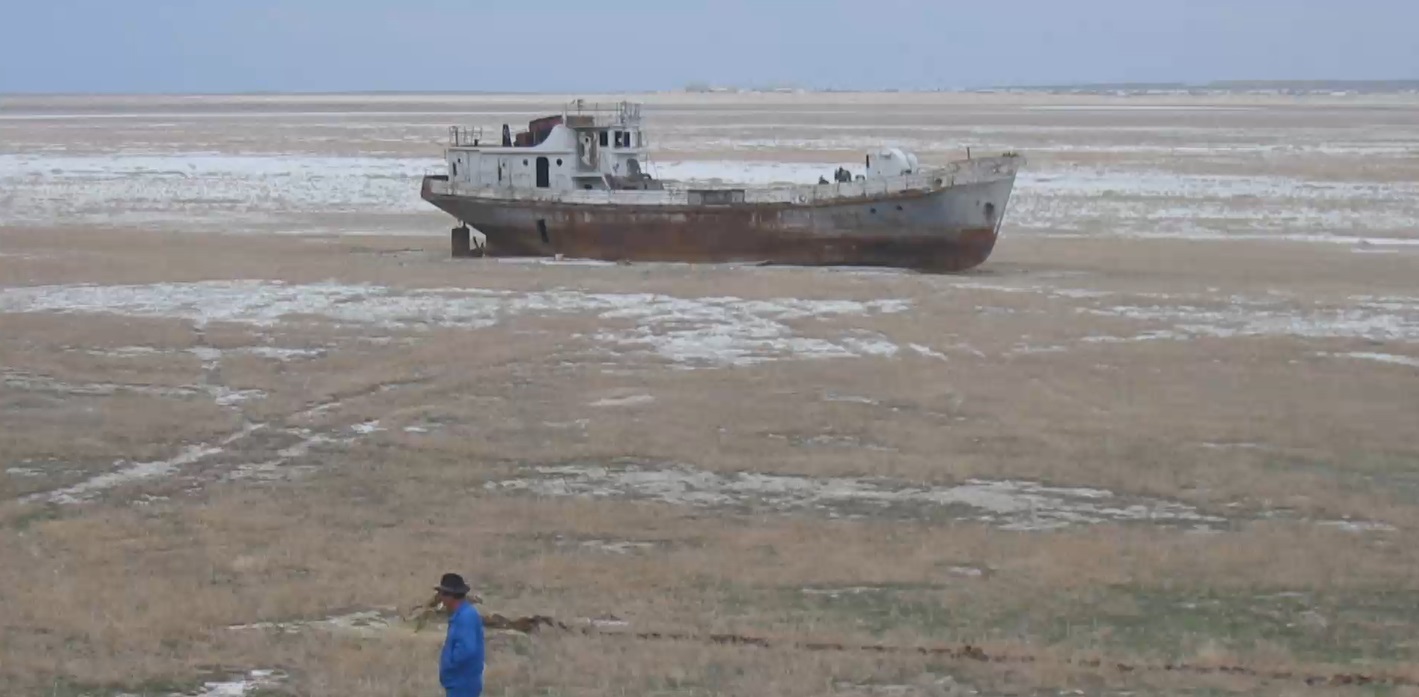 Examples of “ecocide”.
The causes of ecocide
All ecological abuses originate from human activities. To maintain a certain standard of living, the environment is destroyed in exchange for exclusive human benefits. The main activities that could be classified as ecocide are:
- Massive deforestation
- Overfishing
- Chemical and oil spills
- Mining
- Oil extraction
- Pollution
- Chemical weapons
- Nuclear tests and radioactivity
- Trafficking of protected species
- Illegal waste dumping or disposal
- Industries in general



