



The Supreme Court of Justice of the Province of Buenos Aires upheld a ruling against the agrochemical company Atanor, holding it responsible for the irreversible contamination of the Paraná River in San Nicolás.
The legal process, initiated 12 years ago, was consolidated following complaints from the Civil Association Cuenca Río Paraná, which exposed systematic irregularities in the company’s production and state controls.
The ruling gains additional relevance due to new contamination episodes recorded in 2026 and the explosion of a reactor at the plant months earlier, which forced the evacuation of nearby neighborhoods and left residents with respiratory symptoms.
Evidence of Contamination
Recent investigations by Greenpeace Argentina and Conicet confirmed the presence of agrochemicals in stormwater discharges that flow into the Paraná. Among the compounds detected are:
- Glyphosate.
- AMPA (glyphosate degradation product).
- Atrazine and associated metabolites.
- Atrazine-Hydroxy in extremely high concentrations.
These findings reinforce the court ruling and demonstrate Atanor’s insufficient treatments to eliminate the pollutants.
Criticism of State Controls
The ruling also pointed out serious deficiencies in the actions of provincial bodies such as the Water Authority (ADA) and the Buenos Aires Ministry of Environment, which did not verify all compounds related to industrial activity. A clandestine connection was even detected at the plant during recent inspections.
Lawyer Fabián Maggi, representative of the complaining association, emphasized that the ruling raises questions about the true territorial and temporal extent of the contamination and the concrete measures that will be taken to protect the population.
Social and Environmental Impact
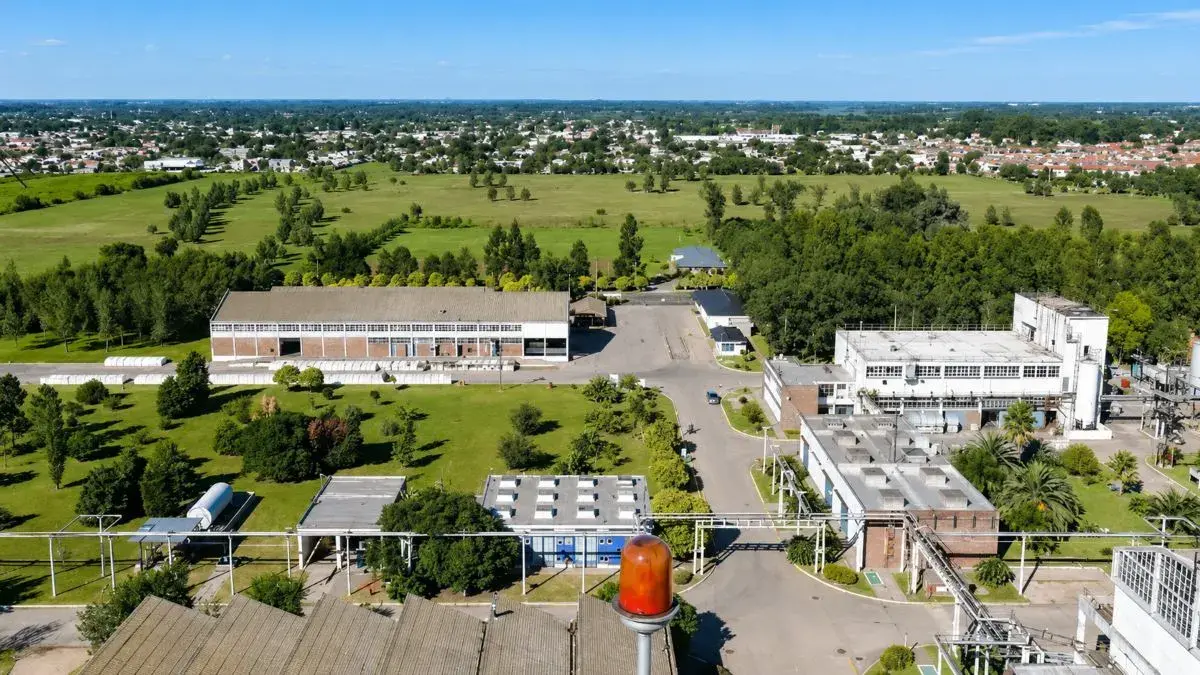
The contamination of the Paraná directly affects thousands of people living around a chemical complex located in the heart of San Nicolás. The risks include:
- Health impact: exposure to agrochemicals with respiratory and neurological effects.
- Environmental degradation: loss of aquatic and terrestrial biodiversity.
- Historical contamination: presence of persistent chemical substances in water, soil, and air.
State Obligations
The court ruling establishes that the State must explain:
- How far the contamination reached.
- How long it persisted.
- What substances remain in the environment.
- What concrete measures will be taken to protect the population.
Maggi insisted on the need for a comprehensive, independent, and transparent environmental investigation to understand the true extent of the historical damage.
Relocation of the Plant
Currently, Atanor is in the process of relocation following the court order to permanently suspend agrochemical production in San Nicolás. Organizations such as Greenpeace and the San Nicolás Environmental Forum (Fomea) demand that the dismantling and cleanup be carried out under rigorous environmental monitoring.
The ruling against Atanor sets a key precedent in Argentine environmental defense. The contamination of the Paraná is no longer just a neighborhood complaint: it is a judicially accredited reality that forces a rethink of state control mechanisms and corporate responsibility in high-risk activities.


