



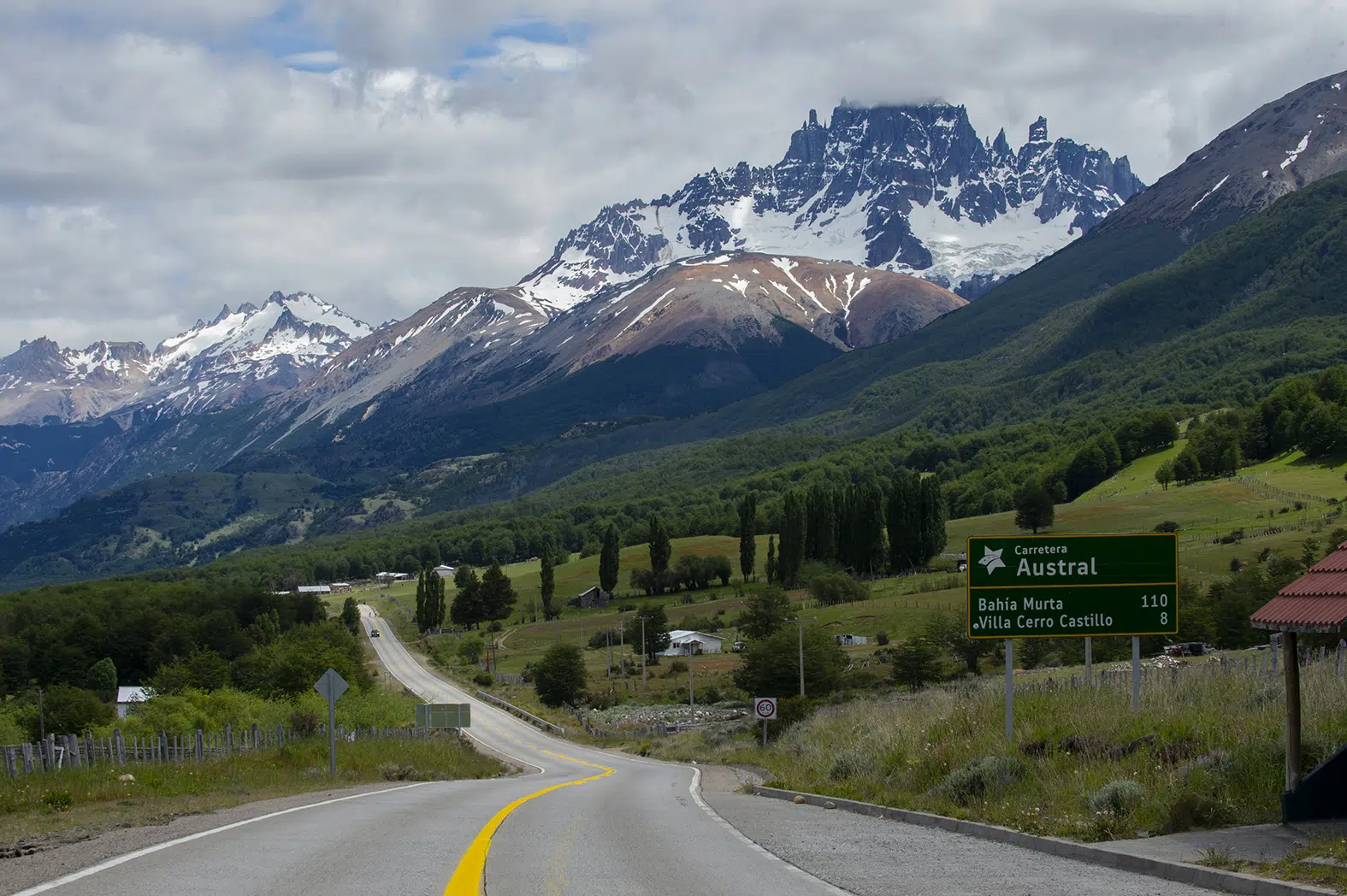
The Cerro Castillo National Park, located in the Aysén Region, became the first Chilean site to integrate the Green List of Protected and Conserved Areas of the International Union for Conservation of Nature (IUCN).
This achievement places Chile among the only 18 countries in the world to have at least one area certified under this demanding international system.
A three-year process to achieve global standards
The certification recognizes effective management and the commitment of the park rangers team.
The application began in 2022, and after three years of technical and operational work, the park was approved by the International Panel of the IUCN Green List.
The recognition was granted for its high level of management, meeting the 50 indicators that evaluate aspects such as governance, planning, monitoring, and conservation results.
“It is a great achievement for effective conservation in Chile,” said Rodrigo Illesca, executive director of CONAF, highlighting the effort of the park rangers team as key to achieving this standard.
What is the Green List and why does it matter
The IUCN Green List was born in response to the need to identify protected areas with solid management models, capable of generating effective results for nature and people. Each certified site demonstrates:
- Respect for local and indigenous communities
- Strategic design to conserve ecological values
- Effective management and constant monitoring
- Tangible conservation outcomes
- Contribution to global challenges such as climate change
Chile and regional projection: new sites on the way
In addition to Cerro Castillo, two other Chilean protected areas are in the certification process: Vicente Pérez Rosales National Park (Los Lagos Region) and Río Cruces Chorocamayo Nature Sanctuary (Los Ríos Region).
Their inclusion would strengthen Chile’s regional position in terms of evidence-based conservation and participatory governance.
An inclusive and global program
The Green List recognizes various types of areas and governance models.
The Green List can include:
- National Parks, Biosphere Reserves, Sanctuaries, and community areas
- Governments, private entities, and indigenous communities as managers
- Sites from any country, such as Brazil, China, Colombia, France, Saudi Arabia, and Zambia
Every five years, new entrants are evaluated based on a set of rigorous criteria defined by the IUCN Green List Standard. These criteria include the quality of protection of natural values and the effectiveness of measures against threats.



