



Since 2021, the state-owned company **Caminos de las Sierras** has been developing an ambitious project of **roadside reforestation with native flora in Córdoba**, which includes the creation of its **own nursery in Malagueño**.
What started as a response to the scarcity of [native species](https://noticiasambientales.com/medio-ambiente/misiones-avanza-en-la-conservacion-ambiental-con-la-creacion-de-un-arboretum-con-especies-nativas-en-san-pedro/) in commercial nurseries has now evolved into a **strategic environmental policy**, with over **98,000 specimens planted** and **85,000 plants in stock**.
## Local Production and Genetic Traceability
**The nursery produces trees** and shrubs adapted to each sector of the road network, with seeds collected from nearby areas.
The nursery started with **raising purchased plants**, but quickly incorporated **seed production**, in a **360 m² greenhouse built with recycled materials**.
Today it has **expanded infrastructure**, automated irrigation, underground water capture well, and a team of **29 workers**. Additionally, they produce their own [compost](https://noticiasambientales.com/residuos/calamuchita-composta-compostaje-comunitario-para-regenerar-suelos-y-transformar-residuos-organicos-en-cordoba/) from pruning waste and horse manure, generating a substrate adapted to local species.
“We work with carob trees, thorny acacias, pepper trees, talas, moradillos, and lesser-known shrubs like chilca or yellow stick,” highlights engineer **María Isabel Cumiano**.
## Landscaping Design and Road Safety
70% of the RAC spaces do not allow trees, so shrubs with **aesthetic and ecological function are prioritized**.
Current production is distributed in **44% trees and 56% shrubs**, according to the characteristics of each section. The specimens are planted with **identified tutors**, selected between **1.20 and 1.80 meters in height**, with **two to three years of growth**, reducing **initial mortality** and improving **road visibility**.
“Large plants suffer less damage and have better adaptation,” explains engineer **Matías Bertolotto**.
## Territorial Expansion and Coordination with Municipalities
More than 11,000 specimens were delivered to 14 localities, with **training and technical follow-up**.
Production exceeded the capacity of self-forestation, so agreements were signed with municipalities to deliver between **1,000 and 2,000 plants per batch**, with the condition that each locality is responsible for **implantation and care**.
The project includes **prior training** and **maintenance verification** before new deliveries.
## Green Infrastructure for a More Resilient Córdoba
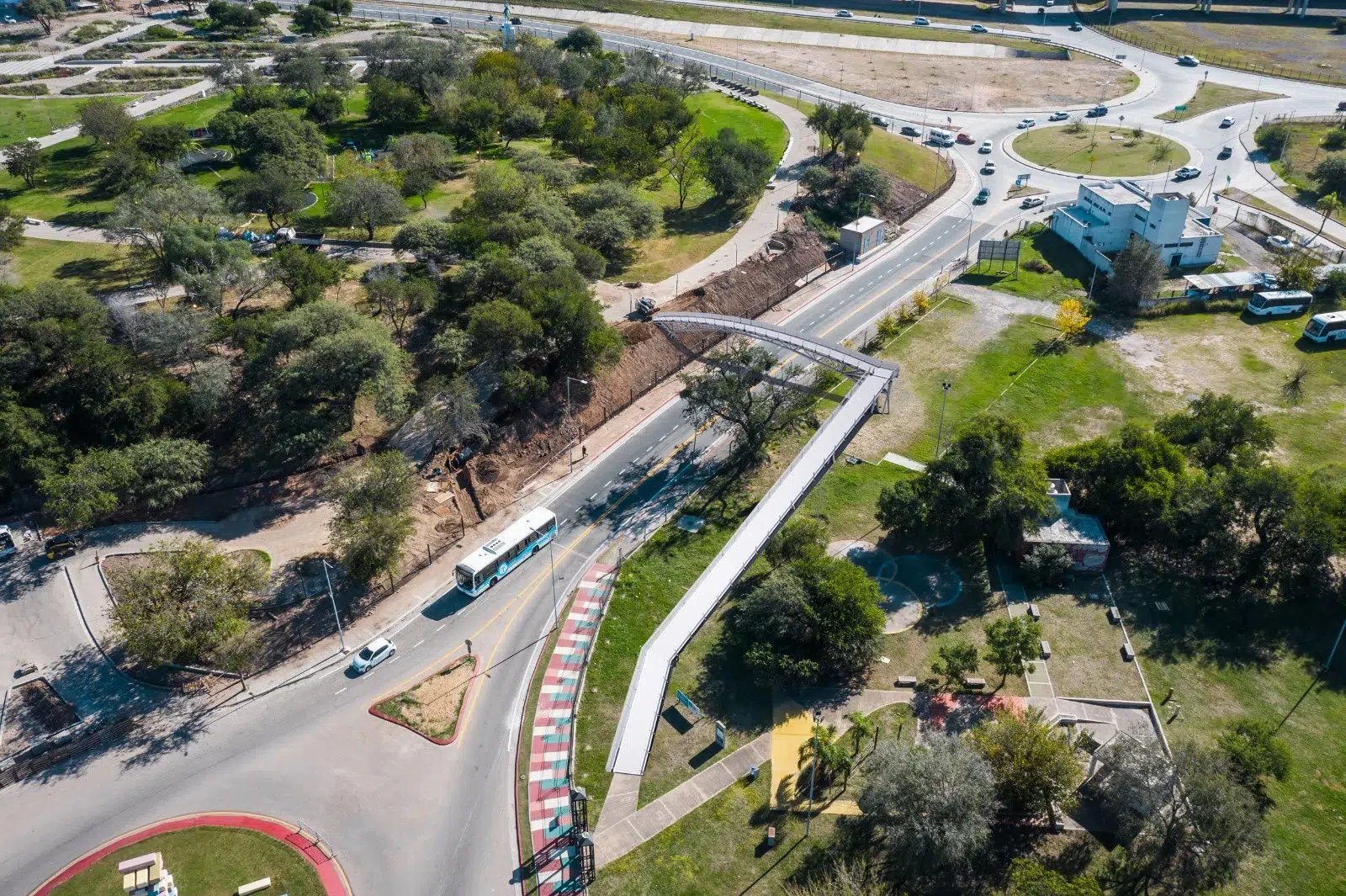
The goal is to densify the Circunvalación and **create a forest ring** that provides lasting environmental services.
A **new greenhouse** is currently being built to **double production** and expand the diversity of species. The central objective is to **densify the forested areas of the Circunvalación**, generating **small urban forests** that improve quality of life and climate resilience.
“This is not just roadside reforestation; it is a long-term environmental project,” states President **Julio Bañuelos**. “What we plant today will be a green ring surrounding the city in 10 or 20 years.”



