



The Argentine Environment Foundation, an organization dedicated to combating climate change and environmental education, promotes the manual removal of invasive exotic species in the province of Córdoba. Among them is the mulberry (Morus spp.), considered a “silent invader” due to its ability to compete with native vegetation and alter the balance of ecosystems.
Biologists Luis Auyeros, Constanza Román, Milena Bertello, Tamara Maggioni, and Lourdes Auyeros explained that these species compete for space, light, water, and nutrients, modify the microclimate, and directly affect local fauna that depend on native plants for food and reproduction.
The Case of the Mulberry
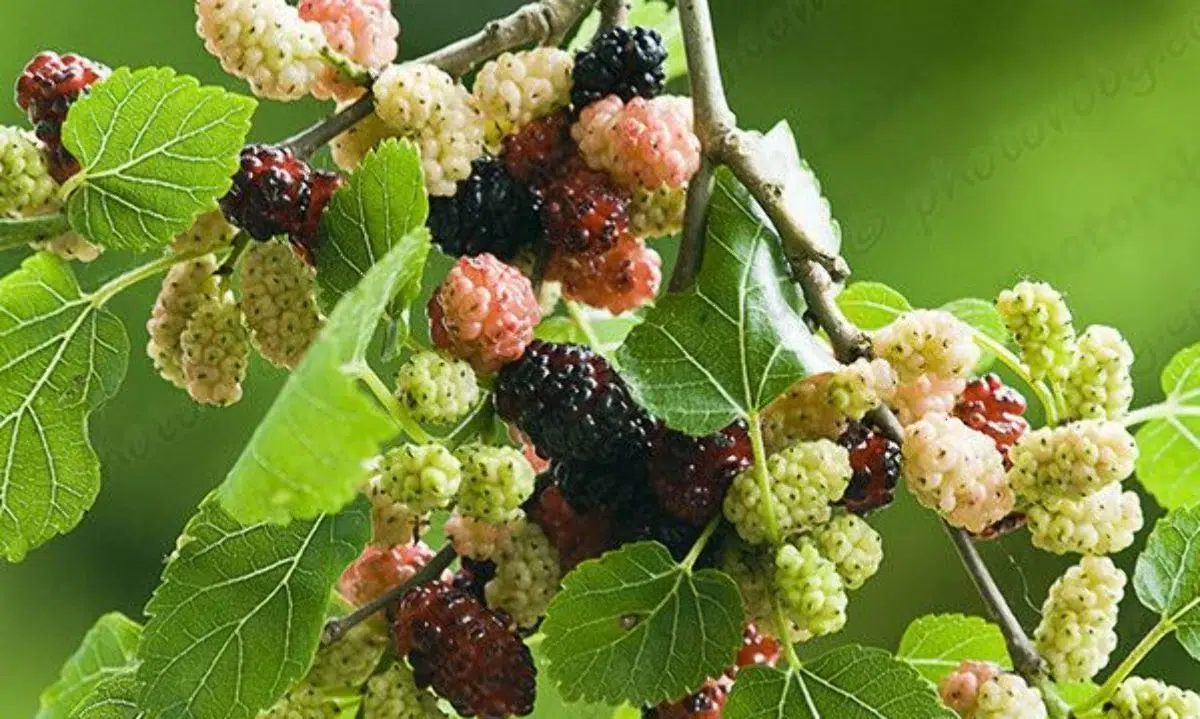
The mulberry, introduced as an ornamental plant or for its fruits, casts a dense shadow that prevents the development of other species. Additionally, it has a high regeneration capacity from roots and stumps, making its eradication difficult once established.
Its invasive success is due to:
- High reproductive capacity, both by seeds and root sprouts.
- Great ecological adaptability, tolerating various soils and climates.
- Few natural enemies outside its native area, allowing it to grow unchecked.
Management Proposal
The researchers propose a strategy based on:
- Manual removal of young specimens before they grow.
- Installation of 4 x 4 meter plots to exclude livestock pressure and observe the natural regeneration of the native forest.
- Use of extracted biomass in a pilot project for social firewood, aimed at communities without access to natural gas, promoting a sustainable energy alternative.
Control Methods and Their Limitations
- Mechanical control: repeated cutting and manual extraction, useful in small areas but requiring great effort.
- Chemical control: use of herbicides, effective but risky for fauna and pollinators; recommended only in specific cases.
- Biological control: research of natural agents such as insects or fungi that exclusively affect the mulberry, with potential for sustainable management.
The Foundation emphasizes that little is still known about the regeneration capacity of the native forest after the removal of the mulberry, so monitoring will be key to evaluating results.
The manual eradication of invasive species like the mulberry seeks to restore the health of Córdoba’s ecosystems, protect biodiversity, and generate social benefits through the use of biomass. The challenge is to find strategies that allow controlling already established populations without harming the environment while providing local energy solutions.



