



A powerful low-pressure system, identified as cyclone Harry, crossed the Mediterranean Sea and strongly affected the south of Italy. In particular, the island of Sicily experienced the most severe impacts on coasts and coastal communities.
In response to the phenomenon’s advance, authorities activated red alerts and ordered preventive evacuations. Additionally, public activities were suspended to reduce risks from waves and flooding.
This episode once again highlighted the fragility of coastal environments. It also demonstrated how extreme events are gaining intensity in a context of climate change.
Swells and winds that surpassed coastal defenses
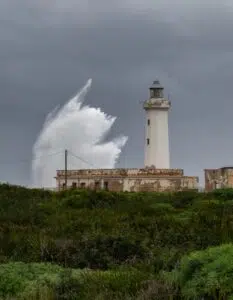
The passage of the cyclone was marked by high-energy swells. In several points of the Sicilian coast, waves exceeding nine meters were recorded.
In Lipari, a tourist island off the coast, the sea overflowed the port barriers. As a result, water entered streets and damaged boats and infrastructure.
Similar situations were observed on the eastern coast of Catania. There, the rapid advance of water flooded urban areas and swept away vehicles.
This was compounded by wind gusts between 120 and 150 kilometers per hour. These conditions intensified coastal erosion and complicated response efforts.
Evacuations and emergency deployment
In response to the persistence of the storm, the Italian Civil Protection activated a large-scale operation. Actions were concentrated in Sicily and other regions under maximum alert.
Nearly 190 people were evacuated from areas considered high risk. Among them, residents from Giampilieri Marina and coastal sectors of Acireale were relocated.
Other localities such as Pachino, Marzamemi, and Granelli adopted similar measures. In parallel, classes were suspended in more than 150 Sicilian municipalities.
More than 6,000 agents and volunteers were deployed to assist the population. Additionally, there were interruptions at airports and maritime connections.
A broader regional impact
Although Sicily bore the brunt of the damage, the cyclone’s reach extended further. Sardinia and Calabria also remained under alert for rain and swells.
In these regions, restrictions on coastal mobility were recommended. The aim was to minimize exposure to a particularly dangerous sea.
Even Malta reported intense storms and hail. However, the damage there was less compared to Italy.
What factors favor the formation of a cyclone?
Cyclones are formed by the combination of several atmospheric factors. Among them, relatively warm waters that provide energy to the system stand out.
Additionally, the presence of a well-defined low pressure favors the ascent of air. This is combined with an unstable atmosphere and high humidity levels.
The thermal contrast between air masses also plays a key role. In the Mediterranean, these processes can intensify in autumn and winter.
Finally, climate change can amplify these phenomena. The increase in sea temperature and sea level heightens coastal impacts.
The cyclone Harry left a clear signal. Adaptation and the protection of coastal ecosystems are becoming increasingly urgent.



