



The Superior Court of Justice of Chaco (STJ) decided to reaffirm the constitutionality of the regulations governing the Land Use Planning of Native Forests (OTBN) and rejected the legal appeals that sought to annul the current scheme.
The decision, reflected in ruling 19/26, was adopted by majority with the support of judges Enrique Varela, Víctor del Río, Emilia Valle, and Alberto Mario Modi, while judge Iride Isabel María Grillo dissented.
The court analyzed lawsuits filed by civil organizations requesting the provincial legislation updating the OTBN to be declared unconstitutional. After reviewing the claims, the majority considered that the regulations comply with the guidelines of the National Law on Native Forests No. 26.331, which sets minimum standards for environmental protection.
Arguments of the Majority
The judges emphasized that land use planning is a central tool for defining land use and reconciling the preservation of natural resources with economic development. They noted that its validity provides legal certainty as it establishes clear guidelines for productive planning and limits arbitrary decisions by the State.
They also warned that a potential annulment of the law would create a regulatory vacuum with negative impacts on both environmental protection and authorized productive activities.
Recommendations of the Ruling
Although the court validated the legislation, it included complementary guidelines:
- The Executive Branch must implement additional mechanisms for social participation, especially regarding the final content of land use planning.
- It must be evaluated whether the regime impacts territories inhabited by indigenous peoples, which could lead to consultation processes in accordance with constitutional and international standards.
- The Legislative Branch must analyze the results of these participatory instances to determine whether normative modifications are necessary.
- The provincial State was urged to strengthen policies for prevention, oversight, and sanctioning of illegal deforestation, in addition to advancing environmental restoration measures.
Judge Grillo argued that the process of developing the land use planning presented irregularities, especially in citizen participation and in the prior, free, and informed consultation with indigenous communities. She considered that these shortcomings justified declaring the unconstitutionality of the norm.
Context and Tensions
The ruling comes amid a scenario of tensions between productive sectors, environmental organizations, and indigenous communities. The judges recalled that the update of the OTBN was prompted after the Judiciary ordered the delay in reviewing the current planning, whose deadline had expired, to be rectified.
They also valued the technical and legislative process that led to the enactment of the norm and its validation by the national environmental authority.
Importance of Chaco’s Native Forests
The forests of Chaco are vital as the second largest forest ecoregion in South America. Their functions include:
- Environmental regulation: they absorb rain, mitigate floods, and store carbon.
- Biodiversity: the Gran Chaco is the most biodiverse subtropical dry forest in the world.
- Economic services: they provide valuable timber, tannin, honey, and medicinal products.
- Cultural sustenance: they support the identity and economy of local communities and indigenous peoples.
- Soil stabilization: they prevent erosion and degradation, essential for agriculture and livestock.
Current Threats
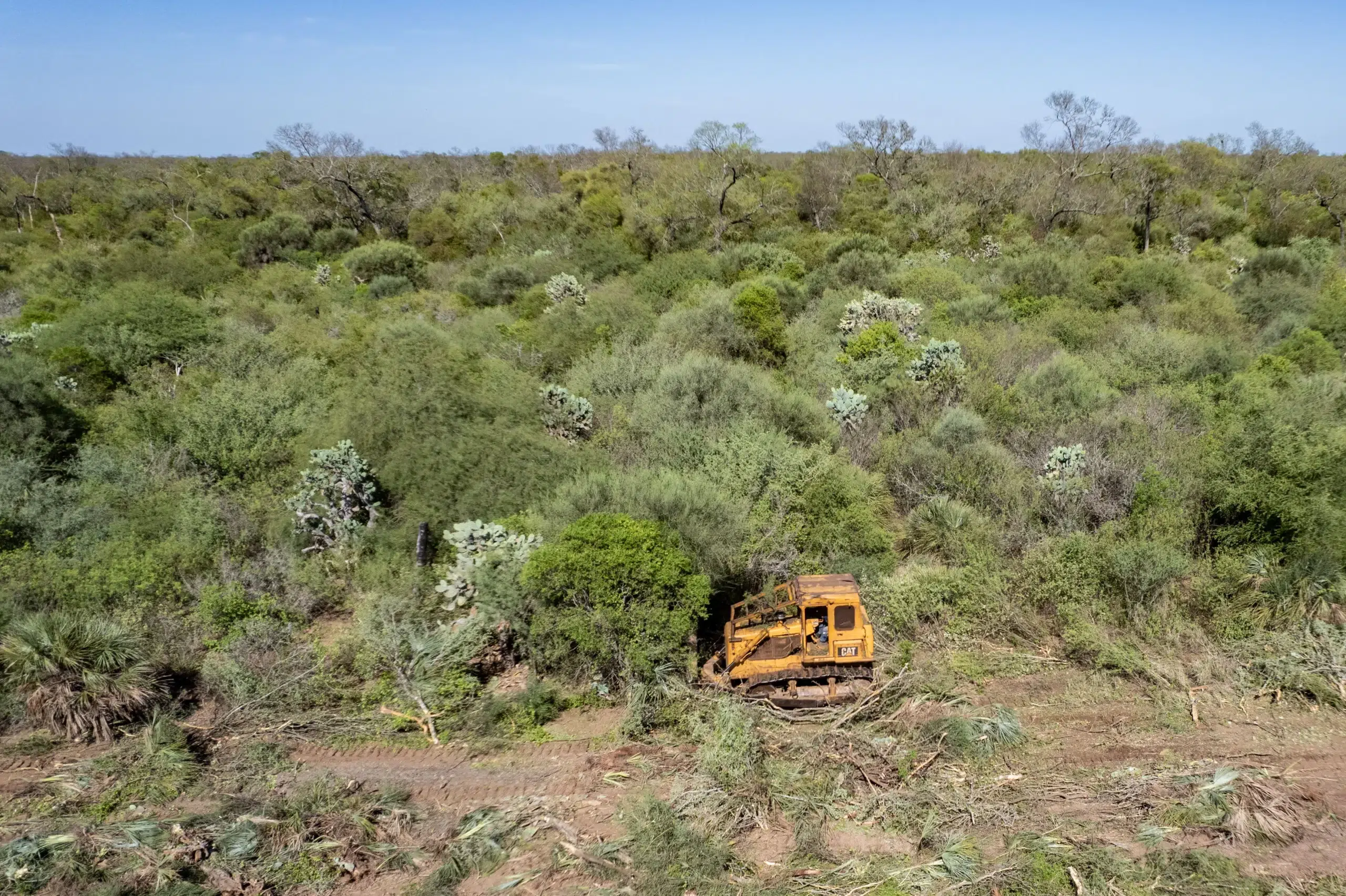
The Gran Chaco faces one of the highest deforestation rates in the world, mainly due to agricultural expansion. In Argentina, nearly 30% of the Chaco forest cover has been lost, reducing natural protection against climatic phenomena and endangering biodiversity and local communities.
The STJ’s ruling reaffirms the validity of the OTBN in Chaco but makes it clear that public policy must remain under permanent review, with improvements in transparency, social participation, and environmental control. The protection of native forests is crucial not only for biodiversity and climate but also for regional culture and economy.



