



A joint report by the World Meteorological Organization (WMO) and the European observatory Copernicus revealed that Europe is warming twice as fast as the global average. In 2025, 95% of the continent recorded temperatures above average, with records of marine heatwaves and surface burned by fires.
The situation is critical: around 70% of European watercourses had flows below average, and the loss of snow and ice reached historical levels.
Extreme Events in 2025
- Heatwave in Fennoscandia: three weeks with temperatures close to 35°C in Norway.
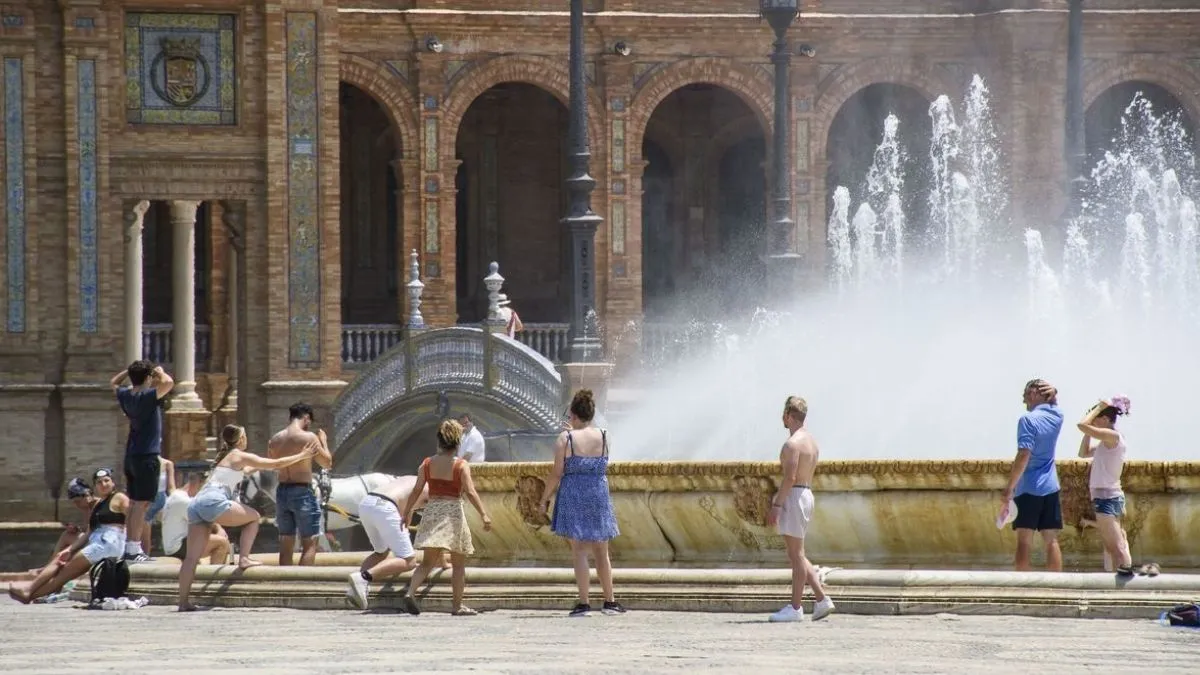
- Spain: up to 50 additional days of thermal stress with “felt” temperatures above 32°C.
- Glaciers: Iceland recorded its second-largest annual mass loss since 2005.
- Snow: in March, the snow-covered area was 31% below average, equivalent to the sum of France, Italy, Germany, Switzerland, and Austria.
- Record fires: more than one million hectares burned, an area larger than Cyprus.
- Oceans: 86% of ocean regions experienced at least one day of “strong” heat.
Consequences for Water and Biodiversity
Drought and high temperatures reduced soil moisture to one of the lowest levels since 1992. In the Mediterranean, underwater meadows —key for biodiversity and as natural barriers— suffered severe impacts from marine heatwaves.
Energy and Green Transition
Among the positive news, renewable energies surpassed fossil fuels for the third consecutive year in electricity generation, reaching 46.4% of production. Solar energy set a record with a 12.5% contribution.
The European Union leads climate action with the European Green Deal, aiming for emission neutrality by 2050. Its pillars include:
- European Climate Law: makes neutrality a legal obligation.
- Fit for 55: reduce emissions by at least 55% by 2030.
- 2040 Target: proposed 90% reduction in net emissions.
- Energy and Security: double energy efficiency and triple renewables by 2030.
Internal Challenges
The transition faces tensions:
- Energy crisis: abandoning fossil fuels generates debates about the speed of electrification.
- Political differences: countries like Poland, Hungary, France, and Italy show reservations, while Germany and others support more ambitious goals.
- Citizen impact: the cost of living softens public support for immediate measures.
Europe is at the epicenter of the climate crisis, with visible impacts on water, snow, biodiversity, and public health. The WMO and Copernicus report provides clear data for urgent political decision-making.
The European Green Deal is consolidated as the continent’s most important economic and environmental strategy, but its success will depend on the ability of member states to accelerate the transition without leaving their citizens behind.



