



Las extreme droughts intensified by climate change are profoundly altering the functioning of terrestrial ecosystems, especially in grasslands and shrublands, which cover nearly half of the planet and store more than 30% of global carbon.
A new study published in Science, led by Timothy Ohlert and Melinda D. Smith (Colorado State University), warns that extreme and prolonged droughts cause much more severe losses in plant productivity than isolated or moderate events.
Ecological impacts: less photosynthesis, more emissions
During droughts, vegetation suffers water stress, reducing its capacity for photosynthesis and, consequently, atmospheric carbon capture. Simultaneously, soil microbial activity decreases, slowing the formation of stable carbon.
In extreme cases, plant death and loss of vegetation cover expose the soil to erosion, releasing previously stored CO₂.
“After four years of extreme drought, the average loss of plant productivity doubles,” the study notes, putting at risk the ability of these ecosystems to act as carbon sinks.
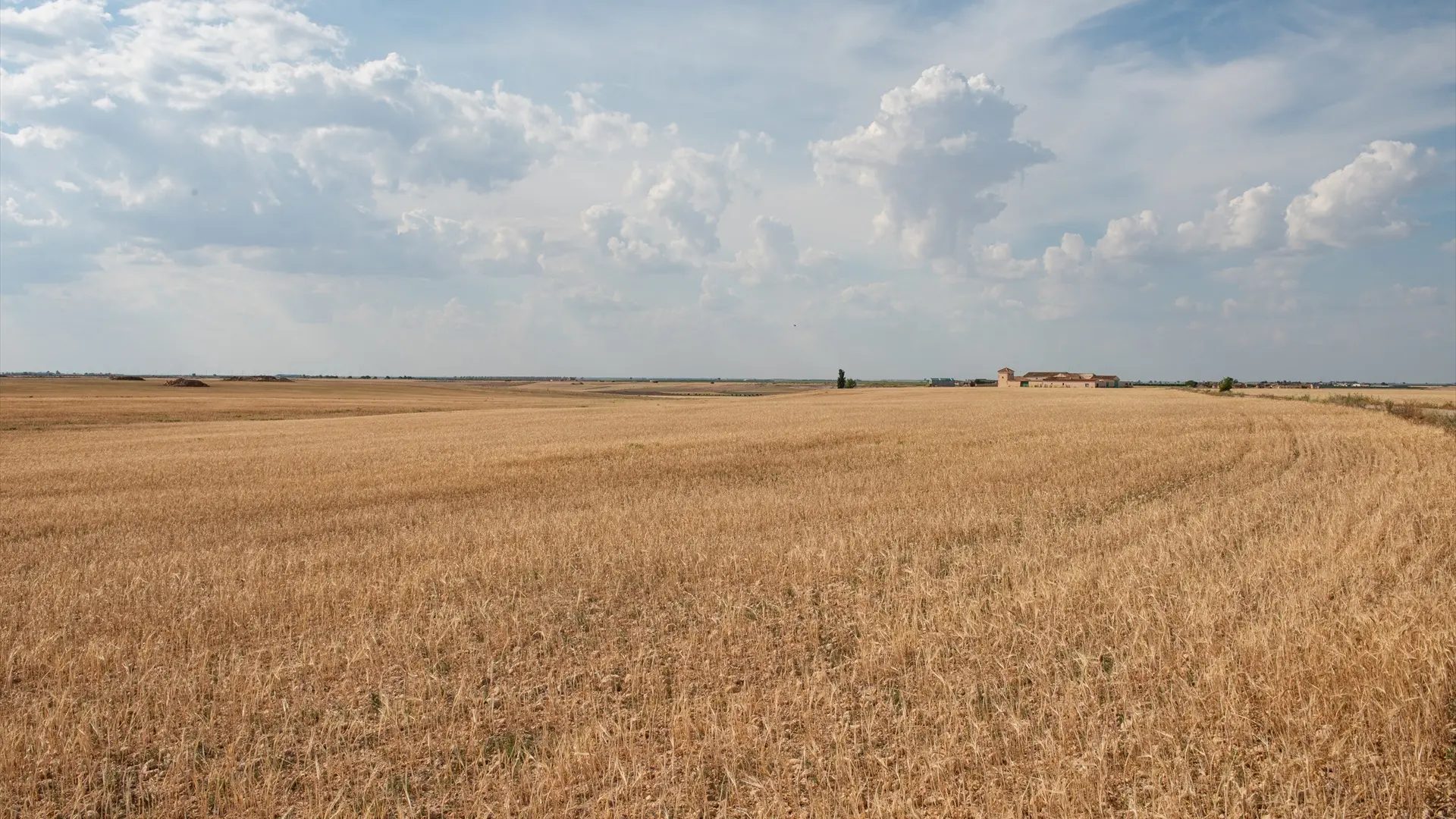
Most vulnerable regions: Mediterranean, Southern Africa, and Central Asia
The analysis, based on data from 74 ecosystems distributed across six continents, reveals that arid and semi-arid zones are the most affected. Among them:
- Mediterranean Region
- Southwest United States
- Southern Africa
- Central Asia
In these areas, prolonged droughts can disrupt the emergence of new plants, reduce their fecundity, and profoundly alter the dynamics of species, exacerbated by high solar radiation and variability in the rainfall cycle.
Risks for biodiversity, livestock, and agriculture
Grasslands and shrublands not only store carbon: they are also biodiversity reservoirs, food sources for livestock, and natural barriers against erosion. The loss of vegetation compromises:
- Livestock production
- Agricultural stability
- Habitats for pollinators and beneficial microorganisms
Moreover, ecological reintegration after extreme events becomes increasingly difficult, especially when droughts repeat over several consecutive years.
A global experiment to understand the climatic future
The research is part of the International Drought Experiment (IDE), the largest experimental network dedicated to the study of droughts, with more than 170 researchers. The design replicated in the 74 study sites allows for comparison of impacts in different climates, soils, and plant communities.
The rain manipulation structures used demonstrate that the effects of extreme droughts are globally significant and could transform these ecosystems into carbon-emitting sources, creating a vicious circle: less retained carbon implies more greenhouse gases and greater global warming.



