



A recent laboratory analysis raised alarms about the water quality in an area of Bariloche. Residents report fecal contamination in Lake Gutiérrez.
According to samples taken near Colonia La Salle, they revealed significant fecal contamination, with coliform levels exceeding the safety limits established by the Argentine Food Code.
Grave denounce in Lake Gutiérrez: health hazard and lack of disinfection
The results, according to the report sent by the complainants to the baribache3000 medium, showed 5.1 MPN/100 ml of total coliforms and 1.1 MPN/100 ml of fecal coliforms. These values confirm that the water is not suitable for human consumption.

These indicators suggest the presence of pathogenic bacteria, representing a health risk that can cause gastrointestinal diseases.
Furthermore, the study confirmed the total absence of free chlorine in the lake water. This shows the lack of a disinfection process in the natural source, a critical factor for water safety.
Drinking water network, a relief for residents
The investigation began after several residents reported anomalies in the tap water. Fortunately, a second analysis, carried out on a domestic water sample, yielded reassuring results: it met all quality standards and had adequate chlorine levels.
This confirms that the treatment and distribution system of drinking water is working correctly.
Although this network is safe, contamination in the main source, Lake Gutiérrez, poses an urgent challenge. The presence of fecal coliforms could be caused by sewage discharges or runoff.
Authorities are urged to take immediate measures to identify and eradicate sources of contamination. This situation highlights the need to protect the watershed of the lake and implement stricter control measures to preserve this vital water resource.
Main dangers of fecal water contamination
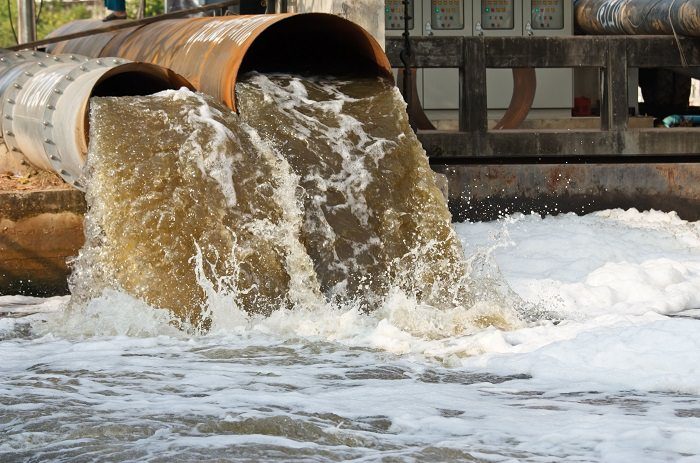 Dangers of water contamination.
The major risk of fecal contamination is the presence of pathogenic microorganisms, such as bacteria, viruses, and parasites found in human and animal feces. These pathogens are not visible and do not alter the taste of water, so a person may consume it without realizing the risk.
Common diseases and symptoms
In cases of exposure to contaminated water, a series of diseases can occur, especially those that affect the gastrointestinal system. Among the most common are:
- Diarrhea and gastroenteritis: caused by bacteria like Escherichia coli, Salmonella, and Shigella. Symptoms include abdominal pain, nausea, vomiting, and fever.
- Cholera: a severe disease caused by the Vibrio cholerae bacterium. It is characterized by severe watery diarrhea that can lead to rapid and potentially fatal dehydration.
- Typhoid fever: caused by the Salmonella Typhi bacterium. Symptoms include high fever, weakness, headache, and loss of appetite.
- Parasitic infections: like giardiasis or cryptosporidiosis, causing prolonged diarrhea, cramps, and fatigue.
- Hepatitis A: a virus affecting the liver, causing symptoms such as fever, nausea, fatigue, and yellowing of the skin and eyes.



