



The air pollution in New Delhi, India, generated more than 200,000 cases of acute respiratory diseases between 2022 and 2024, according to official figures from the Ministry of Health of India.
The data exposes the persistent impact of smog on one of the most populated urban areas in the world.
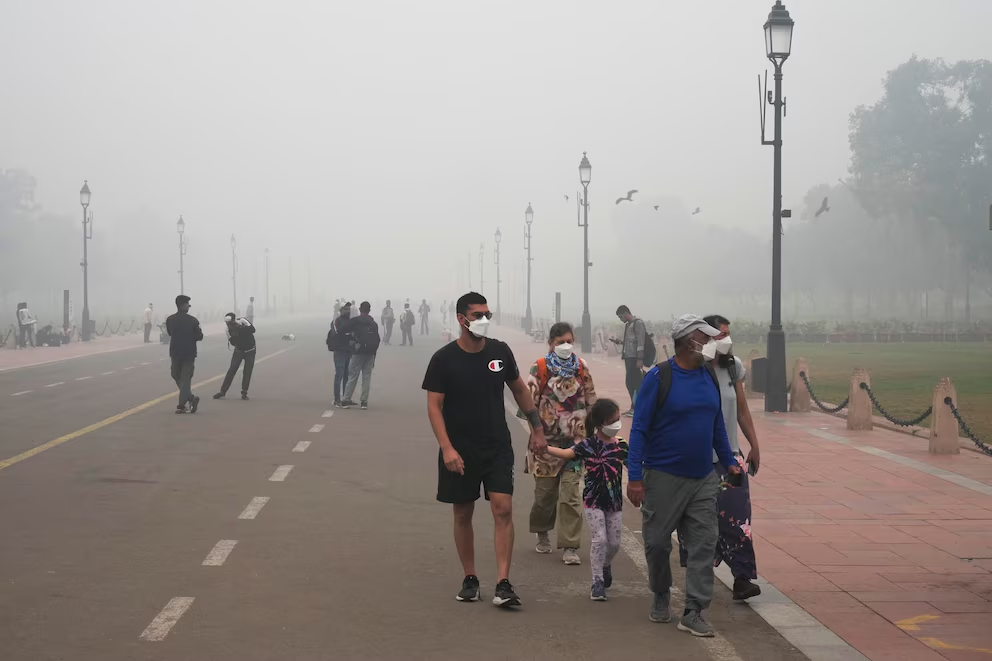
This season, PM2.5 particles reached concentrations up to 60 times higher than the daily limit recommended by the World Health Organization (WHO).
As a result, thousands of people required medical attention for conditions linked to environmental pollution and the persistent smog in the Indian capital.
Hospitalizations and emergencies due to air pollution in New Delhi
The Ministry of Health reported that the air pollution, prevalent in New Delhi; the capital of India, is among the main triggers of respiratory conditions.
Prataprao Jadhav, Deputy Minister of Health, stated that “the analysis suggests that the increase in pollution levels was associated with an increase in the number of patients visiting the emergency rooms.”
During the same period, more than 30,000 people with respiratory diseases required hospitalization.
Doctors warn that many patients suffer recurrent episodes during the winter season.
This is the time when prolonged exposure to polluted air causes persistent lung inflammation.
Among the most common pathologies are:
- Acute bronchitis
- Asthma
- Pneumonia
- Chronic obstructive pulmonary disease (COPD)
- Worsening of pre-existing heart problems
Causes and critical levels of air pollution in New Delhi
New Delhi, part of a metropolitan region exceeding 30 million inhabitants, faces a dense layer of smog every winter that covers the urban horizon.
The climatic conditions of the season create a “thermal trap” that concentrates toxic gases over the city.
This is compounded by a combination of emission sources:
- the burning of agricultural waste in neighboring states;
- industrial activity;
- electricity generation based on fossil fuels, and;
- intense vehicular traffic.
The fine particles PM2.5, considered carcinogenic due to their ability to enter the bloodstream, reach extreme values.
Their microscopic size allows them to penetrate deeply into the lungs and pass into the bloodstream.
This favors systemic inflammatory processes that lead to cardiovascular and neurological damage.
New Delhi consistently appears in international environmental monitoring rankings among the capitals with the worst air quality.

The impact on the vulnerable population and mortality estimates
A study published in The Lancet Planetary Health estimated that air pollution was linked to 3.8 million deaths in India between 2009 and 2019.
The high exposure to PM2.5 was associated with chronic respiratory diseases, strokes, heart diseases, and lung cancer.
The United Nations Children’s Fund (UNICEF) warned that children are among the most vulnerable groups.
Constant exposure generates:
- higher risk of acute respiratory infections;
- reduced lung development;
- alterations in the immune and neurological systems during critical growth stages.
In low-income sectors, where access to medical care is limited, the situation worsens even more, widening existing health inequalities.
Despite the clear correlation between pollution and increased hospitalizations, the Ministry of Health emphasized that pollution does not act in isolation.
According to the health department, “the health effects of air pollution are a synergistic manifestation of factors including dietary, occupational habits, socioeconomic level, medical history, immunity, and heredity.”
However, specialists warn that without structural policies to reduce emissions, New Delhi’s health system will continue to face increasing pressure.


