



The Supreme Court of Justice dismissed an environmental lawsuit filed in 2004 against oil companies operating in the Neuquén Basin and in Vaca Muerta, closing one of the longest-running litigations related to the Argentine hydrocarbon industry.
The ruling, signed by Horacio Rosatti and three associate judges, favors companies such as YPF, Chevron, Pan American Energy, Pluspetrol, Petrobras, Total Austral, and Wintershall, among others.
The original lawsuit
The Association of Surface Owners of Patagonia (ASSUPA) demanded comprehensive remediation of environmental damage allegedly caused by oil activity:
- Desertification processes.
- Opening of roads and soil alteration.
- Damage to watercourses.
- Impacts on air and water in productive areas of Neuquén.
ASSUPA requested that the companies be obliged to repair the damages, but after more than two decades of legal proceedings, the Court concluded that no concrete evidence was provided, nor were the affected areas precisely identified.
Arguments of the ruling
The court questioned the “vagueness and imprecision” of the accusations and noted that the lawsuit did not specify soils, watercourses, or circumstances of time, manner, and place. Furthermore, it considered that the existence of interjurisdictional environmental damage, a key requirement to enable the Court’s original jurisdiction, was not proven.
The judges warned that the plaintiff sought an investigation based on conjectures, without sufficient technical evidence.
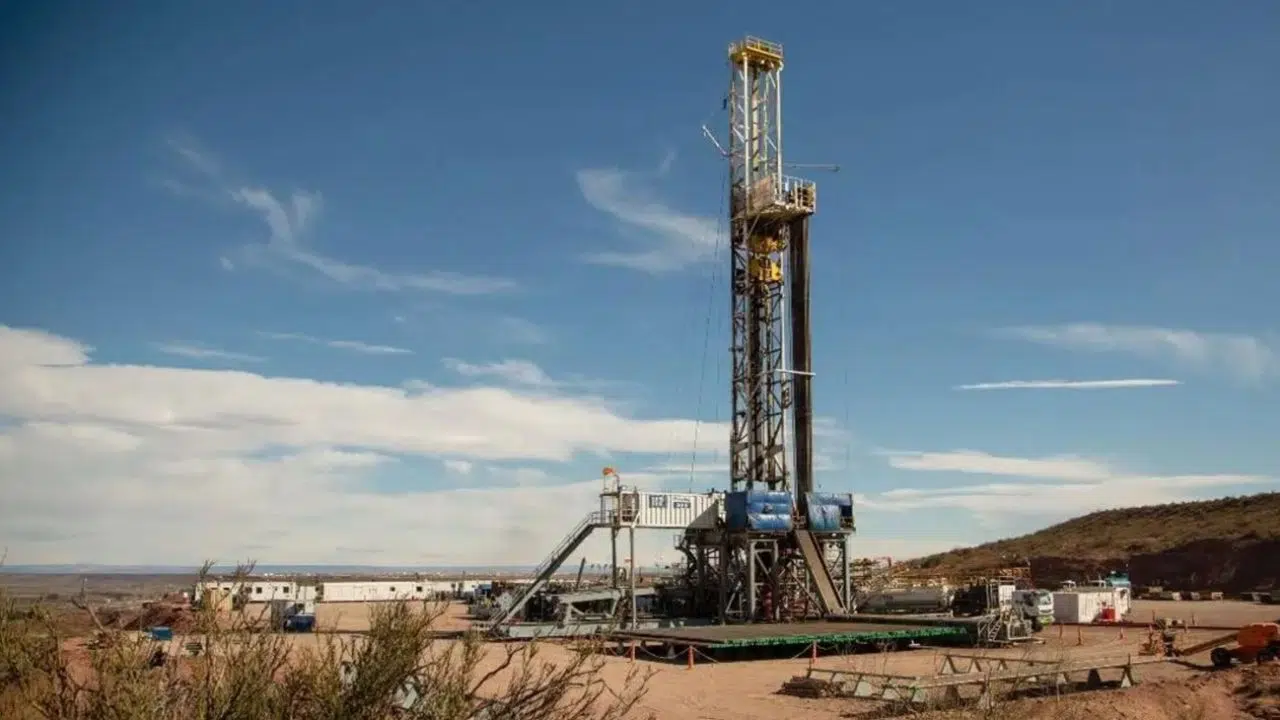
Reactions in the energy sector
Within the industry, the ruling was interpreted as a sign of legal certainty for investments in Vaca Muerta. Business sources highlighted that keeping a case of such magnitude open without technical specifics meant subjecting companies to an indefinite process.
The resolution clears a sensitive judicial front at a time when Vaca Muerta is undergoing a phase of productive expansion and concentrates a large part of the country’s energy investments.
Current context of Vaca Muerta
The Neuquén formation is recording record levels of oil and gas production, establishing itself as an engine of export and foreign exchange generation for Argentina. However, the accelerated growth keeps the debate open on:
- Environmental controls.
- Infrastructure and long-term sustainability.
- Relationship with local communities and territorial demands.
The Court’s ruling closes an emblematic case that for more than 20 years hovered over the main operators of the Neuquén Basin. While it clears uncertainty for investments, it also revives the debate on how to ensure that the energy development of Vaca Muerta is carried out with effective environmental controls and with a sustainability model that considers communities and the territory.



