



The act of chewing gummy substances has accompanied humanity since ancient times. Ancient civilizations used tree resins as a daily gesture of well-being. However, over time, chewing gum ceased to be beneficial.
Over time, the custom evolved into the creation of modern chewing gum, driven by innovators experimenting with natural resins. By the 20th century, individual wrappers and artificial flavors transformed this product into a global phenomenon.
During conflicts like World War II, chewing gum even reached the battlefronts as a small relief amidst chaos. Thus, this simple habit became part of daily life worldwide.
From sweetness to environmental impact
The growth of the industry did not bring only pleasure. The enormous demand drove an intensive production model, based on petroleum and high energy consumption.
The manufacture of synthetic gum increased the sector’s carbon footprint. Along with that, the use of plastic-derived ingredients consolidated a product difficult to manage as waste.
Currently, gum is enjoyed globally, but its ecological impact raises an urgent question: how costly is this daily gesture to the planet?

A small waste, a giant problem: the hidden plastic in every chewing gum
Although few know it, about 95% of modern chewing gums contain polymers similar to those used in tires or packaging. This synthetic base does not biodegrade and can persist for decades in the environment.
Each piece weighs just a few grams, but when multiplied by billions of consumers, the problem escalates. It is estimated that the world generates around 250,000 tons of discarded gum annually.
That sticky waste adheres to floors, urban furniture, and soils, becoming one of the most expensive wastes to remove in cities around the world.
Persistent urban pollution
The gum stuck on streets and buildings remains for years. Its resistance to weathering requires special machinery and chemical agents to remove it, increasing municipal expenses.
Moreover, the massive accumulation deteriorates the urban image, affects environmental health, and contributes to the increase of microplastics in public spaces. Each abandoned gum is another point in the growing global crisis of plastic waste.
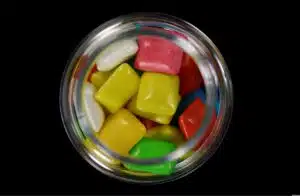
Damage to rivers, seas, and aquatic ecosystems
The waste that begins on the streets often ends up in drains and waterways. There, the components of gum break down into plastic particles that affect fish, birds, and filter organisms.
These substances can alter biological cycles, generate toxicity, and facilitate the entry of microplastics into the food chain. The impact is already beginning to be recorded in various sensitive ecosystems.
Why does gum pollute? The ways it affects the environment
- Persistence of plastic in its composition: The synthetic polymers in gum act as permanent microplastics. They do not degrade naturally and withstand climatic factors for decades.
- Release of toxic particles: When broken, gums can release thousands of microparticles per unit. These travel with the wind, accumulate in soils, and affect water quality.
- Visual and urban pollution: The black stains on the pavement are a symbol of gum’s impact. Its removal demands public resources and invasive cleaning technologies.
- Transport to aquatic environments: Rain carries these wastes to drains and bodies of water. There, the chemicals and plastics present become available to marine and river organisms.
- Contribution to the global waste crisis: Being a massive, cheap, and fast-use product, gum becomes one of the most frequent and persistent urban wastes.
Towards a cleaner future: sustainable alternatives: Natural gums based on plant resins
Options made with latex or natural gum replace synthetic polymers. These biodegradable bases significantly reduce the environmental impact.
Choosing products without artificial flavorings or sweeteners also decreases the chemical load of their manufacture and disposal. Returning to plant-based resins represents a path towards a cleaner and more responsible habit.
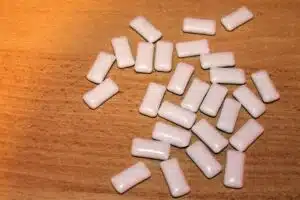
Compostable and plastic-free packaging
Packaging is another critical point. Brands using recycled cardboard, biodegradable paper, or plastic-free packaging contribute to a significant reduction of waste.
Ecological certifications help distinguish products that meet verifiable environmental standards. Choosing sustainable presentations is a simple gesture with lasting effects.
Buying locally made gums reduces the transport footprint. Moreover, companies that guarantee good labor practices and responsible sourcing generate a positive social impact. Opting for transparent brands strengthens production chains more respectful of the environment.
A daily habit that demands awareness
Gum, so common and seemingly harmless, has become a silent pollutant. Its presence in streets, rivers, and seas shows how much individual gestures can influence the health of the planet.
Adopting sustainable alternatives, disposing of correctly, and supporting responsible companies are necessary steps to reduce this global problem. The transition largely depends on consumer willingness.
The small act of chewing can transform into a more conscious choice, capable of alleviating the environmental burden and contributing to a cleaner future.



