



Tartar is one of the most persistent stains in homes. It usually appears in bathrooms, kitchens, and pipes due to the accumulation of minerals present in the water. Over time, this white or grayish substance adheres to surfaces and causes damage to faucets, tiles, or water pipes if not removed in time.
The presence of tartar increases in places where the water is “hard,” that is, with a high concentration of mineral salts such as calcium and magnesium. The effect intensifies when the water circulates at high temperatures, reducing the solubility of minerals and facilitating their encrustation in water heaters, kettles, or pipes.
While there are chemical products to remove it, these are usually expensive, toxic, and unfriendly to the environment. Faced with this, homemade and natural tricks are becoming consolidated as ecological, economic, and safe alternatives for health and the environment. One of the most effective is the use of white vinegar.
This everyday ingredient contains acetic acid, a substance capable of breaking the union of minerals. Just pour vinegar down the drain and let it act overnight. The next day, just open the tap so that the water washes away the residue and removes both the tartar and the residual odor.
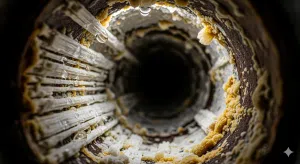 How to remove tartar ecologically.
Why is it important to choose ecological alternatives?
Adopting these practices not only helps maintain pipes and surfaces in good condition but also avoids the use of polluting chemicals that end up in rivers and seas. By choosing natural methods such as vinegar, baking soda, or lemon, you contribute to responsible consumption and the protection of the environment.
Caring for the home and the planet can go hand in hand. Opting for these ecological resources is a way to keep spaces clean, prevent damage to facilities, and at the same time, reduce the environmental footprint of each family.
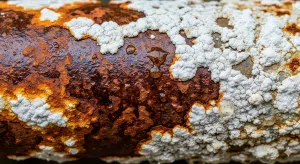 How to remove tartar ecologically.
Other natural tricks to remove tartar
In addition to vinegar, there are other sustainable resources that help clean the home without the need for harsh chemicals. Baking soda, for example, is an excellent ally. Combined with water or vinegar, it forms a paste that can be applied to faucets, tiles, or stained surfaces. After a few minutes, simply scrub and rinse to achieve a renewed shine.
Lemon juice is another powerful option. Thanks to its natural acidity, it breaks down mineral deposits and, at the same time, leaves a fresh aroma. Its use is ideal for visible stains in kitchens and bathrooms, especially on metal surfaces where it also provides a polishing effect.
Pumice stone can also be used in ecological cleaning. With a little water, it allows you to scrub toilets or areas with stubborn build-ups without damaging the material. Although it requires more physical effort than liquids, it is very effective on persistent stains.



