



In Mexico City, particularly in Xochimilco, an ecological technique is being applied that reuses human hair collected from hair salons, barbershops, and community campaigns to absorb water pollutants and clean canals.
The project aims to reduce solid waste and improve the quality of the local ecosystem, turning an everyday waste into an environmental resource.
How the technique for cleaning canals works
Hair has physical properties that make it highly absorbent of substances such as oils, hydrocarbons, fats, and heavy metals. In Xochimilco, the donated locks are placed in nets or barriers that remain submerged for weeks or months.
- Once loaded with pollutants, the hair can be recycled again or processed as compost to enrich agricultural soil.
- Additionally, it helps to retain moisture in the soil, reducing the need for irrigation in traditional crops like chinampas.
Environmental and community benefits
The initiative addresses two problems simultaneously:
- Reduction of solid waste, by preventing hair from ending up in landfills.
- Improvement of water bodies’ health, by reducing pollutants in canals and lakes.
This approach aligns with strategies of natural decontamination and organic waste management already applied in Mexico, complementing cleaning actions carried out by environmental organizations and local authorities.
Citizen participation
The raw material comes from voluntary donations and community campaigns. Environmental groups like Matter of Trust collaborate with civil society to organize the collection and application of hair in the canals.
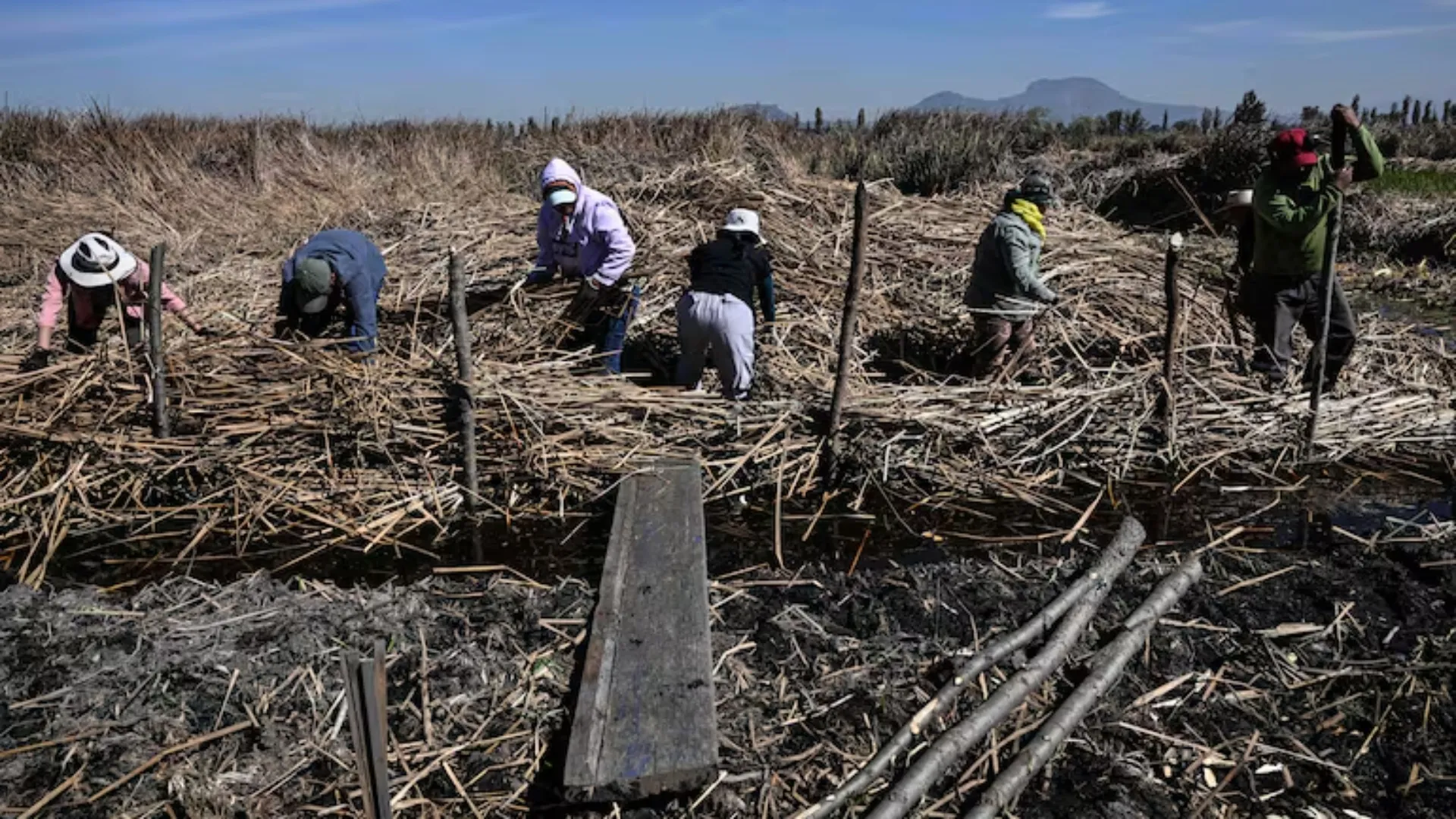
- Volunteers and local farmers participate in placing the nets and supervising their operation.
- This participation strengthens environmental awareness and education on sustainable practices.
Impact on agriculture and the ecosystem
Human hair not only absorbs water pollutants but can also become a soil amendment:
- Processed as compost, it provides nutrients and organic matter that improve soil structure.
- It promotes moisture retention, useful in Xochimilco’s agricultural soils.
- It helps reduce the presence of harmful bacteria and damaging chemicals, improving the productivity of local crops and the ecological health of traditional ecosystems.
The reuse of human hair in Xochimilco is an example of how environmental innovation can transform waste into sustainable solutions. This project not only combats water pollution but also strengthens traditional agriculture and fosters community participation, becoming a replicable model for other regions with similar problems.


