



After the recorded rainfall in the area affected by the fire, Los Alerces National Park is moving towards normalization. Efforts are focused on Route 71 and tourist access points.
Although the fire cannot be declared contained, the accumulation of rain has strengthened the fight. Consequently, strategies and resources have been adjusted in critical sectors.
Starting this Saturday, February 14, the section between Portada Norte and Portada Centro will be opened. However, it is recommended to drive at 40 km/h and not stop at viewpoints.
The reopening marks the beginning of “Proyección Alerces 2026”. The initiative seeks a comprehensive recovery of the World Heritage Site.
Joint operation and environmental restoration
More than 130 people are working in the North and Center areas of the Park. The operation involves the National Parks Administration and the Federal Emergency Agency.
Additionally, the Government of the Province of Chubut is involved with more than 100 agents. Thus, resources and jurisdictions are coordinated in response to a complex emergency.
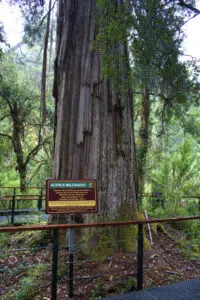
The rains particularly benefited the Millennial Alerzal. This sector began to recover moisture levels after critical weeks. There stands the Grandfather Alerce, a specimen over 2,600 years old. It is part of the Valdivian Forest, a high humidity ecosystem.
The Park protects the largest Argentine area of this environment. In its forests coexist coligüe cane, arrayán, coihue, and ancient alerces.
A World Heritage Site in the process of resilience
The area was distinguished by UNESCO as a World Heritage Site. This category reinforces the responsibility of its conservation.
The fire affected sensitive sectors, although the natural resilience is remarkable. Therefore, the new stage aims at ecological restoration and planning.
The proposal calls for residents, tourism providers, and neighboring communities. It also promotes a coordinated management with the province.
The recovery not only involves extinguishing the fire. It also requires restoring habitats and strengthening future prevention.

How to combine tourism and environmental care?
The tourist reopening demands strict sustainability criteria. Controlled traffic and clear information are initial measures.
Additionally, it is necessary to limit access in areas under restoration. This prevents soil compaction and disturbances to fauna. Providers can adopt low-impact practices. For example, responsible waste management and efficient water use.
Moreover, environmental education for visitors is key. Understanding the fragility of the ecosystem fosters responsible behavior. Well-managed tourism can finance conservation. Consequently, it becomes an ally of restoration.
Proyección Alerces 2026 seeks that balance. The millennial resilience of the forest inspires a recovery based on cooperation and environmental respect.



