



Mexico announced an ambitious plan to restore 32 Protected Natural Areas (PNA) by planting 300 million plants in 2026, with the support of farmers from the Sembrando Vida program.
The initiative aims to recover degraded soils, promote water infiltration, generate oxygen, and rebuild essential habitats for wildlife.
Interinstitutional Agreement
The Undersecretariat of Productive Inclusion and Rural Development of the Ministry of Welfare signed an agreement with the National Commission of Protected Natural Areas (Conanp). The agreement establishes joint actions for restoration, conservation, and agroecological production, impacting:
- 32 Protected Natural Areas.
- 24 states and more than 600 municipalities.
- 509 agrarian nuclei.
- 21 types of ecosystems.
- 60 Areas Voluntarily Designated for Conservation.
Diversity of Species and Community Nurseries
The strategy includes the planting of:
- 199 native species.
- 31 endemic species.
- 16 species included in NOM-059-SEMARNAT-2010 (list of endangered species).
The work will be carried out with the support of 18,505 community nurseries, which will provide plants adapted to each region. These nurseries not only produce specimens but also strengthen the local economy and promote agroecological practices.
Biocultural Corridors in Yucatan
In the Yucatan Peninsula, 1,390 hectares are expected to be restored through biocultural corridors based on traditional Mayan systems known as Tolchés. The goal is to promote connectivity between Calakmul and Sian Ka’an, benefiting 43 localities in Campeche and Quintana Roo, half of which are Mayan communities.
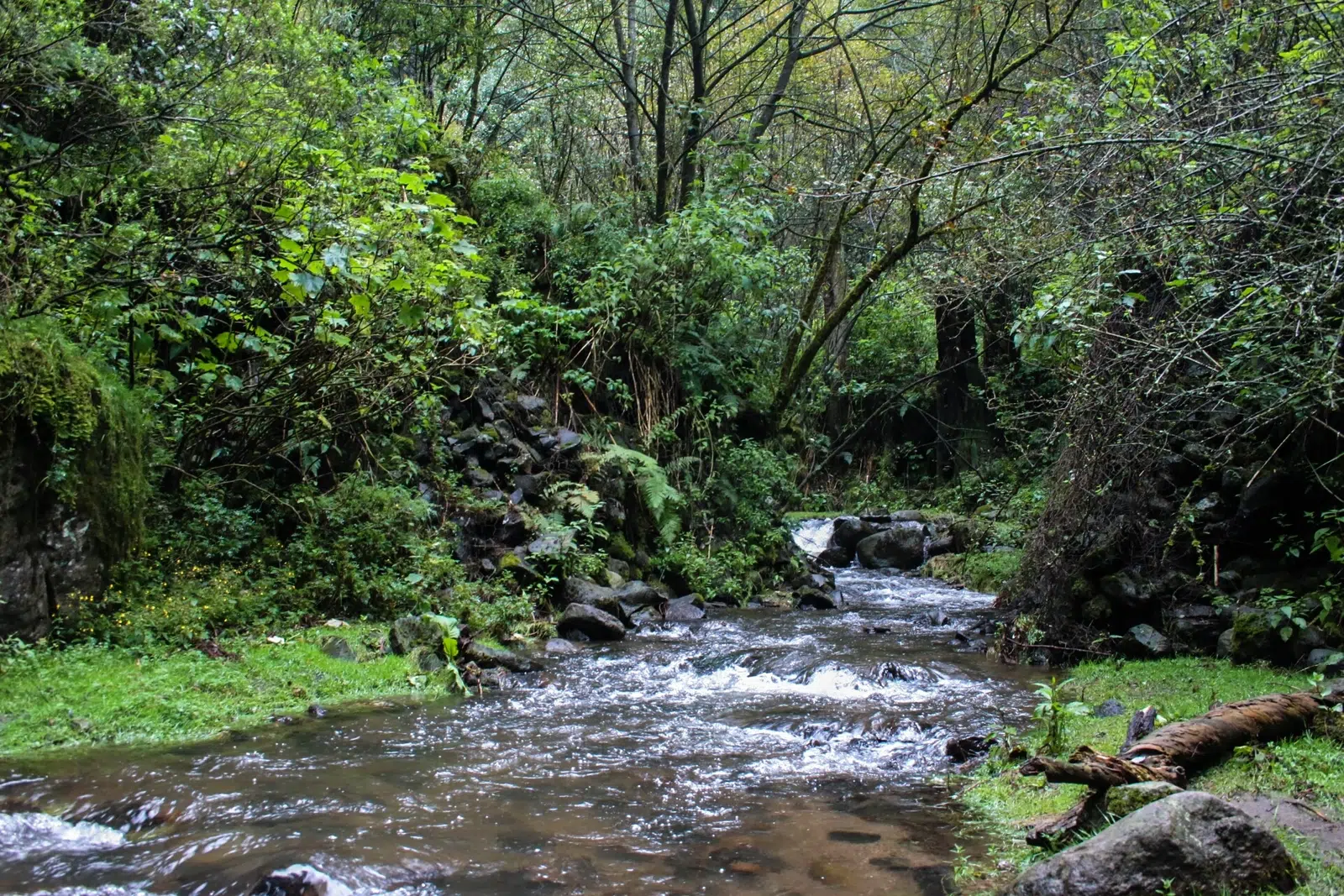
Deforestation Context
According to data from Conafor, between 2001 and 2023, Mexico lost 4.6 million hectares of forest, of which Quintana Roo, Yucatan, and Campeche account for 25%.
This plan seeks to reverse that trend and recover part of the deforested territory, integrating conservation with rural development.
Benefits for Wildlife
The restoration will favor the conservation of routes and habitats of emblematic species such as:
- Jaguar.
- Cinnamon hummingbird.
- American white pelican.
- Painted bunting.
- Swallow-tailed kite.
- Black hawk-eagle.
- Mantled howler monkey.
- Pátzcuaro axolotl.
- Tree frog.
- Flat-tailed snake.
An Integral Effort
The Sembrando Vida program aims for productive activities to be carried out in compliance with PNA regulations, promoting agroecological transition, the conservation of biocultural landscapes, and the strengthening of rural livelihoods. Undersecretary Columba Jazmín López Gutiérrez emphasized that training and technical advice will be key for planters to meet the guidelines and contribute to better nature conservation.
The restoration project of 32 PNA in Mexico represents a comprehensive commitment to biodiversity, culture, and climate resilience. By combining science, tradition, and community participation, it seeks not only to recover degraded ecosystems but also to strengthen rural livelihoods and ensure ecological connectivity in key regions of the country.



