



The Mississippi Valley, considered the agricultural heart of the United States due to its wetlands, is also a scene where the impacts of the intensive food production model are reflected.
Each rain drags thousands of tons of nitrogen and phosphorus from synthetic fertilizers into streams, lakes, and aquifers. The result is well-known: eutrophication, proliferation of toxic algae, fish deaths, and risks to human health.
This phenomenon is not exclusive to North America. In Europe, the Ebro basin and the Mar Menor have suffered similar episodes, while in Latin America, the expansion of soy and intensive corn has generated comparable impacts in basins like the Paraná.
Wetland Restoration: Concrete Results
A recent study shows that the restored wetlands in the Mississippi not only work, but they work better the more contaminated the water is.
- In just three years of restoration, the wetlands managed to reduce ammonia levels by 62%.
- The total Kjeldahl nitrogen decreased by 37%.
- All this with the transformation of just 0.22% of the territory.
The most notable thing is that the wetlands do not accumulate nitrogen, but rather transform it into nitrogen gas (N₂), safely released into the atmosphere, closing the cycle without generating waste.
Economic Impact: Savings in Water Treatment
Treatment plants invest millions each year to remove nitrogen and ensure potable water. Wetlands, by fulfilling part of that function, generate an immediate and tangible saving:
- Restoring 40 hectares in a small basin can save up to 17,000 euros annually.
- On a regional scale, the savings amount to 200 million euros per year.
This case is an example of green infrastructure, nature-based solutions that offer services equivalent to technical facilities, but with less cost, less maintenance, and more environmental benefits.
Legal Risks and Loss of Protection
The potential of the wetlands is at risk. A recent ruling by the United States Supreme Court limits legal protection only to wetlands connected to navigable waters.
In states like Illinois, up to 72% of the wetlands would be left out of that protection, opening the door to their urbanization, drainage, or agricultural conversion. Paradoxically, many of these isolated wetlands are the most effective in reducing nitrogen.
Researchers propose rethinking environmental legislation, incorporating criteria of ecological functionality and not just geographical location. Science supports it: a wetland does not need to be next to a river to be useful.
The Mississippi Valley: Productivity and Imbalance
The Mississippi Valley stretches from Minnesota to Louisiana, covering more than 3.2 million km². It is one of the most fertile agricultural areas on the planet, where corn, soy, wheat, and cotton are grown.
However, this productivity has a high environmental cost: intensive use of fertilizers and pesticides, contamination of rivers and aquifers, loss of wetlands, and soil erosion. Restoring these ecosystems not only cleans the water but also recovers the lost balance between production and nature.
Wetlands: Key Ecosystems for Life
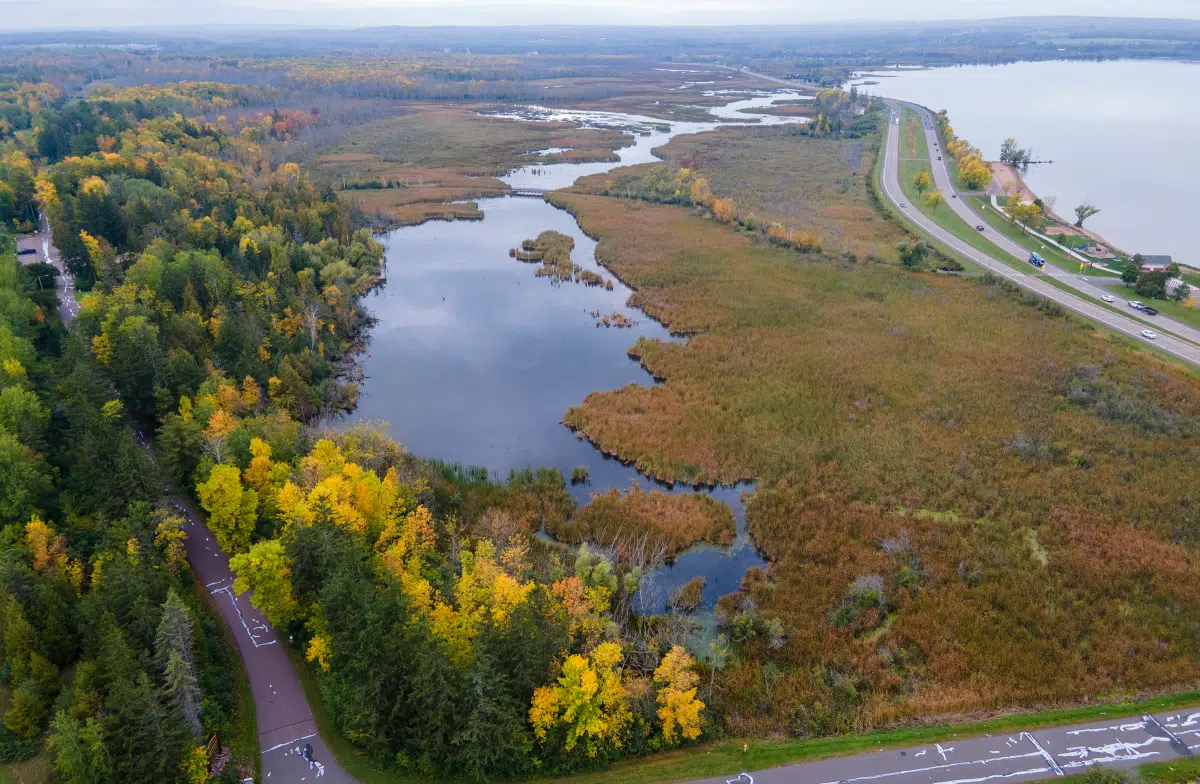
Wetlands are ecosystems where water is present permanently or temporarily, creating unique conditions for life. They can be swamps, marshes, mangroves, peatlands, deltas, or coastal lagoons.
Their ecological functions are essential:
- They filter pollutants.
- They store carbon.
- They recharge aquifers.
- They serve as a refuge for thousands of species of birds, fish, and insects.
- They control floods and stabilize soils.
The study on the Mississippi wetlands confirms that nature offers effective and economical solutions to the water crisis. Restoring them not only reduces nitrogen pollution and saves millions in treatment but also strengthens ecological and climate resilience.
The key is to legally protect them and expand their restoration, recognizing that they are strategic allies to face the environmental crisis and ensure access to clean water for human communities.


