



Norway often stands out as one of the most environmentally committed countries. In its cities, the use of bicycles is commonplace and electric mobility dominates the automotive market.
Additionally, 98% of its electricity comes from renewable sources. This fact positions the country as a global leader in clean energy generation.
Moreover, nine out of ten new cars sold in 2024 were electric. This change reflects a sustained policy of incentives and environmental planning.
The foundations of its energy transition
The path towards a sustainable model began decades ago. In 1991, Norway implemented a carbon tax that drove the reduction of emissions.
Subsequently, in 2005, the country promoted the use of electric vehicles through tax benefits. This consolidated a profound transformation in transportation.
Furthermore, in 2017 the Climate Act was approved. This regulation set concrete emission reduction targets, strengthening the energy transition.
Why Norway is considered a “green country”
One of the key factors is its energy matrix based on hydroelectric power. This allows supplying most of the domestic consumption with low emissions.
Additionally, the country prioritizes electrification in multiple sectors. From transportation to industry, electricity progressively replaces fossil fuels.
In turn, public policies promote sustainable habits. The use of clean transportation and energy efficiency are part of everyday life.
The paradox of fossil fuels
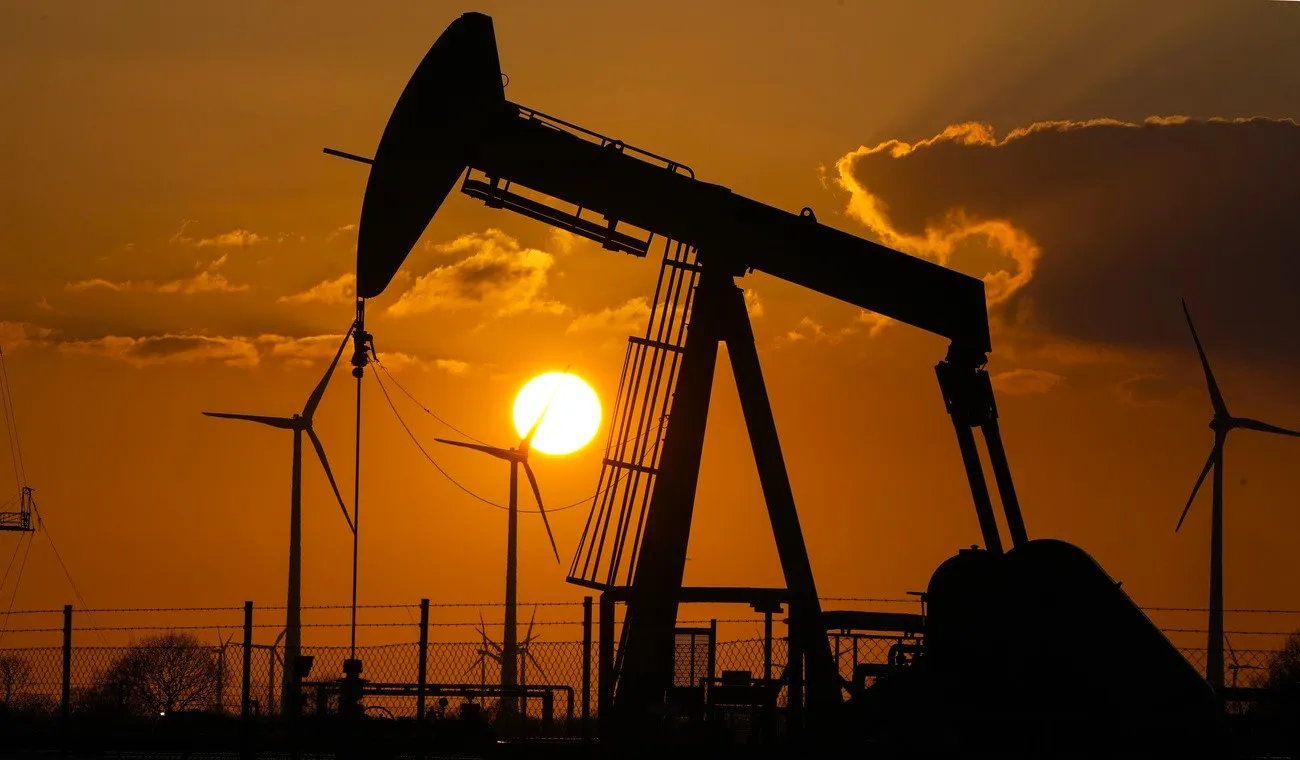
However, this environmental leadership coexists with a strong economic dependence on oil and gas. These exports represent a central part of its income.
In fact, the energy sector exceeds 60% of the country’s exports. It also constitutes more than 20% of its Gross Domestic Product.
As a result, Norway supplies a significant part of European energy consumption. This generates a debate about its role in the global climate crisis.
An international context that intensifies the debate
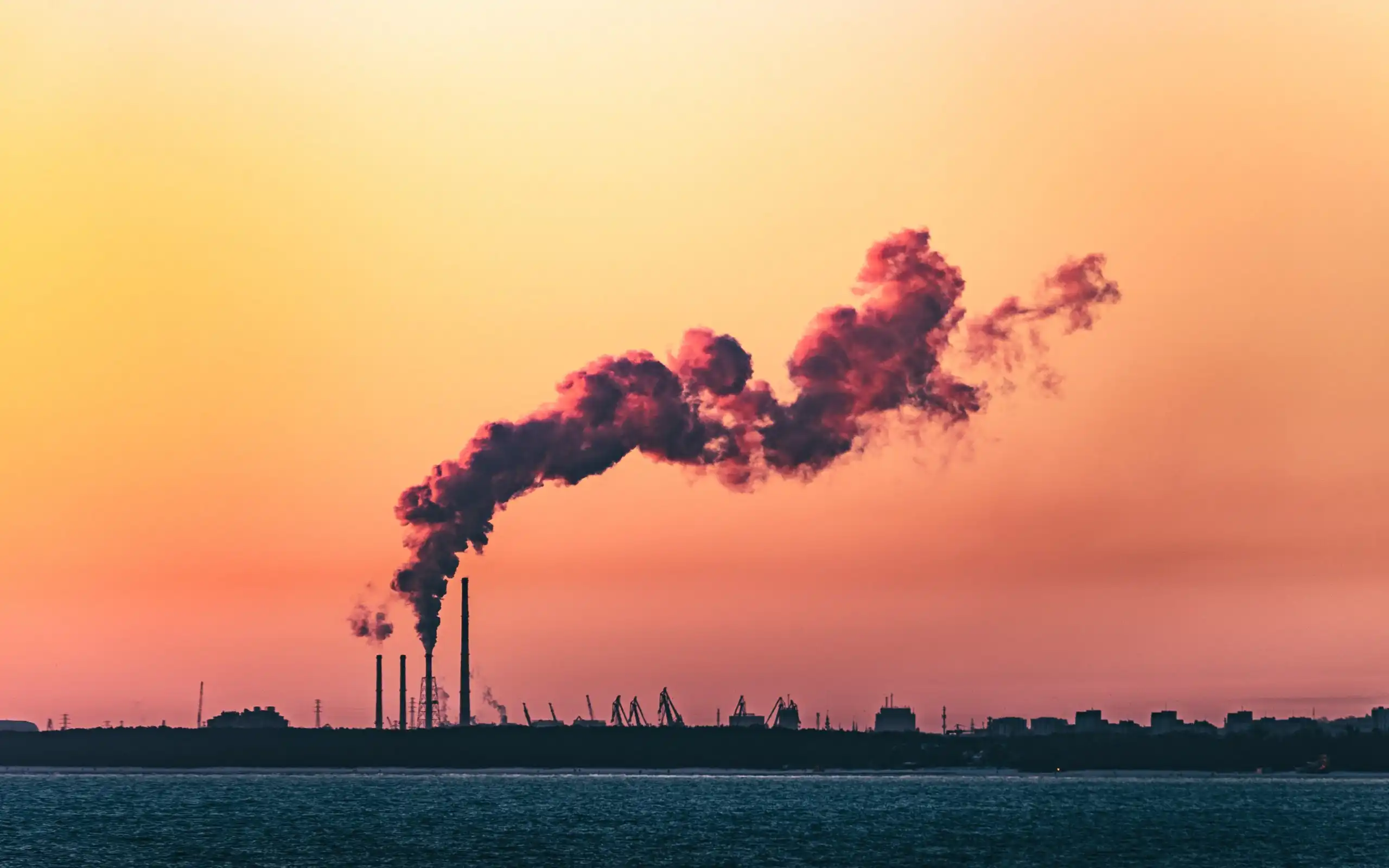
Tensions in regions like the Strait of Hormuz have increased energy prices. This has led to higher revenues for the Nordic country.
Likewise, conflicts such as the war in Ukraine have reinforced its position as a key gas supplier in Europe. This has consolidated its strategic importance.
Nonetheless, this situation has revived internal questioning. Environmental sectors warn about the contradiction between discourse and practice.
The future between sustainability and dependence
The government continues to push for new exploration licenses, even in sensitive areas like the Arctic. This raises concerns about its environmental impact.
On the other hand, the energy sector supports thousands of jobs. This reality conditions any rapid transition to a fossil-free model.
Finally, Norway faces a complex challenge. Maintaining its environmental leadership while reducing its dependence on hydrocarbons will be key to its future.



