



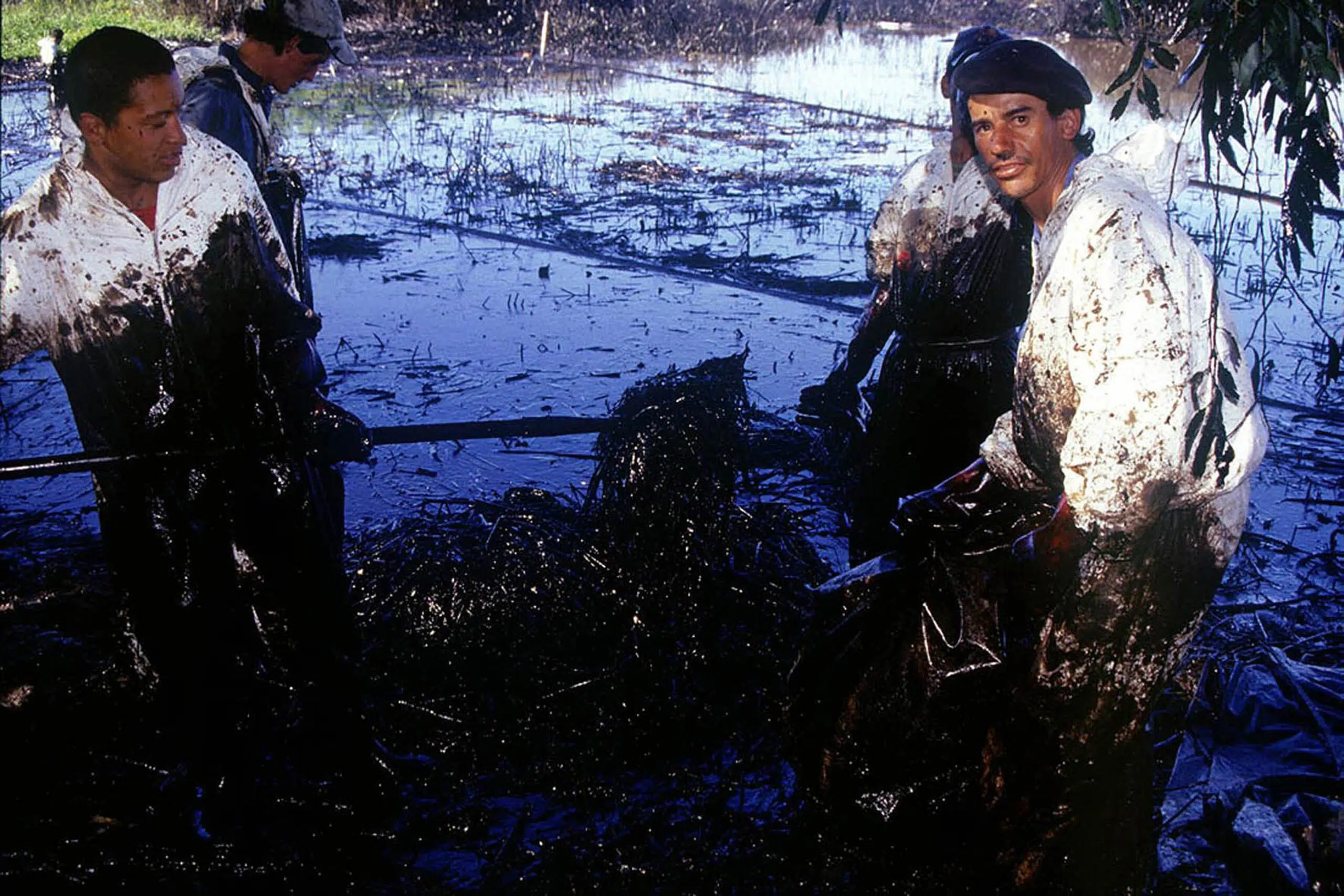
On January 15, 1999, the vessel Sea Paraná (German flag) collided with the tanker Estrella Pampeana of Shell (Liberian flag) in the Río de la Plata, causing the spill of more than 5 million liters of hydrocarbons. It was the largest oil spill in freshwater in world history, with unprecedented environmental consequences for Argentina.
The 2009 Agreement
Ten years later, in 2009, the Municipality of Magdalena and Shell signed an agreement that reduced the environmental remediation from 90 million dollars to 9.5 million. The then-mayor Fernando Carballo promoted a non-binding plebiscite, in which 77% voted Yes, and the Deliberative Council approved ordinances endorsing the agreement.
The agreement also included projects for tourism development, an industrial park, and a household solid waste treatment plant.
The 2025 Judicial Ruling
The Civil and Commercial Federal Court No. 3 of Capital Federal, under Judge Juan Rafael Stinco, rejected the agreement on December 30, 2025 (published after the January judicial recess). The ruling stated that:
- Environmental rights are of public order and cannot be subject to private negotiation.
- The agreed amount was arbitrary and without technical support.
- There were no identified parameters, environmental studies, or objective criteria justifying the reduction to USD 9.5 million.
Stinco emphasized that the will of the parties cannot be placed above Article 41 of the National Constitution or the General Environmental Law.
Judicial Background
- In 2002, the federal judge of La Plata Julio César Miralles ordered Shell to restore the environment for USD 35 million.
- After appeals, in 2007 the Supreme Court transferred the case to a federal court in Capital Federal.
- During the conflict, there was even an attempt to involve Máxima Zorreguieta, then Argentine-Dutch princess, to support Magdalena.
Political and Social Impact
The 2009 agreement was driven by Carballo, who later became a Buenos Aires senator and part of the Frente Renovador. The plebiscite and municipal ordinances had legitimized the agreement, but the 2025 ruling nullified it, reaffirming that environmental protection cannot be subordinated to local economic or political interests.
The rejection of the agreement between Shell and the Municipality of Magdalena sets a key precedent in Argentine environmental jurisprudence. The decision reaffirms that environmental damage must be assessed with technical and scientific criteria, and that remediation cannot be subject to negotiations that reduce its scope. The case remains a symbol of the challenges between economic development, corporate responsibility, and environmental defense.



