



In the context of the discussion on possible modifications to the National Glacier Law 26.639, the organizations Aves Argentinas, Fundación Vida Silvestre Argentina, WCS Argentina, and Fundación Humedales/Wetlands International presented the technical report “The importance of glaciers for Argentine biodiversity and the potential risks of their lack of protection”.
The document warns about the ecological, water, and climatic impacts that would result from weakening the protection of glaciers and the periglacial environment.
Glaciers: natural water tanks
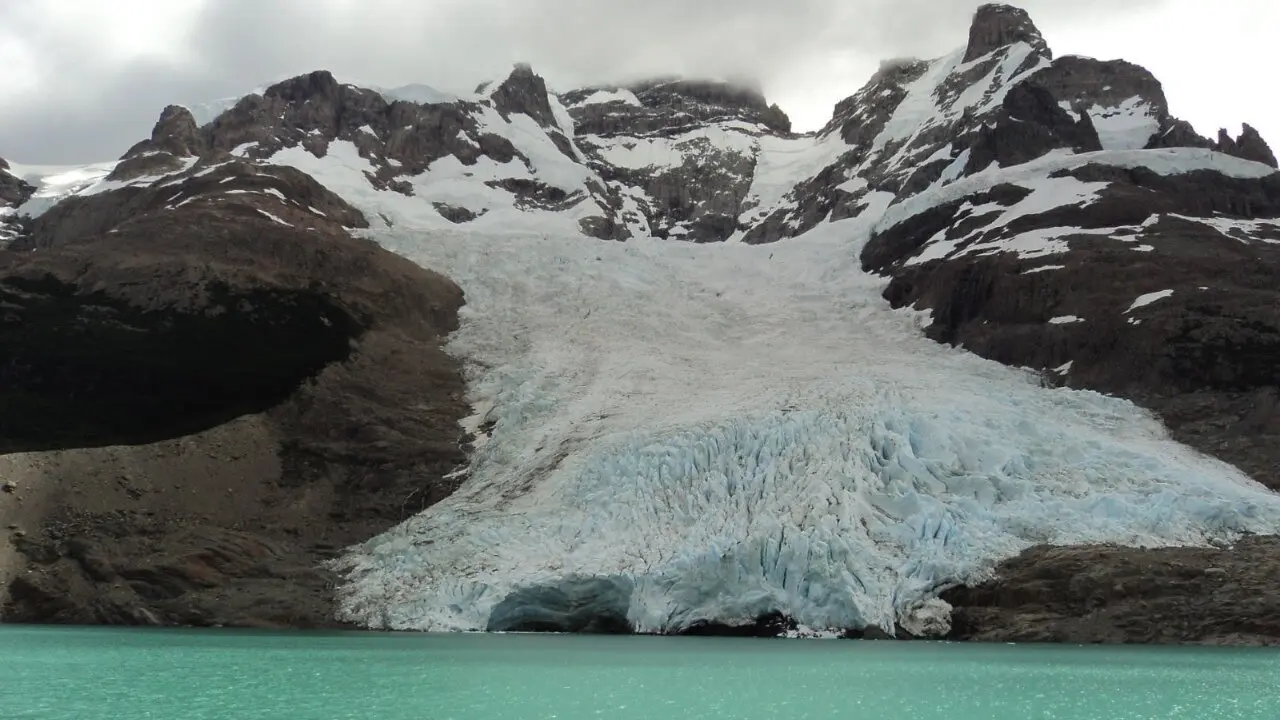
Glaciers play a strategic role as water reservoirs: they store ice and release it gradually, especially during drought periods.
- 36% of Argentina’s continental surface is within basins fed by glacial melt, covering 20 provinces and more than 7.5 million inhabitants.
- The National Glacier Inventory identified 16,968 glacier bodies, with an estimated surface area of 8,484 km² distributed across twelve provinces.
- Although they cover less than 0.25% of the national territory, their water contribution sustains ecosystems and communities hundreds of kilometers away.
Biodiversity dependent on meltwater
The report warns that 56% of the species evaluated in Argentina inhabit regions fed by glacial water. The dependency is even greater in:
- Mammals: 86%.
- Reptiles: 78%.
- Amphibians: 69%.
In these areas, the majority of threatened species are concentrated:
- 83% of amphibians.
- 70% of mammals.
- 56% of reptiles.
- 53% of vulnerable or endangered freshwater fish according to the IUCN.
Iconic species at risk
Among the most affected animals are:
- The huemul (Hippocamelus bisulcus), with only 400-500 specimens in Argentina.
- The short-tailed chinchilla (Chinchilla chinchilla), critically endangered.
- Birds like the hooded grebe (Podiceps gallardoi) and the diademed sandpiper-plover (Phegornis mitchellii), both critically endangered.
- Other species dependent on wetlands and mountain rivers: the water ouzel, the torrent duck, and the Andean flamingos.
Protected areas and climate change
35% of the country’s protected areas are within glacier-fed watersheds. However, climate change is already showing alarming effects:
- In northwestern Argentina, a 17% reduction in glaciers over ten years was recorded.
- Perennial snow patches contracted by 23% in the same period.
Mining and energy transition
The report acknowledges that minerals are central to the energy transition but emphasizes that environmental responsibility is non-negotiable. Mining can be developed without affecting glaciers or strategic water reserves. The National Glacier Inventory provides precise information to delineate sensitive areas and strengthen monitoring.
The organizations conclude that protecting glaciers and the periglacial environment constitutes a nature-based solution to ensure water supply, sustain biodiversity, and reduce long-term environmental risks.
Any modification to the Glacier Law must be evaluated considering the cumulative and future impacts on ecosystems.



