



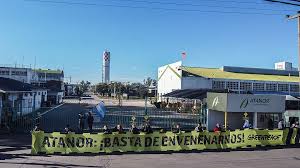
The closing of the Atanor plant in San Nicolás revealed a serious environmental panorama. The company, dedicated to the production of agrochemicals, was accused of dumping hazardous industrial waste into the Paraná River. Among the substances found are banned pesticides, phenols, and heavy metals that threaten public health and the riparian ecosystems.
Official evidence that led to the closure confirmed the presence of glyphosate, atrazine, chlorpyrifos, arsenic, lead, and chromium. These toxic residues were discharged through a channel approved only for sewage effluents, which constitutes a direct violation of the National Hazardous Waste Law. The accumulated pollution over the years is now causing a crisis that demands immediate action.
The Professional Council of Chemistry of the Province of Buenos Aires (CPQ-PBA) warned of the need to implement an urgent environmental remediation plan. Additionally, they demanded rigorous controls by specialized personnel and the effective application of legal sanctions to the responsible company.
This case reinforces the call for the chemical industry to operate responsibly, transparently, and subject to periodic inspections, especially when their activities compromise the health of entire communities.
The toxic legacy and future risks
The closure did not imply the complete withdrawal of the company from the site. Atanor announced its intention to maintain a logistics center for hazardous products there, triggering new concerns among residents and professionals. The precedent of an explosion in March 2024, whose causes were not clarified, continues to raise doubts about the actual controls at the plant.
The relocation of operations to the city of Río Tercero in Córdoba also generates uncertainty. Without clear guarantees that the company will change its practices, the question arises: how to prevent history from repeating itself? The CPQ-PBA questioned whether there were regular inspections, whether protocols were followed, and whether there was supervision by registered technical staff.
Beyond the closure, the Atanor case highlights a concerning pattern: the impunity with which some industries handle dangerous and polluting substances, without strict controls or long-term environmental responsibility.
In this context, the community demands not only exemplary punishments but also public policies that strengthen monitoring systems, promote sustainable alternatives, and ensure environmental justice.
Atanor and the impact on San Nicolás
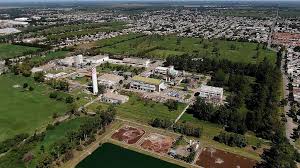
The Atanor plant operated for years in San Nicolás, in the province of Buenos Aires, and was repeatedly pointed out by social organizations and residents as a source of contamination. The recent preventive closure came after a new episode of illegal dumping was discovered, but the damage was already done.
The toxic waste present in the environment can have serious consequences: respiratory diseases, skin conditions, neurological disorders, and water contamination that supplies the population. The river’s ecosystem also suffers alterations that are hard to reverse.
Faced with this situation, the demand for environmental remediation is not an option but a necessity. It requires sustained actions, state investment, technical monitoring, and corporate commitment to the environment and the community.


