



Mount Everest, the highest peak in the world, is usually covered in snow. However, in the lower areas of the Himalayan range, snowfall has alarmingly decreased in recent years. Images of snow-capped mountains have become scarcer, and experts are already talking about a “snow drought”, with potentially serious consequences for the region.
Recent Data
- Between 1980 and 2020, snowfall was relatively constant, but in the last five years, it has drastically reduced.
- In the northwestern Himalayas, snowfall decreased by 25% compared to levels four decades ago.
- The winter of 2024-25 recorded the lowest snow persistence in 23 years, 24% below normal.
- In December, the India Meteorological Department reported no rain or snow precipitation across the northern part of the country.
Although episodes of heavy snowfall have been recorded, specialists consider them extreme and isolated events, unable to reverse the general trend.
Impacts on the Region
The lack of snow affects not only the appearance of the Himalayas but also the lives of millions of people and ecosystems:
- Freshwater: the Himalayas hold the largest reserves outside the poles. Winter snow feeds rivers that provide water for irrigation, human consumption, and hydroelectric power.
- Drought and fire risk: less precipitation means greater aridity, increasing the frequency of forest fires.
- Geological stability: snow acts as a “cement” in cold conditions. Its absence increases the risk of rockfalls and landslides.
- Retreating glaciers: accelerated glacier melting, combined with the lack of snow, poses a double challenge for the region.
A Phenomenon Linked to Climate Change
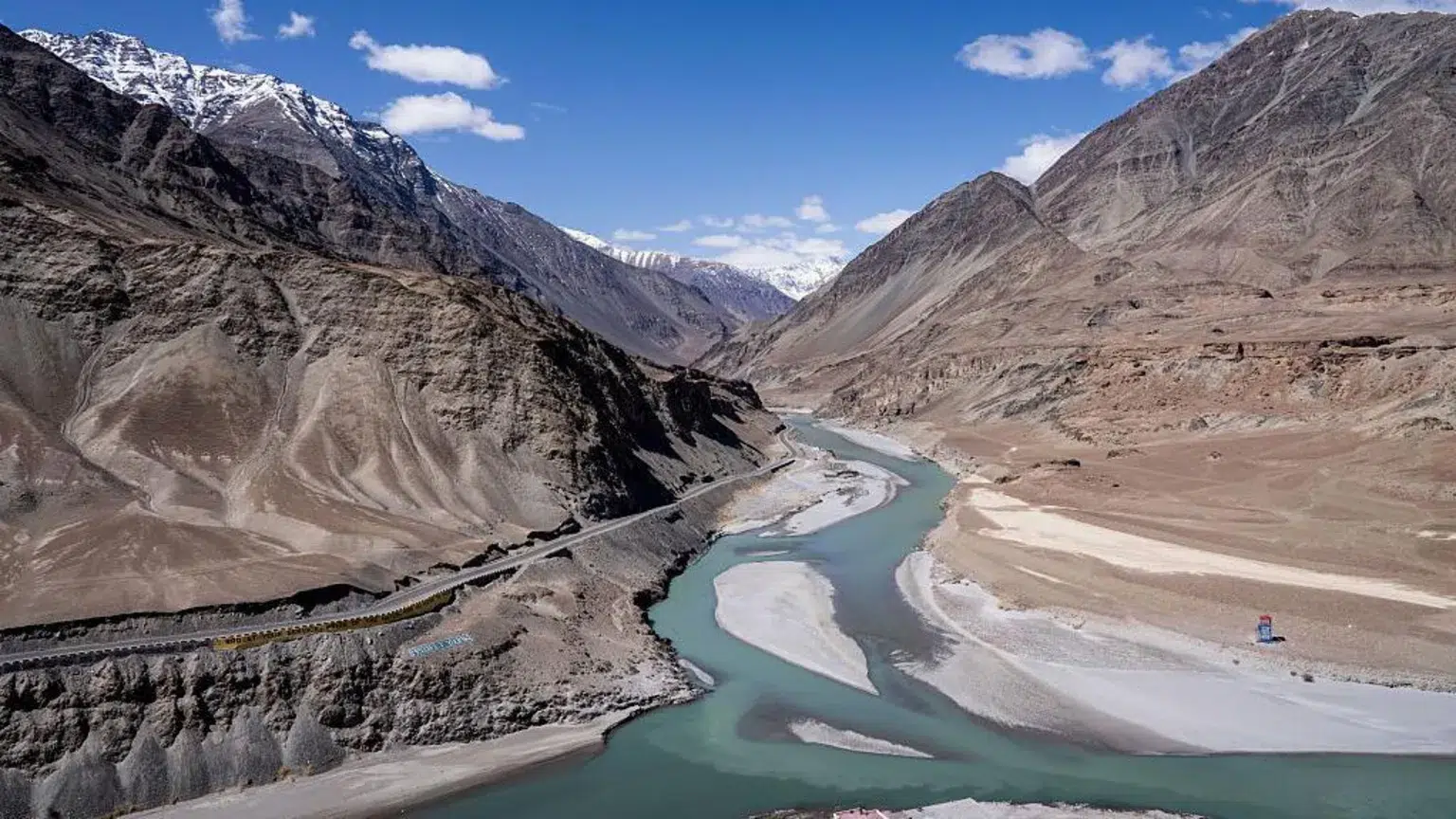
Climate change is already affecting the range. Meteorologists observe that winters are becoming increasingly dry, leaving rocky and bare mountains.
Although scientists have not yet definitively identified the cause of this low precipitation, evidence points to an altered climate pattern that threatens the region’s stability.
The snow drought in the Himalayas is a warning sign: reduced precipitation and lower snow persistence endanger water supply, mountain stability, and the lives of millions of people.
If the trend continues, the Himalayas might never look the same again, transforming into a visible symbol of the effects of global climate change.



