



The discussion about pesticides once again generated tension in the European Union after the bloc shelved the proposal that sought to reduce the use of agrochemicals by 50% by 2030. The measure had emerged in response to the growing environmental deterioration and social concern about the presence of chemical residues in food, rivers, and ecosystems.
In recent years, millions of European citizens have demanded stricter policies to reduce the impact of these substances on biodiversity. However, the new political scenario shifted priorities and moved the focus towards reducing regulatory burdens for the productive sector.
Despite the climate commitments assumed by the European Union, various specialists warn that the increase in pesticide sales during 2024 shows a setback in the environmental strategies previously promoted.
The growth of sales and the risks to ecosystems
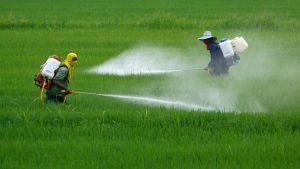
The latest data shows that Spain, France, Italy, Germany, and Poland accounted for more than 70% of total pesticide sales in Europe. Additionally, several countries recorded an increase compared to previous years, especially in products considered highly dangerous to health and the environment.
Among the most questioned substances is glyphosate, linked for years to possible negative effects on aquatic ecosystems and biodiversity. Although some countries managed to partially reduce their sales, others significantly increased their use.
On the other hand, environmental research has detected pesticide residues in numerous European rivers above established safety limits. This situation especially affects fish, amphibians, pollinating insects, and birds, species essential for maintaining ecological balance.
Furthermore, international organizations have warned that chemical contamination in groundwater and agricultural soils can alter entire food chains, affecting both rural ecosystems and human communities that depend on them.
Political pressure and the change of course in Brussels
The attempt to approve a mandatory reduction of pesticides had gained momentum in 2023, when the European Parliament debated a more ambitious environmental regulation. However, the initiative was ultimately rejected after strong disagreements between political and productive sectors.
While some groups demanded greater controls to protect public health and pollinators, others considered that the restrictions could affect agricultural competitiveness and increase production costs.
Currently, the European Commission is promoting a different strategy based on easing administrative procedures and facilitating the approval of certain phytosanitary products. This stance generates concern among environmental organizations that consider voluntary measures insufficient.
Additionally, specialists argue that keeping dangerous pesticides in circulation for longer could deepen environmental degradation in various agricultural regions of the continent.

The environmental benefits of reducing pesticide use
Reducing the use of pesticides represents a key tool for recovering biodiversity and strengthening the health of ecosystems. The reduction of agrochemicals favors the survival of bees, butterflies, and other pollinators essential for food production.
Moreover, limiting these substances improves water quality and reduces contamination of rivers, lagoons, and underground aquifers. This also benefits rural communities that directly depend on these natural resources.
On the other hand, sustainable agricultural practices help preserve soil fertility and strengthen crop resilience against climate change. Techniques such as biological pest management, crop rotation, and agroecology are increasingly seen as viable alternatives to reduce environmental impact without compromising food production.



