



The Himalayas, known for their snow-capped peaks and imposing glaciers, are experiencing a change that worries scientists: the alpine vegetation is rising to altitudes where there was previously only rock and snow.
Although at first glance it might seem positive, this process disrupts the ecological balance and directly affects the water supply of hundreds of millions of people in Asia.
The Scientific Study
Researchers from the University of Exeter (United Kingdom), along with colleagues from Nepal and Switzerland, analyzed six regions of the mountain range between 1999 and 2022. The results, published in the journal Ecography, show that the vegetation line is moving upwards in all the studied areas:
- Khumbu (Everest, Nepal): advancement of 1.42 meters per year.
- Manthang (Nepal): advancement of almost 7 meters per year, the fastest.
- Bhutan and Ladakh (India): similar trends of greening and browning.
This phenomenon is linked to the retreat of the snow cover and the increase in temperatures, which make previously forbidden terrains habitable for plants.
Ecological Consequences
Professor Karen Anderson warns that the impact of these plants is often underestimated. The alpine vegetation:
- Retains snow and modifies water storage.
- Alters the hydrological cycle of the region.
- Changes the nutrient dynamics in high mountain soils.
What seems like a simple landscape change is, in reality, an intervention in Asia’s natural plumbing.
Relevance for Water Supply
The Himalayan basins feed vital rivers such as the Ganges, Indus, and Brahmaputra, on which millions of people in India, Pakistan, Bangladesh, China, and Nepal depend.
The rise of vegetation can alter the way water accumulates and flows, generating direct consequences downstream.
Factors Driving the Change
- Accelerated warming: the Himalayas are warming faster than the global average.
- Reduction of snow: less snow cover facilitates plant colonization.
- Longer growing seasons: allow plants to thrive at higher altitudes.
- Greater availability of nutrients: enriched soils favor expansion.
A Landscape in Transformation
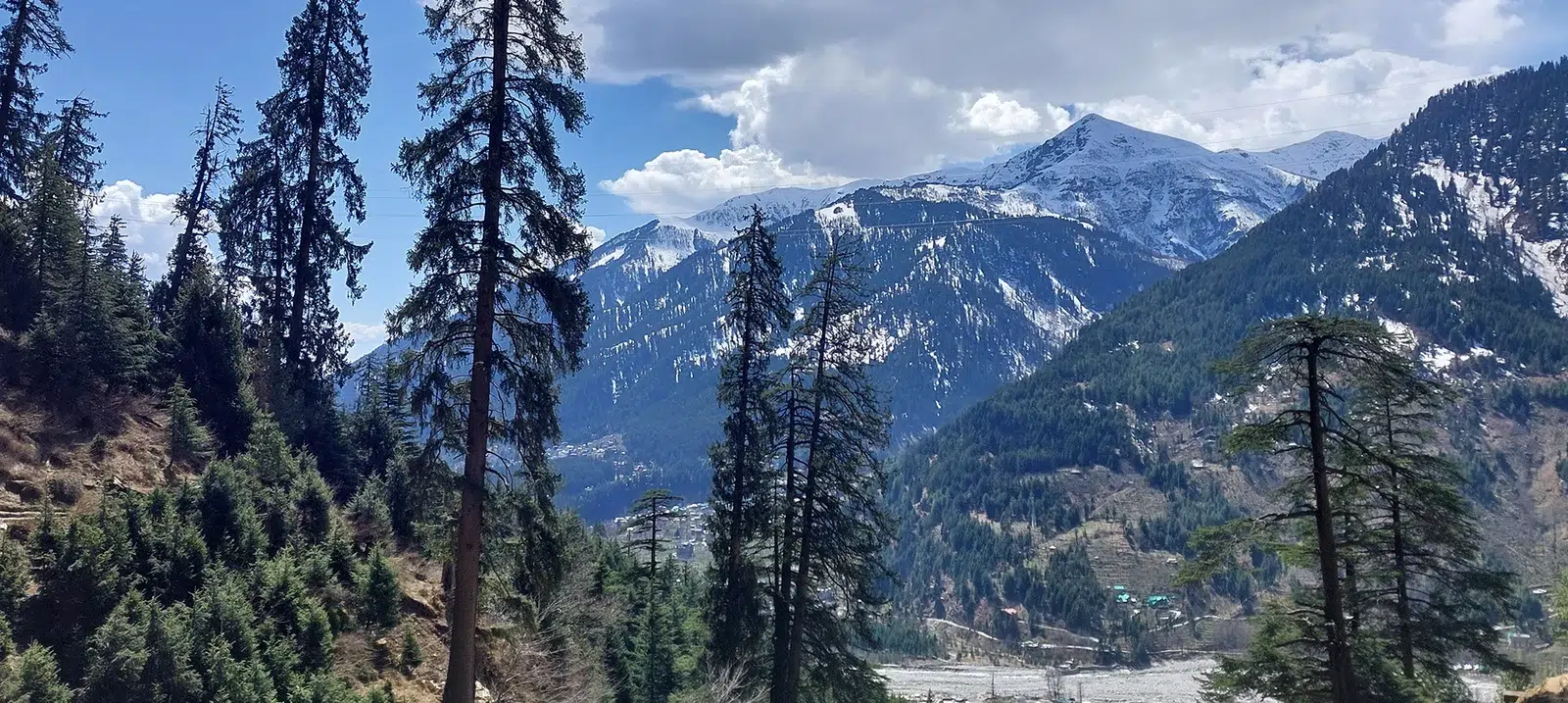
The peaks, once white or gray, are increasingly showing green patches. In the eastern areas, there is also a process of browning, where woody vegetation replaces low alpine grasses, which could make ecosystems more vulnerable to environmental changes.
The greening of the Himalayas is a silent sign of climate imbalance. Beyond the aesthetics of the landscape, this phenomenon affects Asia’s hydrological cycle and the water supply of millions of people. The Exeter study, based on 23 years of data, is the first to measure its real scale and warns that the problem cannot continue to be ignored in the face of glacial retreat.



