



Plastic has become one of the greatest environmental challenges of the 21st century. Its durability makes it a persistent material that can remain in landfills and oceans for decades, affecting biodiversity and contaminating soils and waters. In Australia, more than 80% of plastics end up in landfills, highlighting the urgent need for more effective solutions.
In this context, Australian researchers have developed a process capable of converting plastic into food for microorganisms, paving the way for new forms of reuse within biological cycles and offering a replicable model globally.
The Bioplastics Innovation Hub and its mission
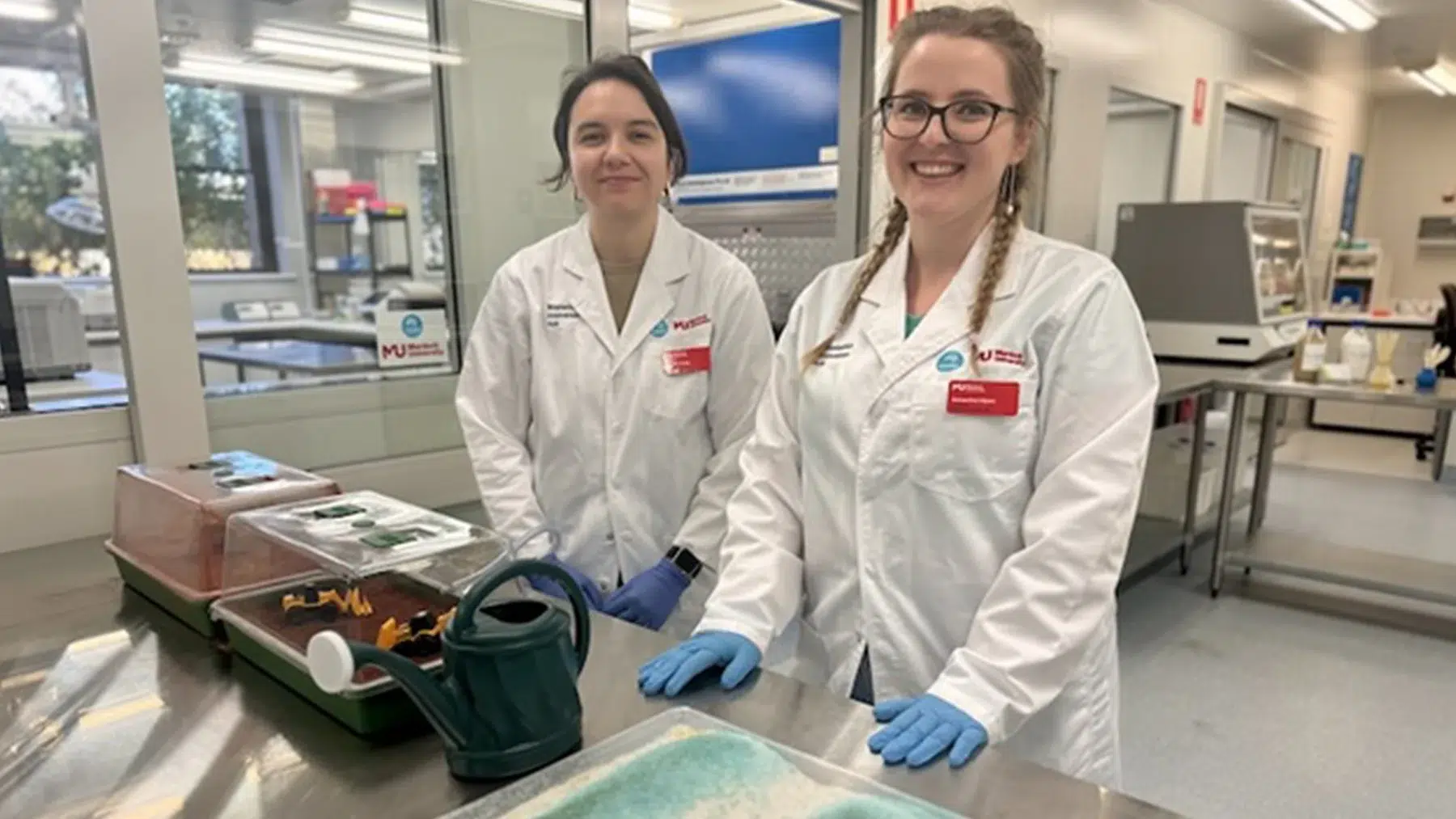
The Bioplastics Innovation Hub (BIH), launched in September 2024, leads this pioneering project. The initiative combines research from Murdoch University, CSIRO, and industry partners, aiming to develop fully compostable bioplastics from organic and plastic waste.
The system uses native microorganisms capable of metabolizing carbon waste present in food scraps and plastics. These microbes produce PHA (polyhydroxyalkanoates), a type of biodegradable bioplastic that, at the end of its life cycle, completely degrades without generating toxic waste.
The step-by-step process
The innovation is based on a biological cycle that integrates waste into nature:
- Feeding the microbes with organic waste and plastic fragments.
- Transforming the materials into PHA bioplastics.
- Decomposing the PHA into natural compost, reintegrating into the ecosystem.
This approach not only reduces waste accumulation but also closes the material cycle, generating value and contributing to the restoration of soils and waters.
Environmental and social advantages
The project offers tangible benefits:
- Reduction of plastic waste in landfills and oceans.
- Creation of 100% compostable bioplastics.
- Integration of waste management into a circular economy.
- Job creation in sustainable innovation and biotechnology sectors.
Moreover, the bioplastics produced can adapt to tropical, arid, or urban climates, reducing the need for transportation and favoring the local circular economy.
Public policies and international commitments
The Australian Government has initiated reforms to improve plastic packaging recovery and promote the circular economy. The proposals include:
- Strengthening recyclability.
- Requiring recycled content in packaging.
- Clarifying labeling for consumers.
These actions align with the CSIRO’s Ending Plastic Waste mission, which aims to reduce 80% of plastic waste by 2030, in line with the UN global treaty on plastic pollution.
Limitations of conventional recycling
Mechanical recycling faces obstacles:
- Single-use plastics are difficult to separate and process.
- Many packages contain additives that complicate recycling.
- The existing infrastructure does not always allow efficient processing.
Therefore, exploring biological processes like the one developed in Australia represents a more sustainable and effective alternative.
The development of bioplastics from plastic and organic waste offers a tangible solution to reduce dependence on fossil fuels and protect ecosystems. By converting plastic into food for microorganisms, a cycle is closed where waste generates value, degrades without risk, and contributes to environmental restoration.
Australia positions itself as a leader in environmental innovation, demonstrating that the combination of science and public policy can offer real alternatives to historical problems. This approach could be replicated internationally, marking a turning point in plastic management and promoting a more sustainable system in the long term.



