



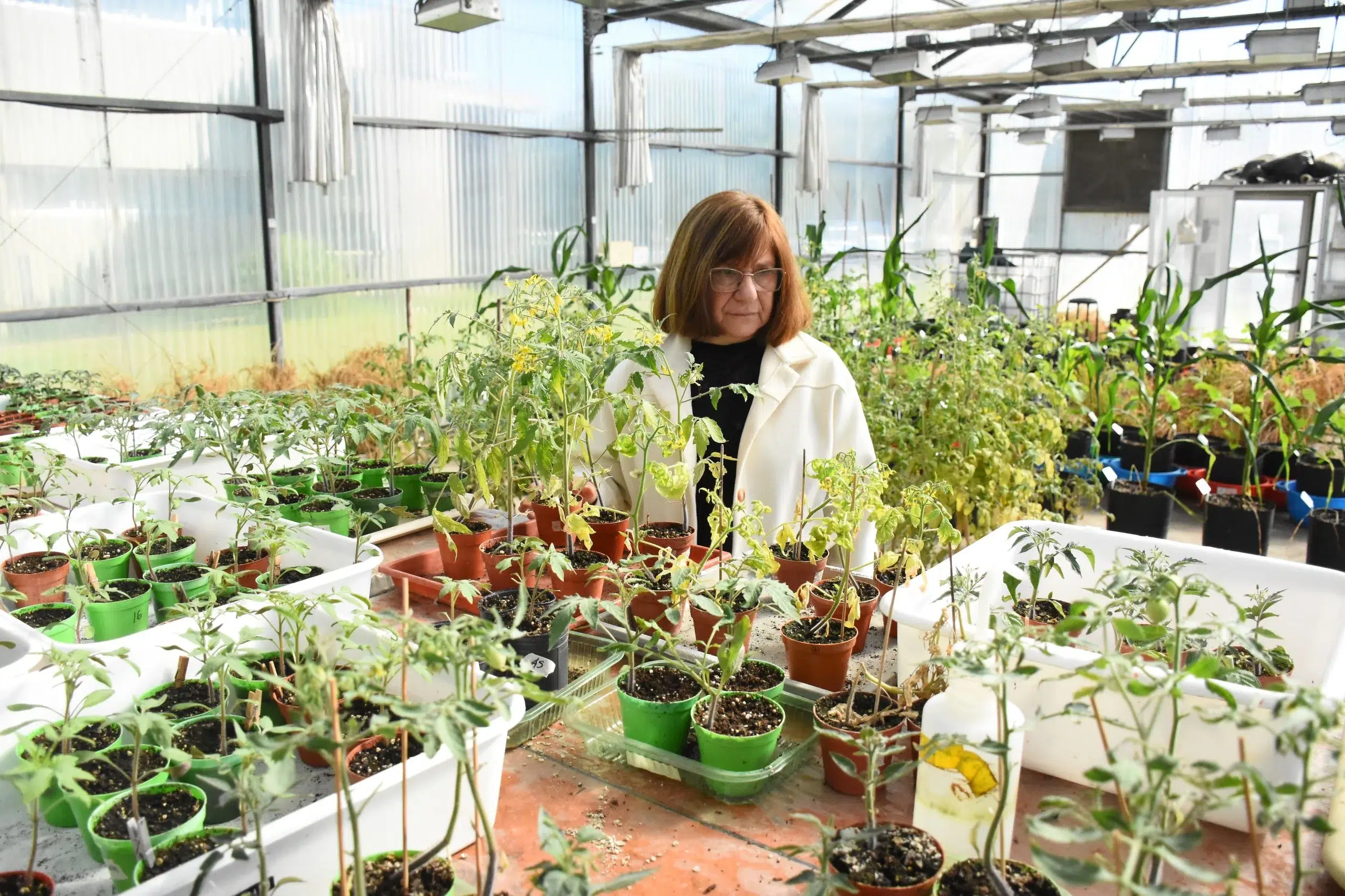
The Argentine scientist Raquel Chan, senior researcher at Conicet and director of the Litoral Agrobiotechnology Institute, received the International L’Oréal-Unesco Award “For Women in Science”, one of the most prestigious awards in the world. The recognition highlighted her research on plant genes capable of making crops more resistant to droughts, floods, high temperatures, and other environmental phenomena.
Scientific Career
Chan studied Biochemistry at the Hebrew University of Jerusalem, completed her doctorate in Rosario, and her postdoctorate in France. Over time, she became a reference in agrobiotechnology in Latin America:
- Published more than 80 international research papers.
- Participated in the development of 10 patents.
- Received awards such as the Konex in Biotechnology, the Ada Byron, and the Bunge and Born in Agrobiotechnology.
- Was named by the BBC as one of the ten most outstanding scientists in the region.
Impact of Her Research
Together with her team, Chan identified genetic mechanisms that help plants withstand adverse climatic conditions. This knowledge is applied in crops such as wheat, corn, rice, and soybeans, with the aim of:
- Improving tolerance to water stress.
- Increasing food production in complex scenarios.
- Developing tools for family farming and free materials for producers.
She is currently working on projects related to crops with a lower carbon footprint and more sustainable agricultural systems.
Resilient Crops Against Climate Change
Resistant crops are essential to ensure food security in a world affected by climate crisis. Key examples:
- Millet: a cereal that consumes less water and tolerates high temperatures.
- Quinoa: adaptable to saline soils, droughts, and extreme cold.
- Sorghum: very tolerant to drought and heat.
- Lupin (lupine): improves soil structure and requires little water.
- Edible cacti: like the prickly pear, capable of retaining water in extreme droughts.
Additionally, modern biotechnology has developed improved varieties of rice and beans resistant to floods and heat, and even trees like the Luna avocado, which optimize water use.
Importance of the Award
The L’Oréal-UNESCO award distinguishes five scientists from different regions each year. Chan was chosen as the representative of Latin America and the Caribbean, consolidating Argentina as the Latin American country with the highest number of awarded researchers in the program’s history.
Raquel Chan’s story demonstrates how applied science can transform agriculture and offer concrete solutions to climate change.
Her research not only strengthens food security but also inspires a cultural change: to stop seeing limits in nature and start designing more resilient, sustainable, and accessible productive systems for everyone.



