



The California-based organization HomeMore Project has dedicated 18 months to developing a unique solution: the solar traveling backpack MakeShift, specially designed for those living on the streets.
Its mission is clear: to provide portable energy and basic resources to vulnerable people, helping them communicate, seek help, find information, and protect the little they carry with them.
Solar energy for inclusion
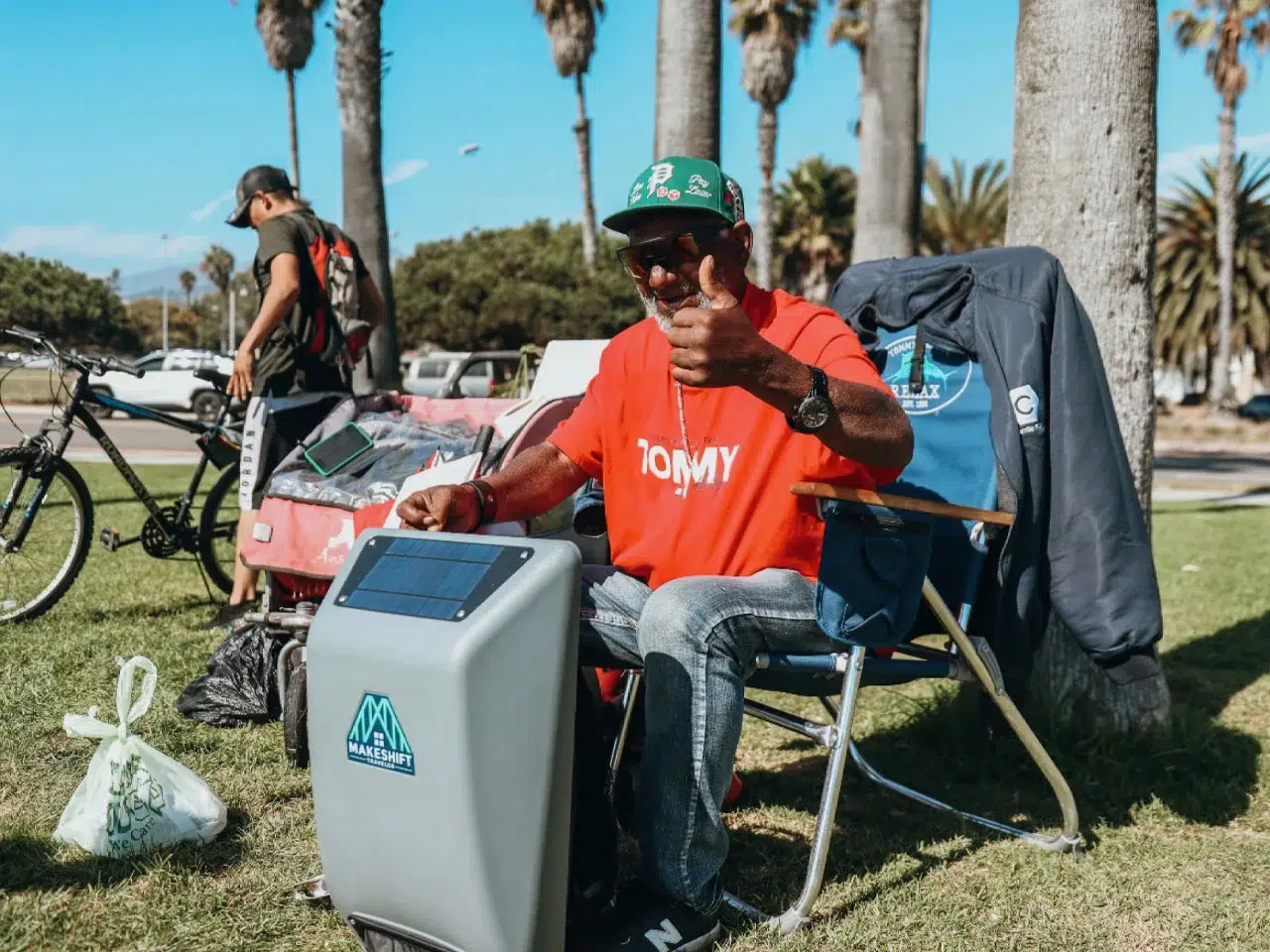
From its official page, HomeMore explains that the backpacks operate with solar energy, allowing mobile phones and other devices to be charged without the need for outlets.
Main features:
- Top solar panel that powers a 10,000 mAh internal battery.
- Full charge time: between 4 and 6 hours of direct sunlight.
- Possibility to plug the battery into the mains when accessible.
- USB port protected by a cover to prevent damage.
- Capability to charge up to three devices simultaneously.
Recycled materials and durable design
The MakeShift backpack is made from recycled plastic bottles, reinforcing its environmental commitment. Its exterior is waterproof, ensuring durability and protection against adverse conditions.
Accessories designed for street life
In addition to the charging system, the backpack includes a series of useful accessories that meet basic needs:
- Inflatable pillow.
- Lockable zipper.
- Water bottle.
- Sleeping bag.
- Waterproof poncho.
- Flashlight.
- Hygiene kit.
- Other essential items, which can be stored inside or attached outside the backpack.
This comprehensive design makes MakeShift a multifunctional travel companion, designed to improve the quality of life for those facing homelessness.
Social impact and project expansion
Since its launch in 2022, the project has already delivered around 1,200 backpacks in various cities in California. Currently, HomeMore is working on agreements with different NGOs to expand distribution and reach more needy communities.
Its creator, Zac Clark, announced that they are already developing a new version of the backpack, scheduled to be launched this year, with improvements in design and functionality.
Innovation with purpose
MakeShift is not just a product: it is a tool for social inclusion. By offering portable energy and basic resources, the backpack helps homeless people stay connected, access vital information, and have elements that enhance their safety and well-being.
Moreover, the use of recycled materials and the commitment to solar energy make the project an example of how technological innovation can align with sustainability and social justice.
The HomeMore project demonstrates that technology can be a bridge to dignity and resilience. With the MakeShift backpack, people in street situations not only receive a practical object but also an opportunity to reconnect with society and face daily life with more resources and security.



