



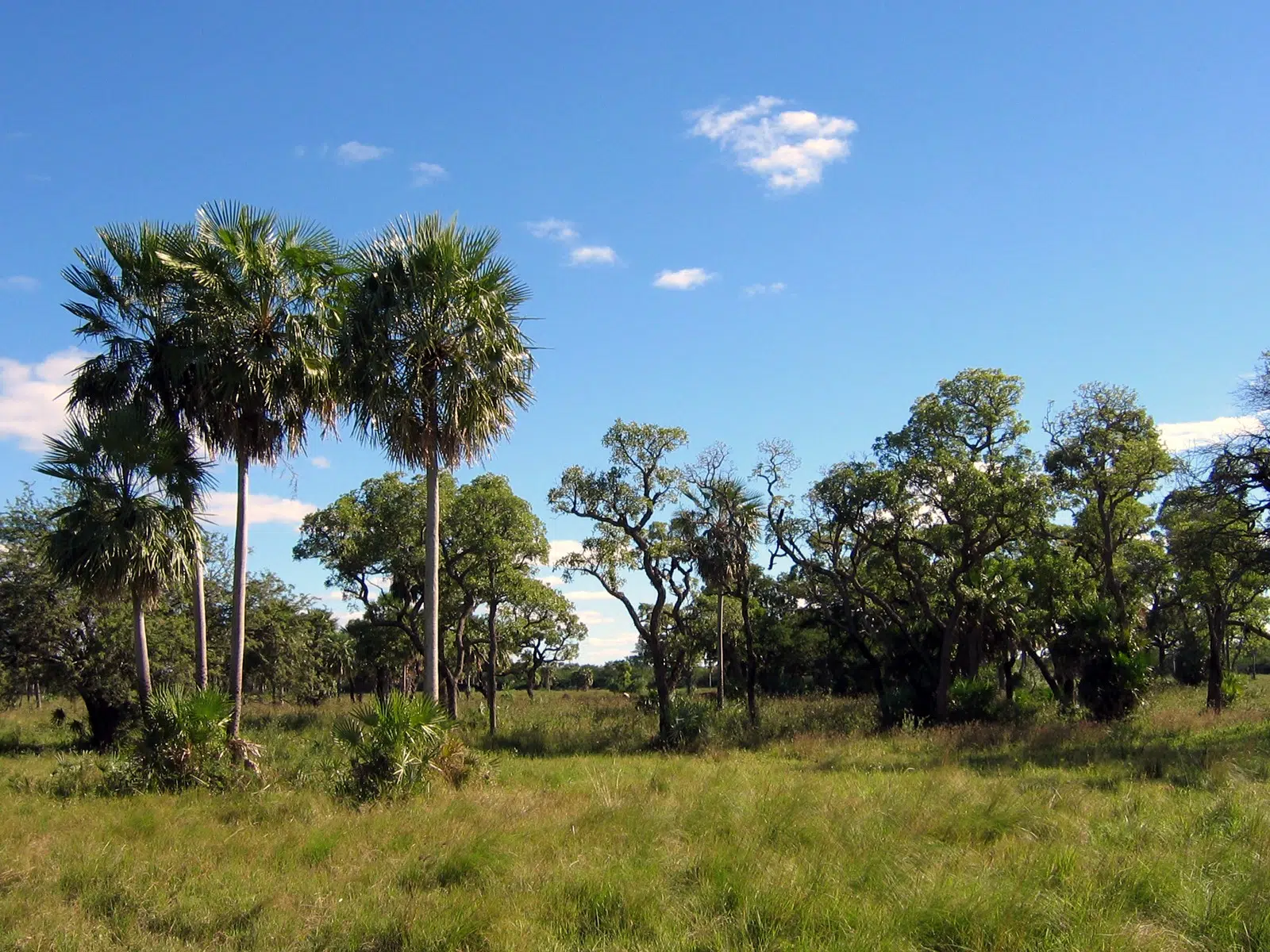
The Gran Chaco can be metaphorically compared to a kind of “green heart” of South America. In the territory, the “Redes Chaco” network unfolds its work, a solid transborder network of over 250 organizations in Argentina, Bolivia, Paraguay, and Brazil.
It is dedicated to saving the green heart of South America through inclusive and sustainable initiatives.
The network’s commitment in the Gran Chaco
In the context of the World Environment Day, celebrated last week, Redes Chaco seeks its collective work to address the climate crisis, protect biodiversity, and promote equitable development in the American Gran Chaco.
Since its foundation in 2008, it articulates 250 organizations to share knowledge, strengthen impacts, and consolidate a biocultural identity that transcends borders.
“The Gran Chaco doesn’t need to be saved, it needs to be heard. The voices of its people are deeply connected to the land,” expressed community leader María Esther Romero.
Likewise, Lucrecia Gil Villanueva, from the Women’s Collective of Gran Chaco, asserts that the environment is part of identity, a support for barter, crafts, and subsistence.
A territorial governance model
Facing rapid deforestation (over 300,000 hectares annually), Redes Chaco advocates for a model that balances development and conservation. Among its programs are:
-
Green Recovery, focused on regenerating native forests.
-
NANUM Connected Women, linking digital inclusion with water management and sustainable production.
-
Trinational Chaco Initiative, designed to strengthen local governance.
Climate adaptation from a community perspective
Iván Arnold (NATIVA) explains that the Chaco forest, although dry, harbors a biodiversity adapted to extreme droughts, making it a living laboratory for climate strategies.
Agostina Nicoletti (ACDI) argues that the best adaptation is built with local networks and productive models that integrate knowledge, economy, and nature.
Initiatives like Gran Chaco Proadapt, The Future Lies in the Forest, and Green Impact demonstrate the value of diversified productive practices—beekeeping, crafts, and integrated livestock farming—strengthened by climate data and fair market access.
The result translates into forest conservation, income generation, and reduced climate vulnerability.
With active participation of public, private, and community actors, Redes Chaco promotes common agendas to address complex issues through an integrated strategy.
In this sense, its action is key for biocultural conservation, as it advocates for a territory where nature, community knowledge, and culture coexist; climate change adaptation; and sustainable development.



