



Sustainable development is defined as the development paradigm that aims to meet the needs of the current generation without compromising the ability of future generations to meet their own needs.
This model is based on the balance of three interdependent pillars: the economic, the social, and the environmental. The ultimate goal is to achieve viable economic growth, a society that promotes equity, and a healthy natural environment, thus ensuring long-term human well-being.
For the effective implementation of this model in Argentina, it is imperative to coordinate the efforts between the State, the private sector, and civil society to achieve the set objectives.
The focus should be on environmental protection, the promotion of equitable economic growth, and the promotion of inclusive social development. Strategies to achieve this include promoting the circular economy and renewable energies, ensuring universal access to water and sanitation, promoting sustainable production, and fostering environmental awareness along with active citizen participation.
We must be aware that, on the very rare occasions when measures have been implemented against pollution of water courses, the action is directed against various companies. However, open-air landfills, which are often located on river banks, and untreated sewage discharges are not considered. Nor are the leaks of effluents that occur with the connivance of certain officials who choose regulatory negligence.
It is futile to take kindergarten children to collect papers as a symbolic gesture while simultaneously allowing a powerful industry to divert its polluting effluent, bypassing the corresponding treatment plant.
Likewise, it is not efficient to call for a clean production plan based on voluntary adherence, which will only be attended by those who habitually collaborate, but not by those for whom clean production is not of interest and, therefore, will continue polluting without restrictions.
From my perspective, I believe that the most significant problems of freshwater pollution arise from the discharge of untreated effluents into receiving bodies. These effluents come from industrial and urban centers.
The severity of this pollution is intensified in cases where large urban and industrial concentrations generate combined discharges, which are enhanced and very difficult to treat.
It is mandatory to promote the development of new technologies, or the modification of existing ones, through Municipalities and companies. The goal is to achieve adequate data capture and management, pollution characterization, monitoring, and evaluation of alternative treatment strategies.
Their subsequent application to water bodies and liquid effluents —whether sewage and/or industrial— at the scale of establishments or populations, will allow establishing the specific operational conditions and legal parameters required for discharge, thus ensuring acceptable pollution levels in the various affected water basins.
For this reason, it is essential to have new technologies and processes, or modifications of existing ones, for the diagnosis, identification and registration, characterization, and evaluation of potentially contaminated sites. This should be oriented towards their subsequent restoration, recomposition, or remediation, which must be adjusted to the specific characteristics of the pollution and the corresponding edaphoclimatic (soil and climate) conditions.
It is necessary to equip the different water basin organizations with technological tools for managing the various variables associated with them. This should start at the municipal level, continue in the provinces, and culminate at the national level. Such management must include the risk associated with the occurrence of extreme events, such as floods and droughts.
Specialists perceive rivers as fundamental pillars of sustainable development, highlighting their role in providing drinking water, food production, energy generation, and sustaining biodiversity.
However, they point out that water management and river protection represent crucial challenges. These challenges require a thorough understanding of water resources, the adoption of sustainable management practices, pollution reduction, and greater scientific and social participation. All of this is vital to prevent environmental degradation and ensure long-term human and economic well-being.
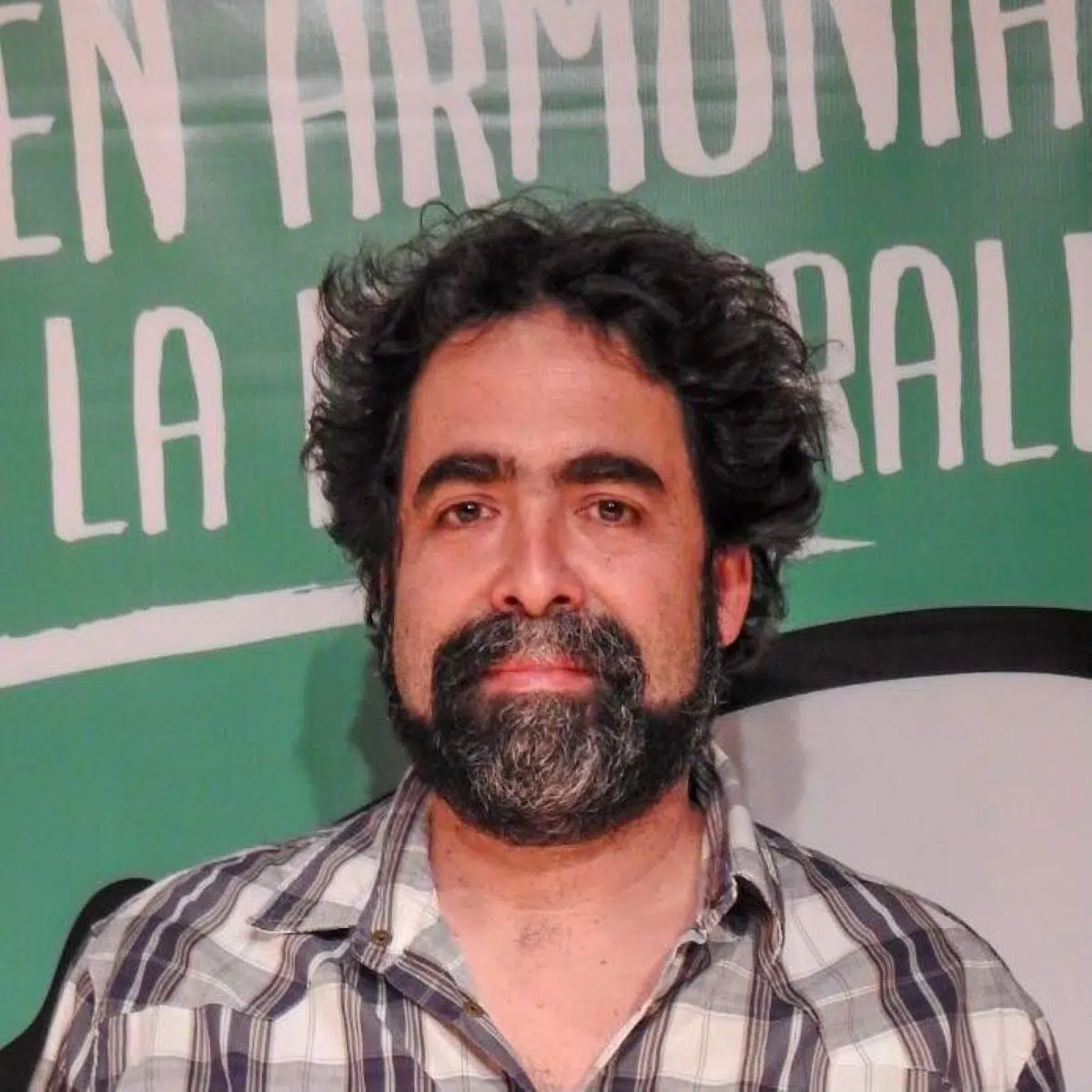
“We must be aware of the importance of rivers, not only as providers of water and food but also for their ability to mitigate natural disasters such as floods or droughts. Rivers are essential for our societies, well-being, and economies, but unfortunately, we do not give them the value they require. It is our responsibility to work to protect them as they are essential to achieving the goals of sustainable development,” says Fernando Miñarro, former Director of Conservation and Sustainable Development of the Wildlife Foundation.
One viable solution would be to start implementing artificial wetlands. These engineering systems are a vital tool for controlling and preventing river pollution, as they act as natural purifiers of water.
They manage to remove nutrients, sediments, and chemical substances through a combination of biological and physical processes. Their implementation offers cost-effective and sustainable solutions, as they require less energy than conventional treatments, provide habitat for local wildlife, contribute to biodiversity, improve water quality, and help combat climate change.
Experts consider sustainable development an effective and sustainable solution for pollution control in the country. They are particularly highlighted for the treatment of wastewater and stormwater, thanks to their intrinsic ability to remove nutrients, sediments, pathogens, and organic compounds through natural processes.
Despite the absence of specific legislation promoting them and the challenges faced by natural wetlands, these engineering systems offer a way to recover water quality and provide ecosystem services.

“The success of the trial will depend on the amount of solids, nutrients, and other pollutants that are retained in the plants and not in the water that comes out. If we see that the compared values experience a reduction of more than 50 percent, we are facing promising results and a first cleaning of the liquids that is so difficult to purify,” expresses Romina Schiaffino, Scientist at the Teaching Center of the National University of the Northwest of Buenos Aires (UNNOBA).
The potential role of new technologies, such as artificial intelligence and remote sensing, should be considered for sustainable development, offering a set of promising alternatives to optimize how we measure water and river systems. The development and strengthening of effective institutions for water management and governance must be guaranteed. These must assign clear roles to governments, companies, and institutions to ensure that the best joint decisions are made and that progress is indeed sustainable.
By: Cristián Frers – Senior Technician in Environmental Management and Senior Technician in Social Communication (Journalist).


