



By Nasha Cuvelier
From November 3 to 5, the Local Leaders Forum in Rio de Janeiro took place, putting subnational governments at the center of the scene. The agenda, co-organized by the COP30 Presidency and Bloomberg Philanthropies, connected with the C40 World Mayors Summit to coordinate positions of states, regions, and cities towards Belém, focusing on implementation, adaptation, and financing.
The message circulating in panels and corridors was clear: without local action, no NDC will be fulfilled. The Under2 Coalition proposed consolidating a decade of subnational leadership into an implementation platform, while C40 cities showcased commitments to extreme heat and urban resilience. More than 300 municipal leaders participated in the event, with announcements of technical cooperation and progress reports.
Parallel to the start of the forum, the national government presented its third NDC and raised the cap on net emissions to 375 MtCO₂e for 2030 and 2035. This implies a regression from the previous commitment of 349 MtCO₂e communicated in 2021, beyond the methodological changes invoked. Moreover, despite the announcement, there was no real and transparent public participation process for its construction. The absence of a clear consultation mechanism weakens the legitimacy of the goal and its future implementation.
In Rio, there was active presence of Argentine provincial and local authorities. Representatives from Santa Fe, Córdoba, the Province of Buenos Aires, Neuquén, and San Luis participated, along with the Deputy Chief of Government of the City of Buenos Aires and municipal teams from the Metropolitan Area of Buenos Aires. This federal and metropolitan articulation reinforces the capacity to bring concrete experiences and demands to the table in Belém.

Looking towards the COP30 in Belém, the logistical discussion should not overshadow what is important. The forum reaffirmed that the window of credibility lies in showing real implementation with intermediate goals, traceability, and accountability. There, Argentine subnational governments can play a decisive role if technical cooperation is aligned and financing flows are organized. During the COP, at least nine Argentine provinces will participate, including Entre Ríos, La Pampa, Santa Fe, Jujuy, Misiones, Chaco, Buenos Aires, Córdoba, and San Luis, which opens a concrete opportunity to coordinate positions and bring ready-to-execute proposals. Meanwhile, the national government has not yet confirmed if they will be present, and it is estimated that in line with the United States, they will not send high-level officials.
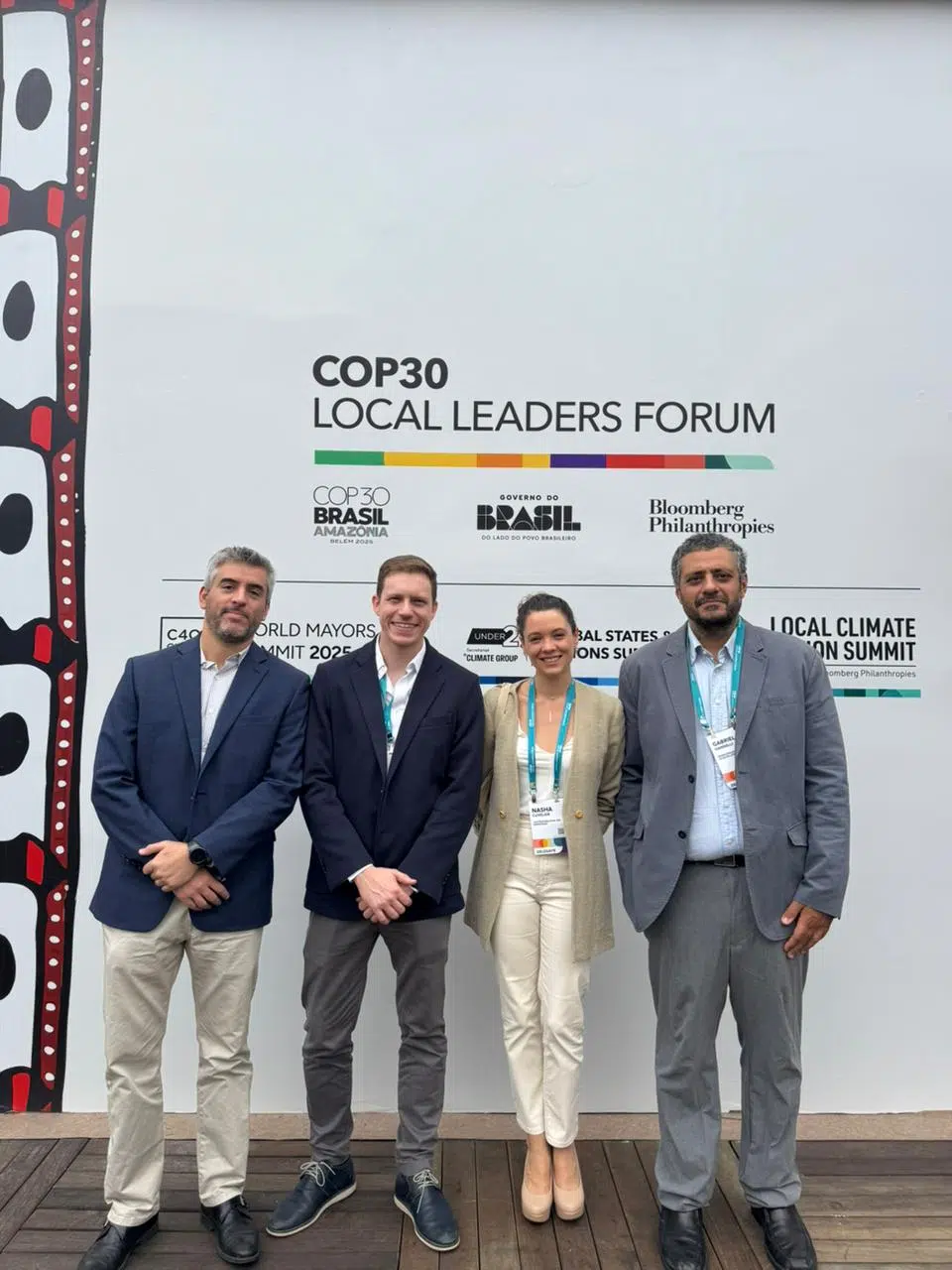
From Sustainability Without Borders, we accompany the subnational governments in the forum and at the COPs to increase their influence and coordinate strategic meetings with international partners, with the aim of transforming commitments into results through adaptation plans and mitigation ready to execute and with public accountability.


