



A recent study published in the scientific journal Science of The Total Environment concludes that more than 50% of the plants consumed by traditional and indigenous peoples of Latin America depend on bee pollination, insects that face high levels of threat in the region and worldwide.
The role of pollinators in the traditional diet
Researchers from Argentina, Bolivia, Brazil, Chile, Colombia, Peru, Mexico, and Uruguay reviewed technical reports and scientific articles published between 1991 and 2022 to identify plant species that are part of the diet of indigenous communities and small rural producers.
- A list of 82 species used for the consumption of fruits and seeds was developed.
- By cross-referencing this information with pollinator records, nine main groups were identified.
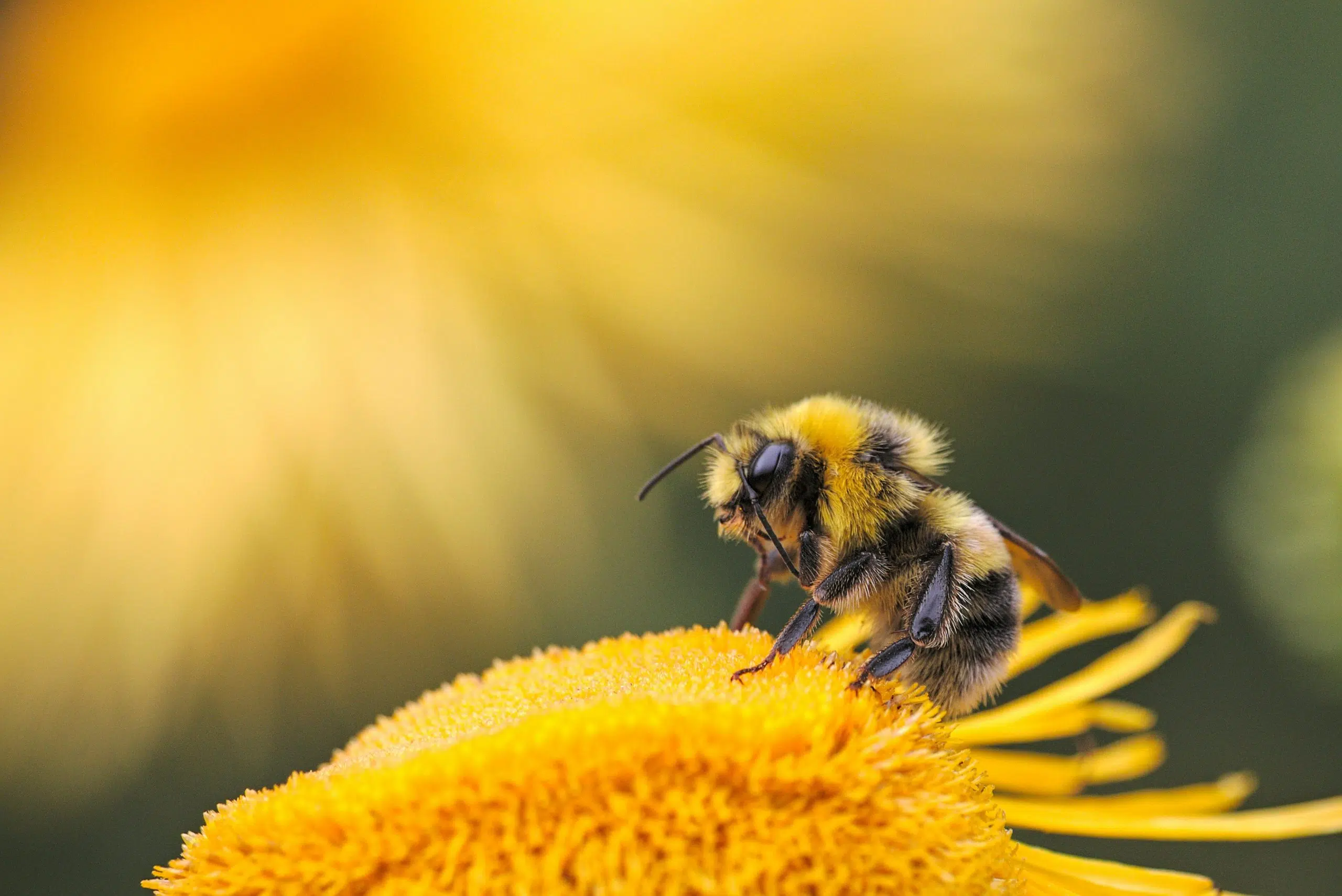
- Bees account for 51.9% of interactions, with 87.6% of them carried out by native species and 10% by the introduced species Apis mellifera.
Other essential pollinators
Although bees are the main actors, other insects and animals also play a key role:
- Flies: 13%
- Beetles: 9.19%
- Wasps: 7%
- Butterflies: 6.5%
- Moths: 5.94%
- Hummingbirds: 2.7%
- Bats: 2.16%
These organisms act as complementary pollen vectors or participate in highly specialized pollination systems.
Examples of critical dependence
- Cacao (Theobroma cacao)**: completely depends on two species of ceratopogonid flies.
- Mangaba (Hancornia speciosa)**: fruit from the Brazilian Cerrado whose pollination depends exclusively on nocturnal sphingid moths.
Threats and consequences
Specialized interactions are at risk due to human activities:
- Intensive use of chemical fertilizers.
- Destruction and degradation of forest areas.
- Advancement of climate change.
In Latin America, between 2016 and 2018, 30.4% of honey bee hives and 39.6% of stingless bee hives were lost.
This compromises the food security of communities that rely on fruits and seeds for their nutrition and economic sustenance. Additionally, it may lead to a rise in agricultural product prices for the general population.
Expert voices
- Rubem Samuel Ávila Jr. (Federal University of Pampa, Brazil): “Protecting pollinators is a strategic action for sustainable development as it safeguards the environment, the economy, and livelihoods.”
- Isabela Galarda Varassin (Federal University of Paraná): “Any alteration in the interactions between plants and pollinators can compromise access to essential nutrients for indigenous peoples.”
- Carmen Pires (Embrapa Genetic Resources and Biotechnology): “Interruptions in these interactions jeopardize the livelihood of small farmers and can increase food prices.”
The study reinforces the need for effective pollinator conservation policies in Latin America, focused on:
- Protecting natural areas near crops.
- Maintaining local pollinator populations.
- Integrating conservation with traditional indigenous knowledge.
With 87% of the world’s plant species dependent on animals for pollination, the protection of bees and other pollinators is key to ensuring food security, biodiversity, and the economic sustainability of rural and indigenous communities.
By Rodrigo de Oliveira Andrade/SciDev.Net



