



Glaciers function as water savings banks: they accumulate water resources and release them during drought periods, ensuring the supply for populations and ecosystems. In Argentina, these ice bodies —including rock and debris glaciers— are fundamental for water regulation in mountainous areas.
Researcher Lucas Ruiz, a doctor in Geological Sciences and a member of Conicet, explained in a conversation with Mongabay Latam that glaciers and permafrost are key to the country’s water security. The current Glacier Law protects these reserves, but today it is at the center of a political and social debate.
The proposed reform
The Argentine government is pushing for a modification of Law 26.639, with half approval in the Senate and currently under discussion in the Chamber of Deputies. The initiative seeks to:
- Relax the protection of glaciers and periglacial areas.
- Redefine the object of protection to glaciers with an “effective water function”.
- Transfer decisions to the provinces, enabling economic activities such as mining and hydrocarbons in previously protected areas.
Public hearings and social tension
The public hearings held in March 2026 showed high social interest: more than 100,000 registered, although only 200 could participate. There were complaints of arbitrary cuts, political tension, and requests for precautionary measures in the Judiciary.
The arguments are divided into two main blocks:
- Government and mining sectors: they argue that the current law was not regulated, that clarity is needed, and that the reform will allow for investments, employment, and revenue.
- Scientists and environmentalists: they warn that the reform violates Article 41 of the Constitution, endangers drinking water, and prioritizes profit over environmental preservation.
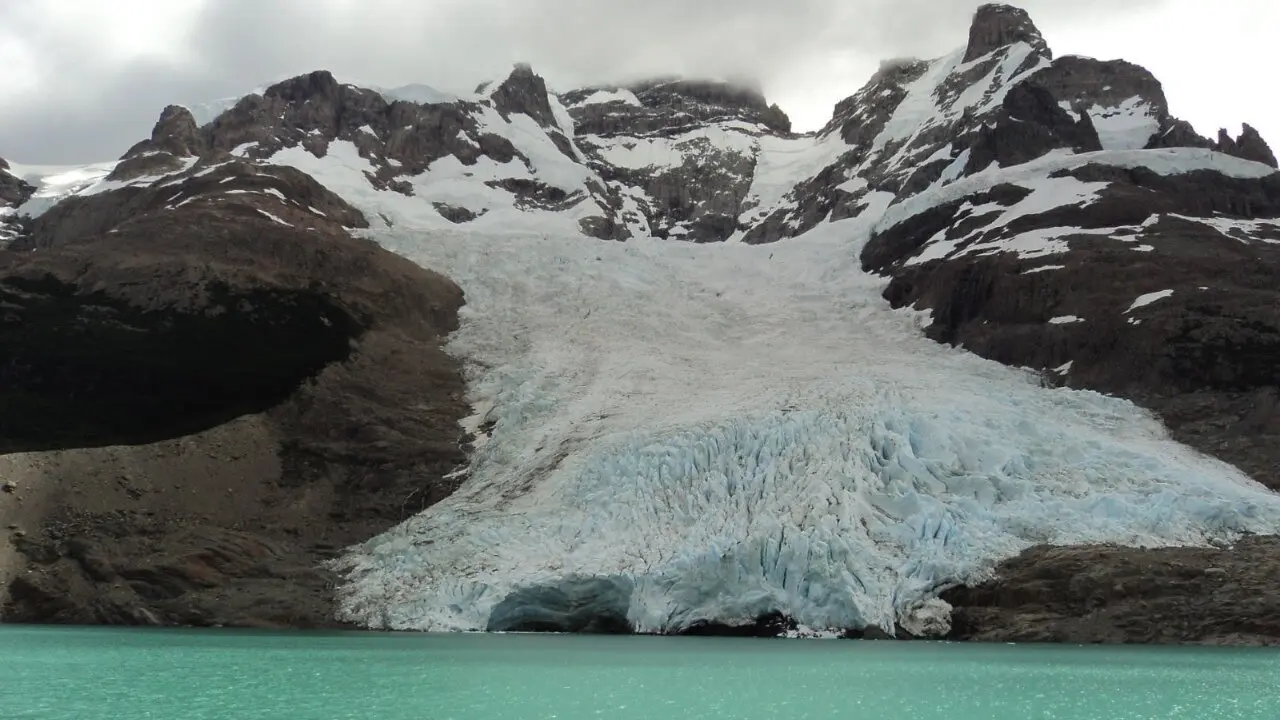
The value of the periglacial environment
Ruiz clarifies that the periglacial environment is not just what surrounds the glaciers, but areas with permanently frozen soils (permafrost). There are water reserves that regulate the water resource.
The current law protects these areas, but the reform introduces discretion: provinces could decide which areas are exploited and which are protected.
National Glacier Inventory
The IANIGLA coordinates the National Glacier Inventory, which identifies ice and debris glaciers. The latter, although they appear as rocky slopes on the surface, contain large concentrations of ice and fulfill an essential water function.
Risks and future scenarios
The main tension lies in the compatibility of the reform with the constitutional protection of the environment against the search for mining investments, especially lithium.
- If the law is relaxed, extractive ventures would be allowed in critical areas, risking river contamination and loss of water reserves.
- If the current protection is maintained, the strategic water resource is preserved, although it limits mining expansion in mountain areas.
Glaciers are more than landscapes: they are vital water reservoirs and regulators against droughts. The reform of the Glacier Law faces two visions: one that prioritizes immediate economic development and one that defends long-term water and environmental security.
The legislative outcome will set the course for Argentine environmental policy and determine whether the country protects its strategic reserves or exposes them to extractive pressure.


