



A recent study by the Institute of Molecular and Cellular Biology of Plants in Spain reveals how certain agricultural practices directly influence the microorganisms present in fresh foods, proposing a strategy to transform the microbes present in fruits and vegetables.
The study analyzes how biostimulants and controlled stress conditions modify the microbial community inhabiting lettuce and tomatoes. These plants, often consumed raw, transfer their microbiome to the consumer, making the impact of these techniques relevant.
Researchers conducted experiments in greenhouses to evaluate how bacteria, symbiotic fungi, and biostimulant products alter microbial diversity. The model included microbial species used in both organic and conventional agriculture, applied in cultivated soils.
They also incorporated controlled exposure to salinity, a condition usually associated with negative stress, but which showed unexpected effects here.

How edible microbiomes are modified
The analyses, based on advanced genetic sequencing, allowed for the identification of profound changes in the composition of the endophytic microbiome. Notable increases in bacteria associated with plant health and probiotic potential were observed.
These results demonstrate that ecological manipulation of cultivation can significantly alter the microorganisms present in edible parts. Researchers observed variations ranging from partial changes to complete transformations of microbial profiles.
Each treatment generated different responses, opening the door to designing specific strategies according to the type of crop. Combinations of biostimulants and controlled salinity showed the most positive effects on diversity.
Towards more sustainable agriculture with less chemical dependency
The study’s conclusions indicate that these techniques can serve as a tool to naturally improve plant health. The use of symbiotic microorganisms strengthens the crops’ ability to face environmental stress without the need for synthetic fertilizers.
This represents progress towards agricultural systems that reduce their ecological impact. Additionally, the approach allows for the enhancement of beneficial microbial communities that provide stability and resilience to the agricultural ecosystem.
A healthy plant microbiota decreases disease incidences and improves sustainable productivity. This advances models that integrate science, conservation, and food security.
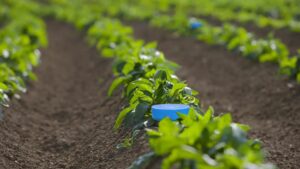
Microbes in fruits and vegetables: their impacts on the consumer and the food chain
The study also highlights potential benefits for those who consume these vegetables. Greater microbial diversity in fruits and vegetables could support better intestinal health. While more research is still needed, the results reinforce the importance of fresh foods with healthy microbiomes.
The positive modification of the endophytome could improve the nutritional and functional quality of crops. This would favor more balanced diets and food systems with less chemical dependency. In this way, the research connects agricultural sustainability with human well-being.
Benefits of promoting biostimulants and this ecological initiative
Promoting the use of biostimulants and microbiology-based strategies has multiple environmental advantages. It reduces the use of agrochemicals, whose impact on soils, waters, and biodiversity is increasingly evident.
It fosters crops more resistant to droughts and saline soils, growing challenges in the context of climate change. These practices strengthen agricultural ecosystems by maintaining a greater variety of beneficial microorganisms.
A robust microbiota decreases the need for external interventions and improves soil health. Additionally, it promotes productive models that respect microbial biodiversity and promote more healthy foods.
For producers, these techniques can translate into lower costs associated with fertilizers and pesticides. For the environment, they mean fewer chemical residues and more vibrant soils. And for consumers, fresh foods with greater potential to contribute to the balance of intestinal microbiota.


