



Chile and Norway consolidated their commitment to research and conservation of Antarctica with a Memorandum of Understanding. They did so during the Third United Nations Conference on the Ocean, held in Nice, France.
The ceremony was attended by Chilean Foreign Minister Alberto van Klaveren and Norwegian Minister of International Development Åsmund Grøver.
Both highlighted that “strengthening our historical ties and reaffirming our commitment to defend Antarctica as a natural reserve dedicated to peace and science” represents a decisive step.
Conservation of Antarctica: main objectives of the agreement
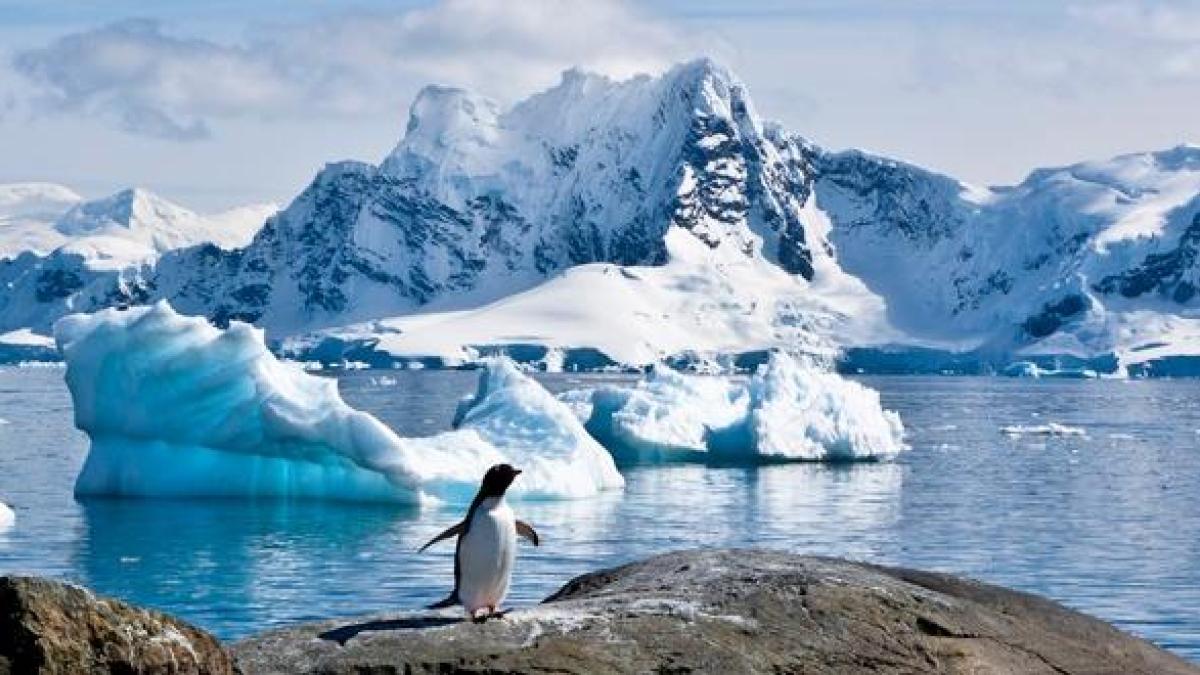 The commitment of Chile and Norway.
-
Strengthen the Antarctic Treaty System (ATS) and its framework of international cooperation.
-
Enhance active participation in the consultative meetings of the ATS and the Commission for the Conservation of Antarctic Marine Living Resources (CCAMLR).
- Consolidate a permanent bilateral dialogue, through face-to-face or virtual meetings between technical institutions of both countries.
- Promote Antarctic and sub-Antarctic science, focusing on climate change, ecosystem processes, and logistical, technological, and operational collaboration.
- Promote the implementation of the Polar Code in the Southern Ocean, promoting information exchange and joint expert seminars.
A key step for science and conservation
The alliance enhances strategic scientific collaboration, by combining human resources, research infrastructure, and logistics from both countries.
This reinforces national capacities to monitor environmental changes, foster polar innovation, and contribute to global knowledge about Antarctica.
Furthermore, it strengthens the commitment to multilateral initiatives such as the CCAMLR, aimed at protecting marine resources and Antarctic biodiversity.
This agreement adds to previous efforts, such as diplomatic collaborations in the ATS and actions by the Chilean Antarctic Institute (INACH), which in 2024 celebrated 60 years with key international scientific projects.
Hydroponic production: the work of INTA in Antarctica
The white continent is a point of research and applied science in many aspects. An example is the Antarctic Hydroponic Production Modules (MAPHI).
Which, since 2017, have allowed the production of leafy vegetables on the white continent, marking a before and after for Argentine Antarctic bases.
This project, promoted by INTA, the Antarctic Joint Command (COCOANTAR), and the Universidad Nacional de la Patagonia Austral, has transformed the quality of life for those working at the Marambio, Esperanza, and Belgrano 2 bases.
 Antarctica as a center of science.
Led by Jorge Birgi from INTA Santa Cruz. Technological materials were adapted to enable production in extreme conditions.
Its impact directly affects the production of fresh foods like arugula and lettuce in Antarctica, providing a significant improvement in the quality of life for scientists and personnel conducting sovereignty activities.


