



A study highlights how the presence of whales in Península Valdés, on the coasts of Chubut, boosts ocean productivity and helps mitigate climate change through water fertilization.
The importance of whales in Península Valdés in the ecosystem transcends their value as a global tourist attraction.
These marine mammals act as true biological engines that maintain the health of the South Atlantic Ocean.
Through a process known as the “whale pump“, the specimens of the Southern Right Whale distribute essential nutrients that promote the growth of phytoplankton, the base of the marine food chain and a fundamental ally in capturing carbon dioxide.

The ocean fertilization cycle
The mechanism of water enrichment begins with the feeding habits and excretion of these animals.
The whales feed in the depths and return to the surface to breathe and defecate. Their “fecal plumes” are rich in iron, nitrogen, and phosphorus, minerals that are often scarce in the surface layers of the sea.
By releasing these components where sunlight reaches, the whales act as natural fertilizers.
This phenomenon stimulates the proliferation of phytoplankton, photosynthetic microorganisms that not only feed a vast diversity of species (from krill to commercial fish), but also produce a significant portion of the oxygen we breathe.
Impact on the climate crisis
The relevance of conserving the whales on the Argentine coasts also lies in their ability to mitigate global warming.
By enhancing the development of phytoplankton, the carbon sequestration from the atmosphere is accelerated. It is estimated that the growth of these marine plant populations, driven by the cetaceans, allows for the absorption of tons of CO2 that would otherwise remain trapped in the air, contributing to the greenhouse effect.
In addition to their role in life, whales continue to contribute to the system even after death. When their remains fall to the seafloor, they transport large amounts of carbon to the bottom of the ocean, where they are stored for centuries, functioning as a highly efficient natural carbon sink.
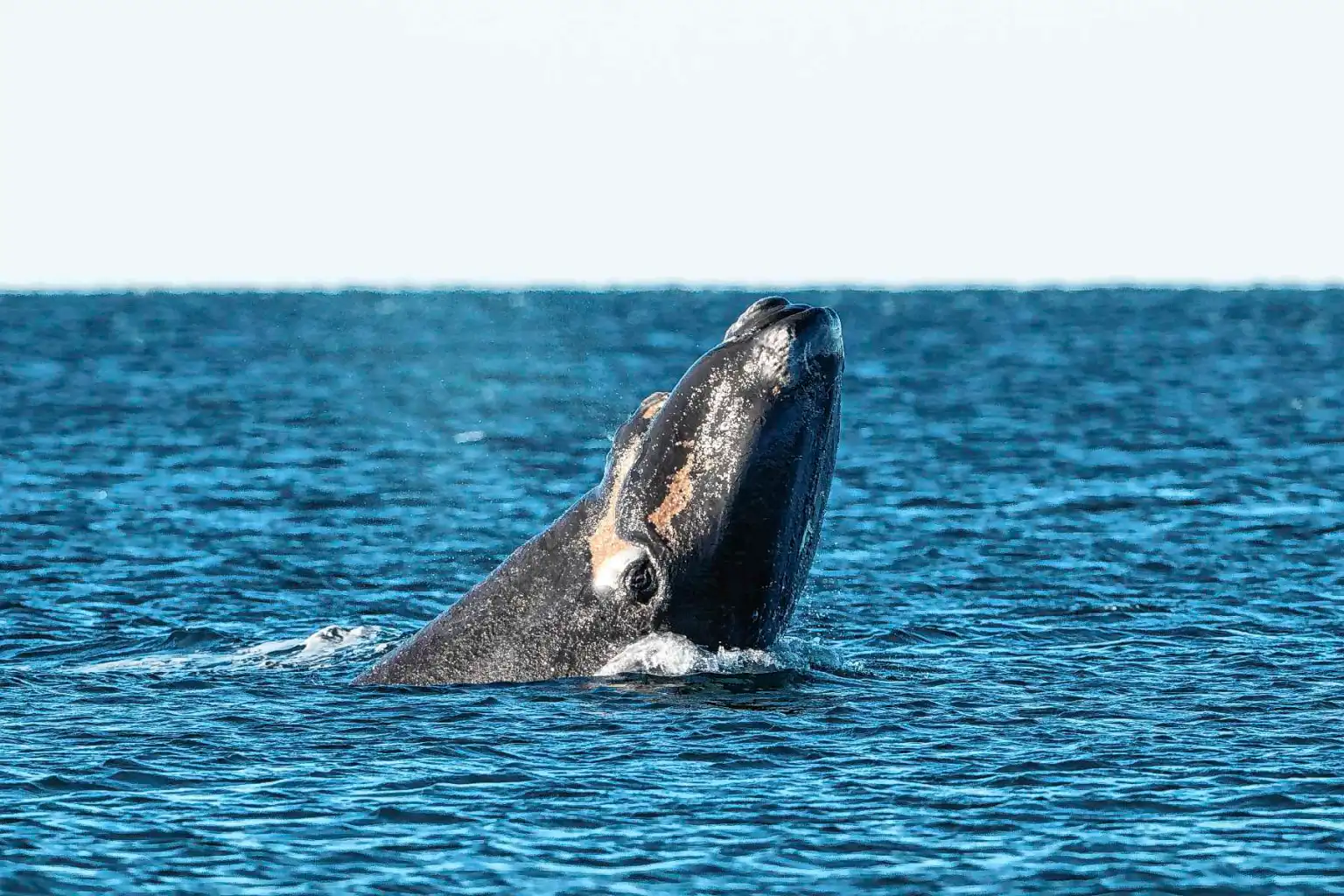
Whales in Península Valdés, ecological heritage under protection
Research supported by the Whale Conservation Institute (ICB) emphasizes that Península Valdés is a critical area for the reproduction and rearing of the species. The protection of this habitat not only ensures the survival of the Southern Right Whale but also guarantees the continuity of these ecosystem services that benefit the entire region.
In conclusion, the protection of these giants of the sea is a planetary survival strategy. Their presence in Argentine Patagonia ensures more productive seas, robust biodiversity, and an effective biological tool to face the environmental challenges of the 21st century.



