



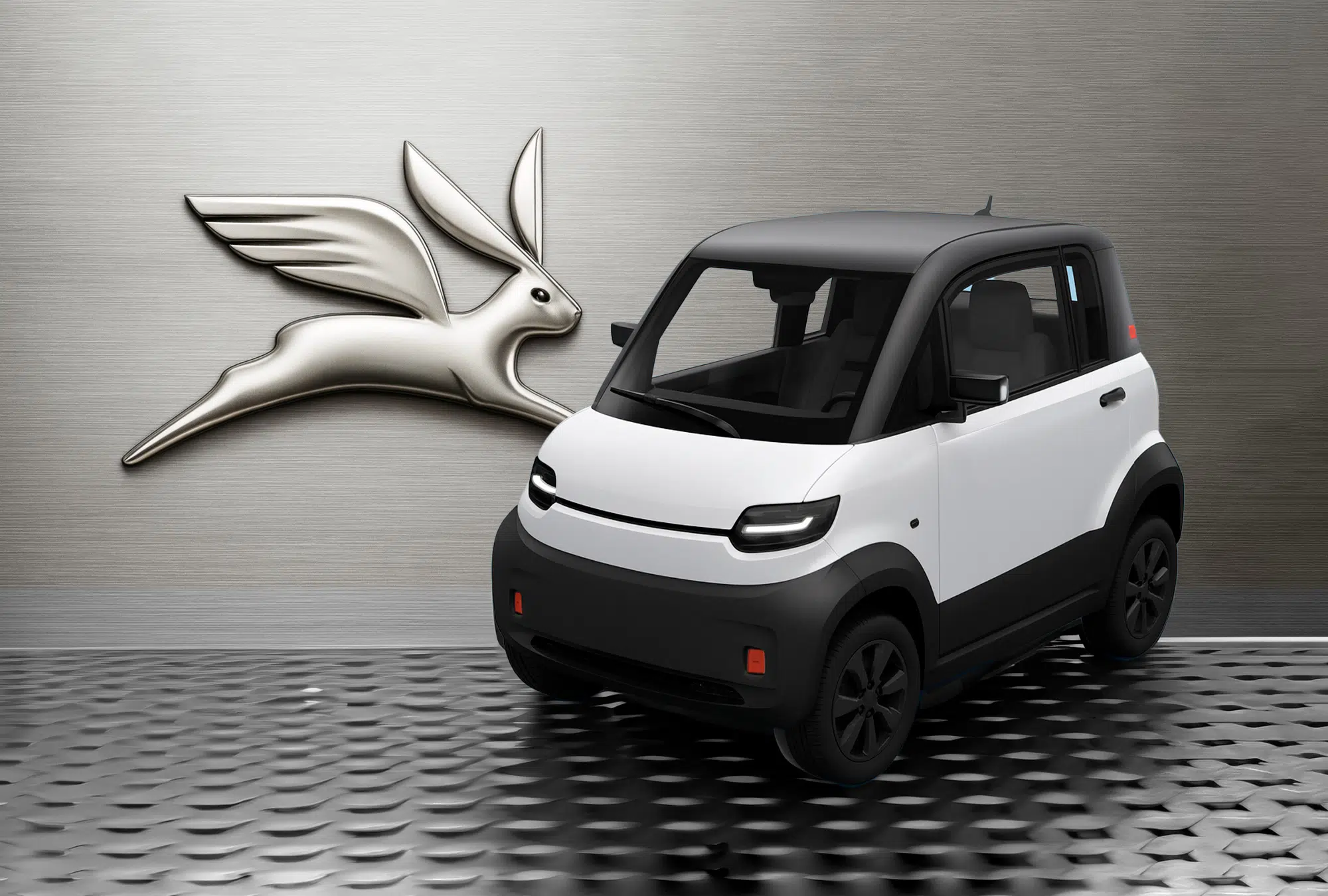
The president of Mexico, Claudia Sheinbaum, presented the prototype of Olinia, the first state brand of electric cars. With estimated prices between 5,000 and 9,000 dollars, these urban cars will reach a maximum speed of 50 km/h and can be charged in conventional outlets, making them an accessible alternative for short trips in cities and towns.
Mass production is scheduled for 2027, and more details about official prices and availability will be announced on June 7th.
Planned Models
The project includes three types of electric vehicles:
- Personal use: designed for families, shopping, and daily commutes.
- Neighborhood mobility: a safe and silent alternative to replace motorcycle taxis.
- Last-mile delivery: designed for deliveries and home shipments.
Prices will range between 90,000 and 150,000 Mexican pesos, depending on the model.
Design and Accessibility
The prototype was developed after consultations with motorcycle taxi users and local communities. It is designed to be inclusive: it allows the transport of packages and wheelchairs, in addition to offering comfort and safety.
The name Olinia, which means “mobility” in Nahuatl, symbolizes the vision of building the first manufacturer of electric mini-vehicles developed in Mexico.
Scientific and Technological Collaboration
The project involves more than 80 specialists in engineering, design, manufacturing, software, and energy. Institutions participating include:
- National Technological Institute of Mexico.
- National Polytechnic Institute.
- National Autonomous University of Mexico (UNAM).
- Popular Autonomous University of the State of Puebla.
- Benemérita Autonomous University of Puebla.
The initiative is coordinated by the Secretariat of Science, Humanities, Technology, and Innovation.
Benefits of the Electric Transition
Electric transportation in Mexico aims to:
- Improve air quality: the transport sector generates about 25% of the country’s pollutants. Electric cars eliminate local emissions from exhaust, reducing respiratory and cardiovascular problems.
- Operational savings: recharging costs up to 60% less than gasoline. In public transport, electric buses reduce operating costs by 70% to 80% compared to diesel ones.
- Industrial innovation and energy sovereignty: projects like Olinia boost Mexican engineering and strengthen the national automotive industry.
- Tax incentives: electric and hybrid vehicles are exempt from paying ownership tax and verification, and can circulate every day.
The presentation of Olinia marks a milestone in the Mexican energy transition. With a focus on accessibility, inclusion, and sustainability, the project seeks to position the country in the global clean energy market and demonstrate that technological innovation can also be socially and culturally transformative.



