



Africa generates around 20 million tons of plastic waste per year, and according to the OECD, this figure could quadruple by 2060 due to population growth and rising living standards.
The lack of efficient collection systems, treatment plants, and packaging alternatives causes severe environmental damage: landfills in cities, livestock ingesting bags, pollution of rivers, lands, and seas.
In 2023, the United Nations warned of a “toxic tidal wave”: of the 400 million tons of plastics produced annually worldwide, 79% accumulates in landfills or in nature, 12% is incinerated, and less than 10% is recycled.
Ecobuild: transforming waste into opportunities
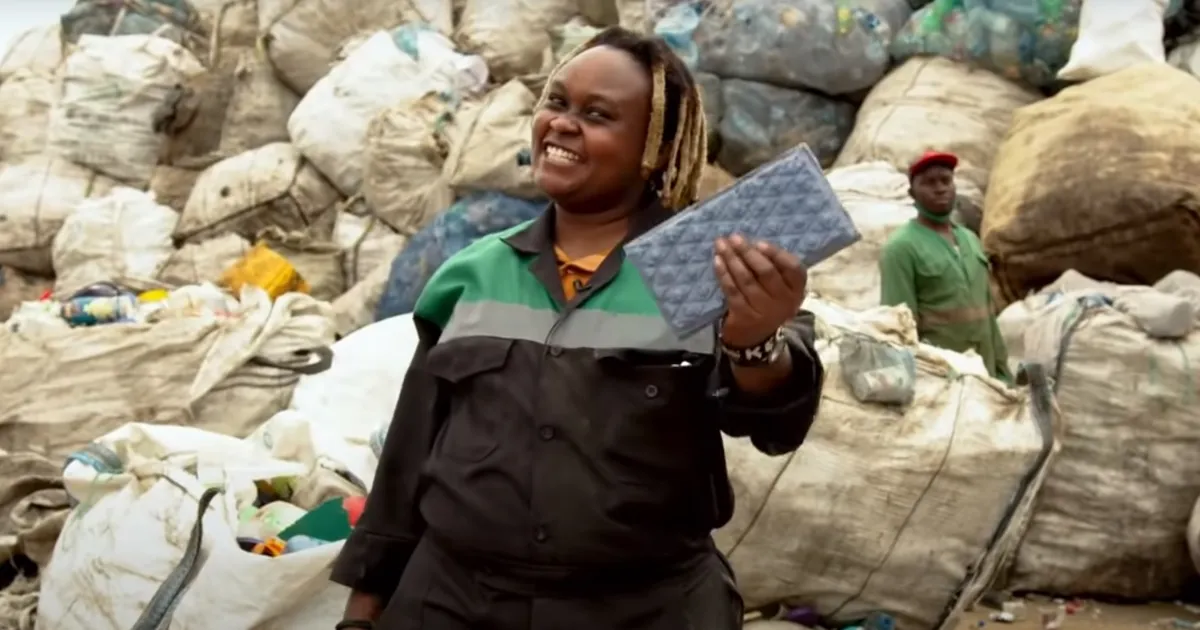
In Mali, engineer Doumbia founded Ecobuild, a small company that turns plastic waste into paving stones, chairs, pipes, and decorative objects.
- It produces about 67 tons of shredded plastic per month, which it sells to pipe factories.
- It employs seven people and has trained 30 vulnerable people, mostly displaced by armed conflict.
- With support from the Spanish NGO Ayuda en Acción and the Bamagreen project, funded by IMG, it acquired larger machinery to approach a nearly industrial model.
- This year, the initiative enters a second phase with support from the Spanish Agency for International Development Cooperation (Aecid).
The goal is to create a self-sufficient network of collectors who transport the raw material to the workshop and earn income, generating a circular economy around plastic.
The international context
In 2022, representatives from 175 countries approved at the UN the creation of the first treaty against plastic pollution.
However, after six rounds of negotiations, the agreement remains stalled. Meanwhile, local projects like Ecobuild show that community action can make a difference.
Africa at the legislative forefront
Although waste management remains deficient, more than 20 African countries have passed laws that prohibit or limit the use of plastics.
- Rwanda is a pioneer: since 2008, it banned polyethylene bags, with fines and jail for violators. Today it is almost impossible to find them in Kigali. The government plans to extend the ban to straws and bottles.
- Kenya and Tanzania passed similar laws, although with less visible results due to management problems and lack of alternatives.
- In September 2025, Gabon joined the restrictions.
- Other countries with measures: Ethiopia, South Africa, Morocco, Botswana, Chad, Ghana, Togo, Congo, Eritrea, Burkina Faso, Algeria, Ivory Coast, Mauritania, Senegal, and Mali.
However, enforcement is uneven. In Mauritania, for example, supermarkets use fabric and paper packaging, but black bags are still present in neighborhood stores. In Senegal and Gambia, plastic invades trees and streets, showing the magnitude of the challenge.
Obstacles and challenges
- Poor enforcement of laws: many bans are not enforced in practice.
- Lack of viable alternatives: fabric or paper packaging does not always replace plastic.
- Global dependence on plastic: oil-producing countries promote it as an alternative to reducing fossil fuel consumption.
Africa, along with Asia, is the continent with the highest growth in plastic waste generation. However, local initiatives like Ecobuild in Mali and pioneering legislation like that of Rwanda show that the continent is not standing idle.
The key is to combine community action, international support, and effective law enforcement to transform plastic from a threat into an opportunity.



