



The search for more responsible consumption and with lower environmental impact is growing in the region. In Argentina, the sale of products with a positive impact increased by 133% in the last year, reflecting a trend that combines social awareness and more environmentally friendly shopping practices.
According to a regional online consumption survey, more than 2.7 million people purchased sustainable products. The category that saw the most growth in sales was sustainable fashion, driven mainly by Argentina and Brazil, where figures almost doubled compared to the previous year.
The interest in garments, footwear, and accessories produced under sustainability criteria shows that ecological awareness is beginning to influence everyday consumption decisions. Along this path, several brands are making efforts to adapt their processes and products to the demands of a more responsible market.
An example is the Moov chain, dedicated to urban clothing, which not only recycles inputs like its distribution boxes but also participates in solidarity recycling programs. At the same time, the company has incorporated new brands aligned with conscious fashion into its commercial offering.
 Conscious and sustainable fashion. Photo: WANDERGREEN.
Wandergreen, a new step towards responsible consumption
This year, Moov added Wandergreen to its offer, an Argentine brand that designs backpacks and accessories made with treated kraft paper. This material, resistant, washable, vegan, and recyclable, offers an innovative and environmentally friendly alternative.
Wandergreen products stand out not only for their creative design but also for their social and environmental impact. For each backpack sold, the company donates a tree to reforest areas affected by fires in the Patagonia and other regions of the country.
In addition, Wandergreen works with the IDEL Foundation, which promotes the labor inclusion of people with disabilities. These collaborations strengthen a business model that prioritizes social responsibility and environmental commitment, demonstrating that it is possible to produce and consume consciously.
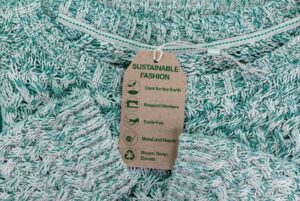 Sustainable fashion
Little-known benefits of sustainable fashion
Beyond reducing the carbon footprint and resource consumption, sustainable fashion has other benefits that are not always visible. By promoting the use of recyclable materials and responsible production processes, it contributes to the circular economy and waste reduction.
Boosting independent brands and cooperatives fosters the local economy and the generation of decent employment. Fair trade practices and social inclusion become part of the business model, expanding the positive impact of each garment or accessory purchased.
Moreover, conscious fashion encourages more reflective consumption, moving away from the disposable fast fashion model. This not only benefits the environment but also promotes a culture of responsible purchasing, where quality and durability are valued more than quantity.
Sustainable fashion is not just a passing trend. It represents a profound change in the way we produce, consume, and value clothing and accessories. In a global context where environmental care and social equity are increasingly urgent, these initiatives pave the way towards a fairer and more sustainable future.



