



The Government of the City of Buenos Aires announced the installation of 400 electric vehicle charging stations in the next two years, as part of the Buenos Aires Electromobility program.
The initiative aims to position the Argentine capital as a national leader in clean mobility, in line with the global growth of electric vehicles.
Urban infrastructure for an energy transition
The chargers will be distributed in public and private spaces with open access.
The plan includes:
- 200 stations in public spaces: sidewalks near parks, non-iconic squares, and public buildings
- 200 stations in private spaces with public access: commercial garages, service stations, and shopping centers
The regulations stipulate that chargers can only be installed in areas with 24-hour parking availability, with a maximum of two spots per block, and prohibit their placement on the roadway.
Public-private partnership for network deployment
Companies will be responsible for the investment, installation, and maintenance.
The city government will establish the technical requirements and coordinate permit approvals, while the private sector will handle operational development.
During a meeting at Ecoparque, Chief of Government Jorge Macri emphasized the goal of making Buenos Aires a national pioneer in urban electromobility.
Charging technology and standards
Equipment adapted to different environments and recharging needs.
- Private spaces: minimum of 7 kW in alternating current (slow charging), with the option of direct current
- Public spaces: minimum of 22 kW (semi-fast charging), in alternating or direct current
All stations will be integrated into a digital application that will allow real-time availability checking, optimizing network usage and avoiding congestion.
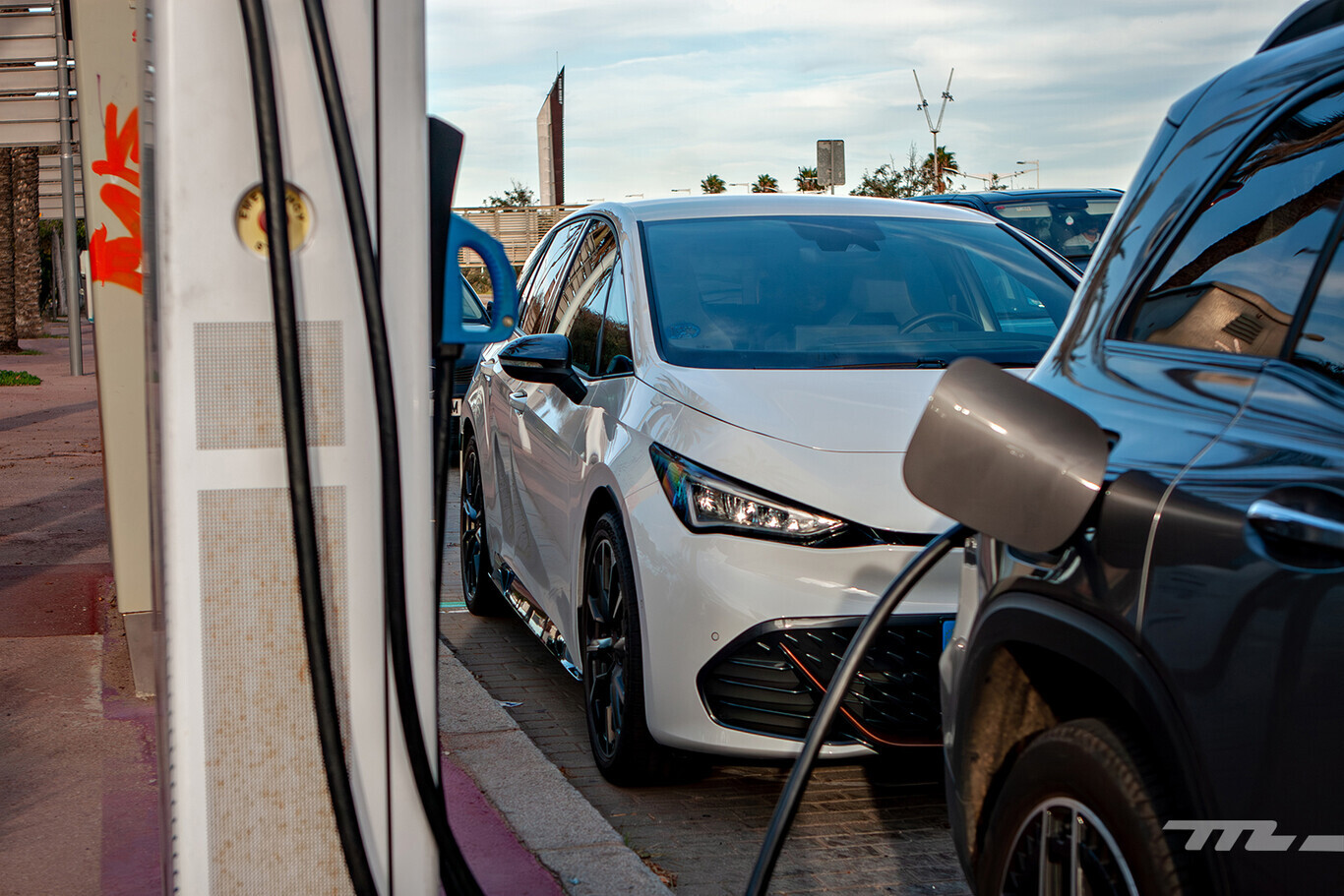 The City of Buenos Aires bets on electromobility
Fiscal incentives for sustainable vehicles
Exemption from vehicle registration tax and tolls for electric and hybrid cars until August 2026.
The policy is complemented with economic benefits to promote the adoption of clean technologies:
- 100% discount on vehicle registration tax for electric cars
- Two-year reduction for hybrids
- Exemption from tolls on urban highways
Public transport with clean energy
Electric buses and emission-free TramBUS begin operating in the City.
Currently, the first line of electric buses connects Parque Lezama and Plaza San Martín, and the fully electric TramBUS system will serve between Nueva Pompeya, Aeroparque, and Barrancas de Belgrano, with an estimated impact on 50,000 daily users.
Regulation for collective fleets starting in 2027
Buses must incorporate electric or CNG units, with an age limit.
Starting in 2027, transportation companies must renew their fleets with new generation vehicles, respecting a maximum of 10 years of age, in line with goals for emission reduction and urban system modernization.



