



The Nahuel Huapi National Park, located in Patagonia and considered Argentina’s first national park, completed various infrastructure and enhancement works this week, representing a significant advancement in the visitor experience, safety, and environmental conservation.
These actions add to the ongoing work of the Park’s Administration to consolidate quality services in one of the most visited destinations in the country.
Recent Works in Key Areas
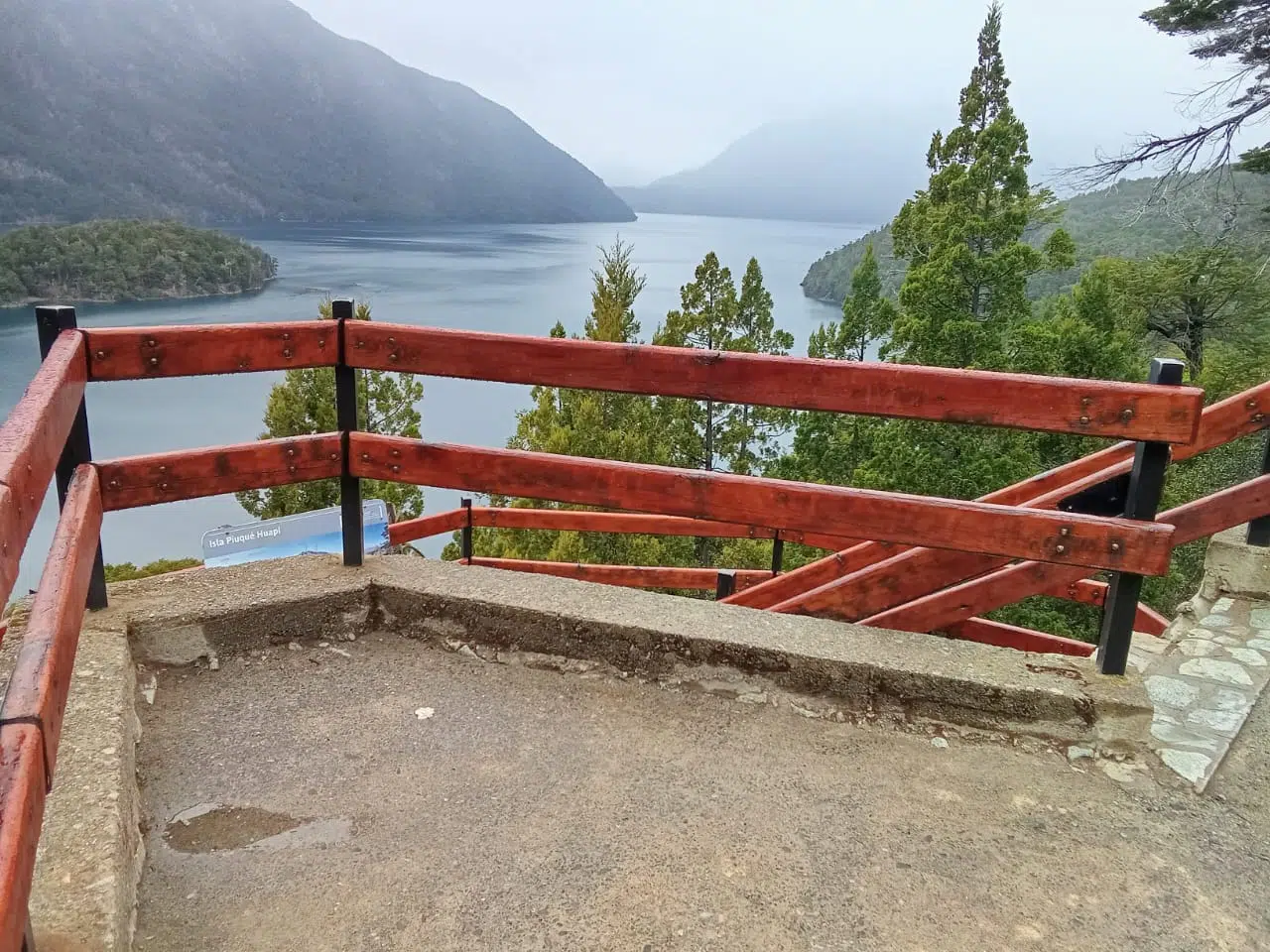
- Isla Corazón Viewpoint: the structure was completely renovated, and the boards were replaced, improving the safety and enjoyment of those who travel the path to Cerro Tronador.
- Public Restrooms at Los Rápidos: installation of new units to accommodate high tourist traffic and strengthen basic services.
- Renewed Signage: 107 directional, regulatory, and road signs were installed, along with interpretive panels at Saltillo Las Nalcas, improving communication and public use organization.
- Pampa Linda Information Center: updating and enhancement of this strategic space for visitor orientation and assistance.
- Bridge over the Roca River (Los Alerces Waterfall): maintenance in coordination with Provincial Road Authority.
- Victoria Island: construction of a new building with accessible restrooms, adequate lighting, spacious countertops, and modern equipment. Includes a treatment plant for wastewater treatment, reducing environmental impact.
The operation and maintenance of these facilities will be managed by the new concessionaire Espacio S.A., as part of strengthening tourist services.
Upcoming Projects in the Park
The reopening of the Cerro Bella Vista viewpoint and the inauguration of a permanent historical exhibit at Casa Anchorena were announced, expanding the cultural and recreational offerings for visitors and residents.
Importance of Nahuel Huapi National Park
Nahuel Huapi is crucial for multiple reasons:
- Pioneer in Conservation: created in 1903 thanks to the land donation by Francisco Moreno, it marked the beginning of natural area protection in Argentina.
- Biodiversity and Ecosystems: protects lenga, cypress, and arrayán forests, as well as the Valdivian rainforest, a unique and valuable ecosystem. It conserves endemic species and fragile habitats.
- Water Resources: safeguards water sources that nourish forests and communities, ensuring ecosystem health.
- Cultural and Historical Value: testimony of the occupation by indigenous communities such as the Puelches and Poyas, and the history of conservation in the country.
- Education and Science: a space for research and environmental education.
- Recreation and Tourism: offers outdoor activities that promote well-being and sustainable tourism.
- Future Generations: its creation responds to the principle of “use and enjoyment of present and future generations.”
The Nahuel Huapi National Park not only protects an incomparable scenic beauty but is also a sanctuary for wildlife, a vital water source, and a historical and cultural legacy for all Argentinians. The recent works and ongoing projects reinforce its role as a driver of sustainable tourism and as a conservation space that ensures enjoyment and study for future generations.


