



Science revealed a new devastating impact of microplastics: apparently, these can reach the brain and trigger inflammatory processes capable of accelerating cognitive deterioration.
This is pointed out by a recent scientific review, which identified five cellular mechanisms through which these microscopic particles damage nervous tissue.
Due to this, they could worsen diseases such as Alzheimer’s and Parkinson’s.
The study, published in Molecular and Cellular Biochemistry, results from the collaboration between the University of Technology Sydney and Auburn University.
The researchers point out that more than 57 million people currently live with dementia worldwide, a figure that will increase dramatically in the coming decades.
In this scenario, microplastics add to the threat, as exposure to these particles is inevitable.
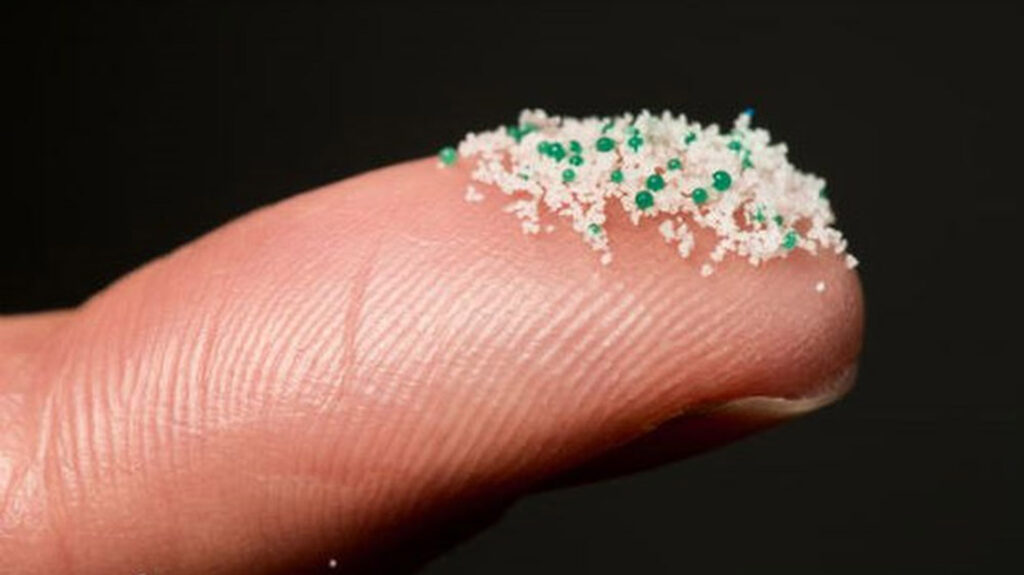
It is estimated that an adult person ingests 250 grams of microplastics per year, equivalent to covering a flat plate.
These enter the body through contaminated seafood, table salt, bottled water, processed foods, and even synthetic fabrics that release fibers during washing.
Five ways microplastics damage the brain
Microplastics affect the brain through interconnected processes that reinforce each other:
1. Excessive activation of the brain’s immune system: Microglia cells interpret these particles as intruders, generating constant inflammation that keeps nervous tissue in a state of permanent alert.
2. Oxidative stress: Increases the production of reactive oxygen species, molecules that deteriorate proteins and cell membranes while reducing the body’s natural antioxidant capacity.
3. Weakening of the blood-brain barrier: This protective filter becomes porous, allowing inflammatory substances and immune cells to enter the brain more easily, initiating a vicious cycle of damage.
4. Interference in energy production: Mitochondria lose efficiency in generating ATP. Without enough energy, neurons function worse and become vulnerable to metabolic stress.
5. Direct neuronal deterioration: The combination of inflammation, energy loss, and weakened barrier causes neurons to show structural alterations and impaired ability to transmit signals.

The connection of microplastics with neurodegenerative diseases
According to specialists, microplastics could act as accelerants in already vulnerable brains.
In experimental models, these particles favor the accumulation of beta-amyloid and tau, proteins associated with Alzheimer’s, and promote the aggregation of α-synuclein, linked to Parkinson’s.
Additional vulnerability is also observed in dopaminergic neurons, essential for movement control.
Although there is no confirmation of a direct causal relationship, the evidence points in a worrying direction.
Microplastics: is it possible to reduce exposure?
While research continues on how microplastics are inhaled, where they are deposited, and how they affect other organs besides the brain, experts recommend everyday actions to reduce risk.
Among them, it is recommended to avoid plastic containers, opt for natural fabrics, and reduce the consumption of ultra-processed foods to limit the entry of microplastics into the body in general and the brain in particular.
Complete understanding of the phenomenon will help guide public policies on packaging, textiles, and waste management.
Microplastics in the brain represent a health challenge that requires urgent attention both individually and collectively, especially considering their ubiquitous presence in the environment and the difficulty in avoiding daily exposure.


