



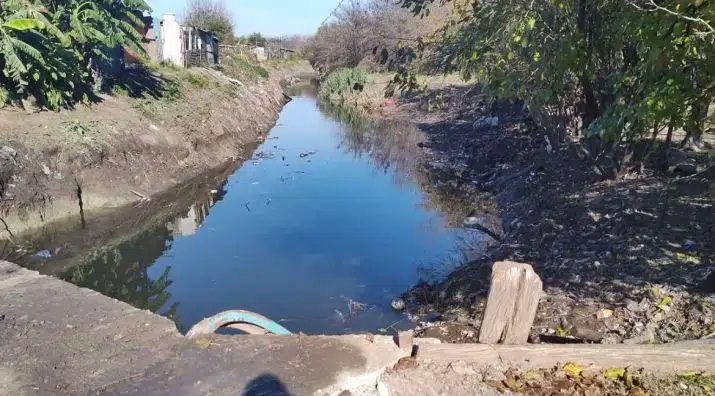
In the Barrio Amancay of Maquinista Savio, on the border with the Pilar district, the Municipality of Escobar deployed a large-scale sanitation operation on the Pinazo Stream to improve water drainage and prevent flooding in vulnerable areas.
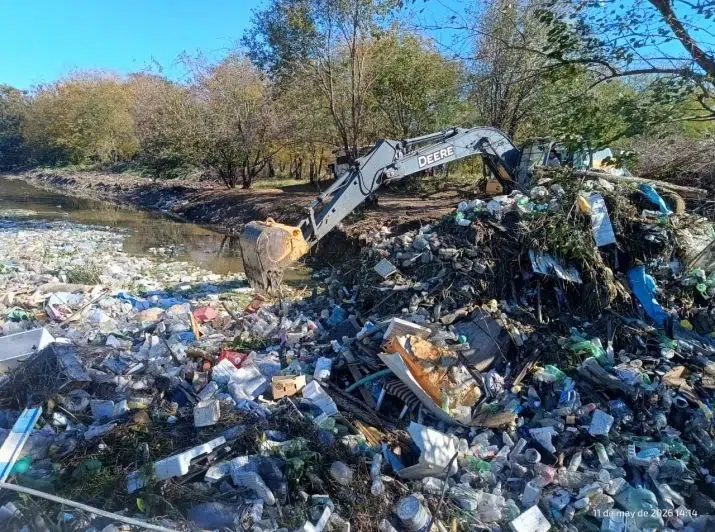
As a result of the tasks, more than 200 tons of accumulated waste were removed from the stream and its banks. Among the waste found were plastics, branches, household waste, and large objects that obstructed the natural flow of the stream.
Additionally, local authorities pointed out that a large part of the garbage does not originate solely from Escobar. Currents carry waste from other municipalities that are part of the same water basin, worsening the pollution and environmental deterioration of the entire region.
Accumulated Waste and Risks to Ecosystems
The Pinazo Stream plays a key role within the local water system. However, for years it has suffered a strong impact from the accumulation of urban waste that altered its natural dynamics and affected water quality.
For this reason, the municipality advanced with specialized machinery and manual operations to remove materials that impeded proper drainage. These obstructions favor overflows during heavy rains and cause flooding in nearby streets and homes.
At the same time, pollution also harms aquatic and terrestrial biodiversity. Waste reduces the oxygen in the water, affects fish, birds, and amphibians, and facilitates the proliferation of infectious hotspots and open-air micro-dumps.
Ecobardas and Monitoring to Prevent New Contamination Sources
As a preventive strategy, in December 2024, the Municipality installed an ecobarda at the intersection of Rivadavia and the stream, behind the Environmental Pole of Maquinista Savio. This system functions as a floating barrier that retains much of the waste before it continues advancing along the watercourse.
The measure aims to protect especially the Escobar Stream and sensitive areas of the Ingeniero Maschwitz Reserve, where waste can cause long-term ecological damage to wetlands and native fauna.
Furthermore, authorities confirmed that periodic controls and preventive maintenance tasks will continue to preserve the recovered conditions of the stream and prevent new waste accumulations.
The Environmental Benefits of Cleaning an Urban Stream
The recovery of urban watercourses provides direct benefits both for the environment and the population. A clean stream improves natural drainage and reduces the impact of intense storms, which are increasingly frequent due to climate change.
Moreover, the removal of waste favors the oxygenation of the water and allows various species to recover part of their natural habitat. This strengthens local ecosystems and contributes to preserving biological corridors essential for biodiversity.
On the other hand, sanitation helps reduce bad odors, contamination hotspots, and health risks associated with waste accumulation. It also promotes a greater environmental awareness in the community and reinforces the importance of waste separation and household recycling.
Collective Awareness to Protect Streams
The Municipality emphasized that maintaining these improvements also depends on citizen commitment. Escobar has a household collection system that operates six times a week throughout the district.
In this context, there was an insistence on the need to avoid throwing garbage in streets, ditches, and watercourses, as these wastes end up directly impacting streams and natural reserves.
Additionally, authorities invited residents to collaborate through sustainable habits, waste separation, and reports through municipal channels aimed at detecting environmental contamination hotspots.


