



In Argentina, around 25 million tons of industrial waste were generated last year, but only 4% was managed by authorized handlers and sent to recovery, treatment, or safe final disposal processes. The rest, more than 90%, ended up in open-air dumps or informal circuits, which explains the expansion of these pollution hotspots across the country.
The magnitude of the problem
According to the National Environment Subsecretariat and the COFEMA, there are between 5,000 and 5,400 open-air dumps in Argentina. There, waste is mixed, burned, and leached into the soil, water tables, and air without any containment, creating health and environmental risks that directly affect millions of people.
The Argentine Chamber of Industrial and Special Waste Handlers and Transporters (CATRIES) warns that these sites represent an environmental setback and a risk to nearby communities. The survey conducted together with the Hazardous Waste Observatory of UNR and UBA confirms that only 8.5% of companies hire authorized services for waste treatment.
Claudia Kalinec, president of Catries, stated: “The existence of thousands of open-air dumps is the clearest symptom of a waste management system that urgently needs a paradigm shift. It’s not just about cleaning up a site or closing a location; it’s about changing the logic with which the country handles its waste”.
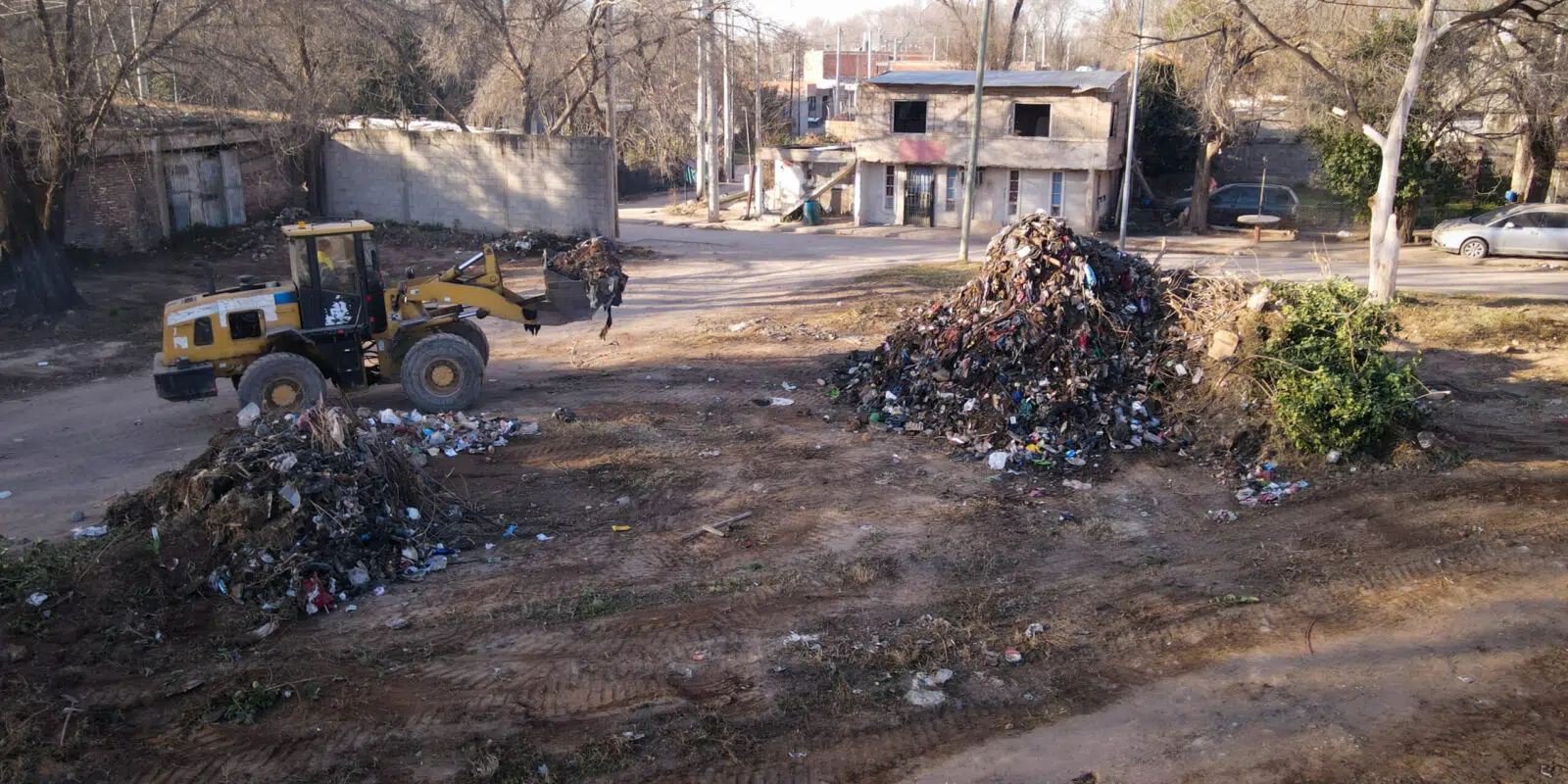
Most affected provinces
The expansion of dumps is observed throughout the territory:
- Santa Fe: about 400 open-air dumps.
- Buenos Aires: emblematic cases like the historic dump in Luján, closed in 2021, and clandestine dumping in José León Suárez.
- NOA: more than 600 informal dumps in Jujuy, Salta, and Santiago del Estero.
- Tucumán: critical dumps in the metropolitan area of San Miguel, with over 1,600 tons daily without sanitary conditions.
- Entre Ríos: Concordia is highlighted as a critical point in IDB reports due to volume and urban proximity.
Environmental and health risks
In informal dumps, household, industrial, and hazardous waste are mixed, generating:
- Toxic leachates that contaminate soil and water tables.
- Methane emissions that contribute to climate change.
- Open-air burning that releases dioxins and furans, highly harmful to human health.
Sanitary landfills: a safe alternative
In contrast, Argentina has about 70 authorized sanitary landfills, concentrated in Buenos Aires, Córdoba, Mendoza, Santa Fe, and Tucumán. These facilities offer:
- Cell impermeabilization to prevent contact with the soil.
- Leachate collection and treatment systems.
- Permanent monitoring of water tables and environmental quality.
Kalinec explains: “The cell of a sanitary landfill is a compartment covered with a membrane that prevents direct contact of waste with the soil. It also has a leachate collection system for treatment. The entire site operates under environmental standards, with daily monitoring and constant oversight”.
Argentina faces a double challenge: reducing waste generation at the source and promoting an integrated management system with separation, recycling, recovery, and safe disposal. The gap between the more than five thousand informal dumps and the 70 authorized sanitary landfills highlights the urgency of advancing towards models that prioritize public health and environmental care.


