



Pistachios are a type of nut recognized for their flavor and nutritional contribution, but few times do we think about what remains after consuming them: their shells. Generally discarded, these can be transformed into a valuable resource, both for soil health and environmental sustainability.
Currently, organic waste has become an environmental challenge. Repurposing elements such as nut shells helps reduce garbage, improve soil, and strengthen the link between nutrition and ecology. In the case of pistachios, this virtuous circle is more evident than ever.
Although they do not have the same concentration of nutrients as the seed, pistachio shells contain minerals such as calcium, potassium, and magnesium. These components are crucial for healthy and strong plant growth, and when incorporated into the soil, they act as a long-lasting natural fertilizer.
Their slow decomposition releases nutrients gradually, ensuring a prolonged and constant effect. At the same time, they help aerate the soil, allowing roots to expand more easily and facilitating the circulation of water and oxygen.
 Pistachios are a nut equally beneficial for health and the environment. Photo: Unsplash.
Step by step: how to transform pistachio shells into ecological fertilizer
The process is simple and only requires patience and consistency. Here’s how they can be used:
- Collection: save the shells after eating pistachios.
- Cleaning: if they are salted, wash them well to remove sodium residues and let them dry.
- Crushing: with a mortar and pestle or food processor, break them into small pieces to facilitate their integration into the soil.
- Application: in pots, mix them with the soil; in gardens, spread them around the base of the plants.
With this simple method, a daily waste is used to enrich the environment and reduce the generation of organic waste.
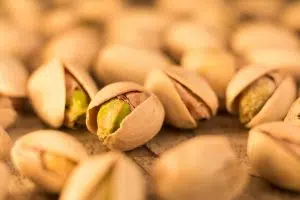 Pistachios are a nut equally beneficial for health and the environment. Photo: Unsplash.
A superfood for people and the planet
Beyond their shells, pistachios themselves are an ally for health. They contain plant-based proteins, fiber, healthy fats, and antioxidants that favor the cardiovascular system, regulate cholesterol, and help control weight. Their frequent consumption is linked to the prevention of metabolic diseases and the strengthening of the immune system.
On the environmental front, pistachio cultivation offers advantages over other nuts. It is a drought-resistant tree and adapts well to arid soils, allowing for production in water-scarce regions. Furthermore, it contributes to carbon sequestration in the soil and to generating sustainable economies in rural areas.
The dual benefit —for human health and the environment— makes pistachios a symbol of conscious eating. By repurposing even their shells, a step is taken towards responsible consumption that minimizes waste and maximizes benefits.
In times when the climate crisis demands new forms of production and consumption, pistachios demonstrate that small gestures —like recycling a shell— can have a big impact on nature and on the quality of life itself.



