



The province of San Juan took a new step in its environmental policies by expanding the cooperation agreement with the company ECOBAT S.A.S, an initiative aimed at strengthening the circular economy and increasing the recovery of recyclable materials.
The agreement will allow reincorporating more than 100,000 kilos of waste into different production processes, preventing large volumes of materials from ending up in landfills and promoting a more sustainable management model.
The measure is part of the strategies promoted by the State Secretariat for Environment and Sustainable Development, which seeks to consolidate a system based on the reuse of resources and the reduction of environmental impact throughout the San Juan territory.
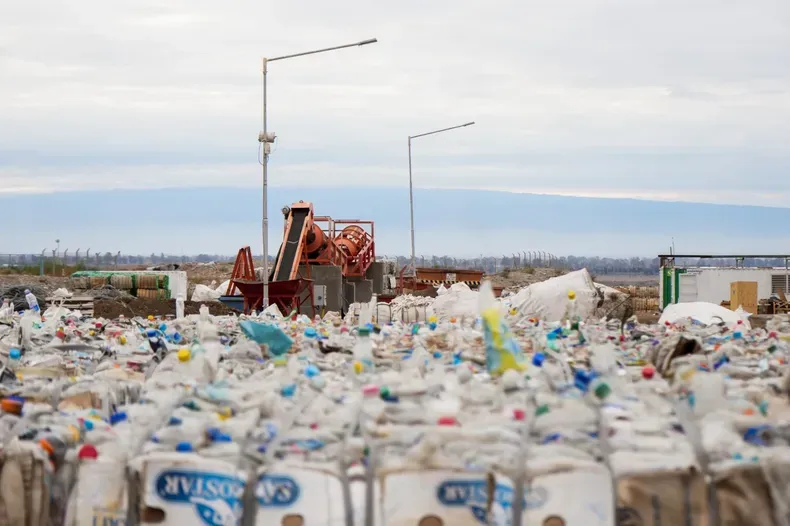
Recyclable materials return to the production circuit
The agreement includes the recovery of a wide variety of waste collected at the Environmental Technologies Park (PTA). Among them are more than 66,000 kilos of high-quality cardboard, as well as crystal film, stretch film, bulk bag raffia, polycarbonate drums, and plastic containers.
All these materials will be reincorporated into industrial chains for reuse, reducing the demand for virgin raw materials and decreasing the generation of urban waste.
Furthermore, the provincial environmental area emphasized that cooperation with the private sector is essential to optimize resources and improve recovery systems for recyclable waste.
As part of the agreement, ECOBAT will also deliver batteries intended for the operational functioning of the Secretariat of Environment, strengthening logistical and mobility tasks related to environmental services.
San Juan bets on a sustainable model
The expansion of the agreement comes after the positive results obtained in an initial phase of joint work between the province and the company. According to the authorities, the initially planned objectives were met and allowed progress towards new environmental goals.
In parallel, San Juan continues to develop projects related to the valorization of waste and technological innovation applied to recycling. In recent years, the province has managed to position itself as one of the most active jurisdictions in the country in terms of circular economy.
Additionally, various initiatives promoted in departments like Sarmiento aim to transform waste into strategic resources, both for industrial production and for energy generation.
In this way, the provincial government seeks to consolidate a long-term environmental policy based on efficiency, reuse of materials, and reduction of pollution.
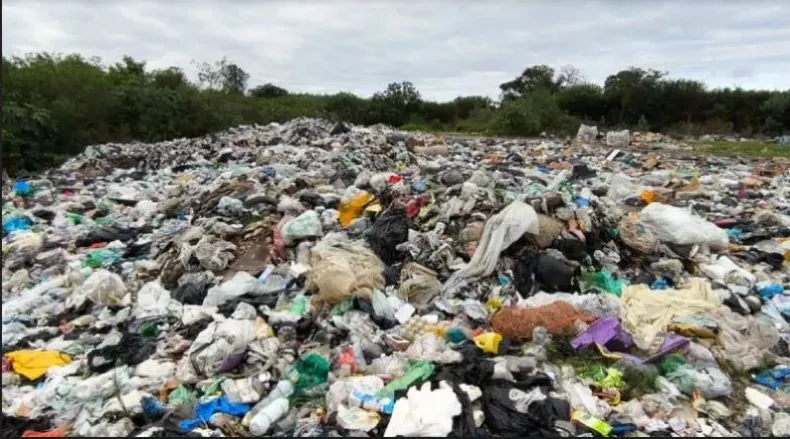
The environmental benefits of the circular economy
The circular economy represents a key alternative to the global growth of urban and industrial waste. Unlike the traditional “use and dispose” model, this system seeks to keep materials within the production circuit for as long as possible.
Among its main benefits is the reduction of environmental pollution, as it decreases the amount of waste sent to dumps or landfills. Additionally, it saves energy and natural resources by reusing existing materials.
Moreover, the recovery and recycling of waste helps reduce greenhouse gas emissions associated with the extraction and manufacturing of new raw materials.
These types of initiatives also promote green employment, technological innovation, and new economic opportunities linked to sustainability, strengthening more responsible production models with the environment and natural resources.



