



This week, Mendoza took a historic step in environmental matters. It closes the Guaymallén landfill, the Puente de Hierro landfill, a historical source of contamination.
It was affecting more than 15 neighborhoods and generating about 35,000 tons of waste per month.
The definitive closure was carried out in a coordinated operation between the Municipality and the Government of Mendoza, within the framework of the Comprehensive Environmental Remediation Plan.
From now on, 100% of urban solid waste (RSU) will be sent to the El Borbollón sanitary landfill, the only formally authorized one in Greater Mendoza.
Social inclusion and dignification of labor
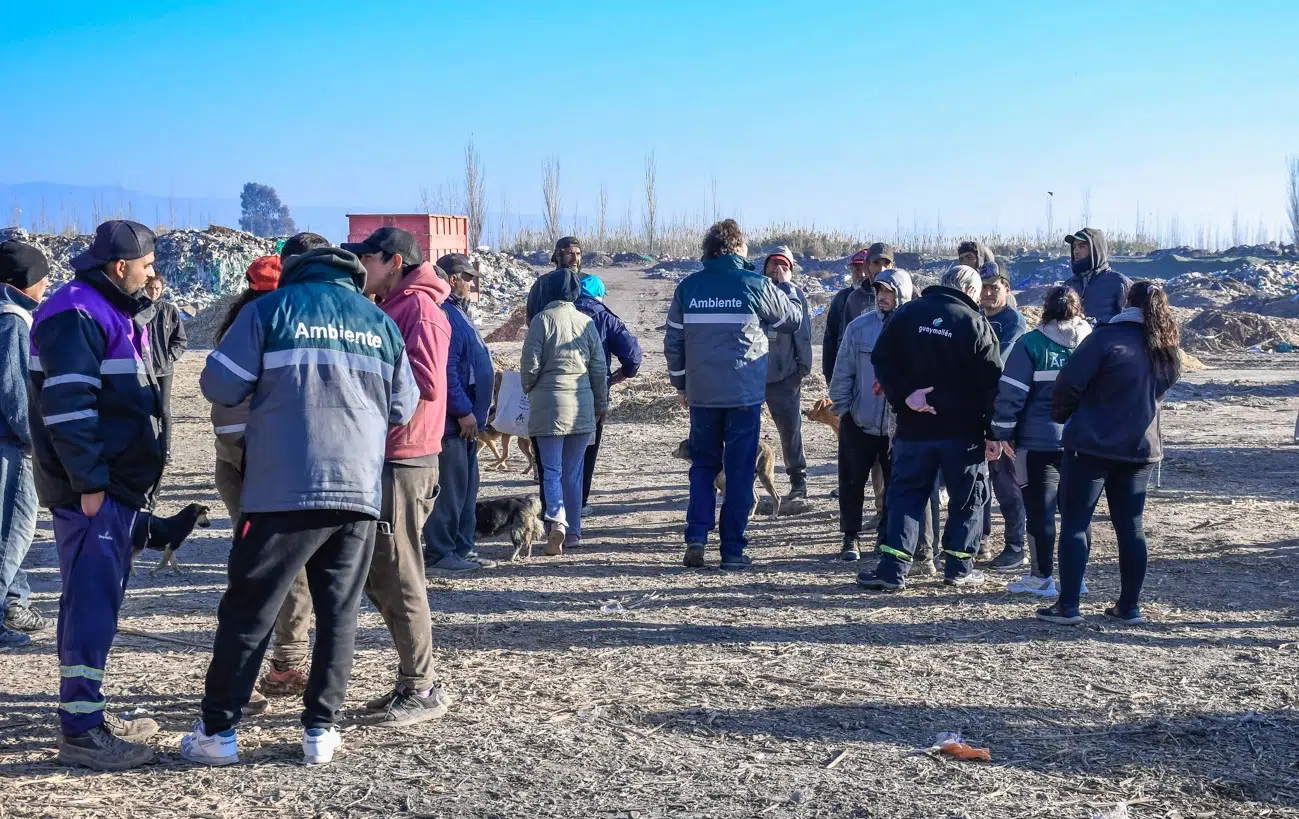 The landfill will close definitively.
The municipality recognized that more than 30 families depended on informal recycling at the site. In response, they are gradually incorporating them into cooperatives within the municipal Green Center, providing them with training, equipment, transportation, and income during the transition.
Mayor Marcos Calvente stated: “It is not just about closing a landfill; it is about opening opportunities”.
Governor Alfredo Cornejo described the closure as an “environmental milestone” that sets the course towards a modern, sustainable, and inclusive waste system.
Additionally, he announced the upcoming submission of the Urban Solid Waste (RSU) Law project to the Legislature, with clear objectives:
-
Eradicate open-air landfills.
-
Promote citizen education and awareness.
-
Establish a Provincial Integrated Waste Management System with minimum standards and controls.
- Create a provincial fund financed with public resources and fines to strengthen municipal waste treatment infrastructure.
Environmental remediation and future guarantees
The operation included the legal closure of the site, social assistance to recycling families, and the diversion of waste to the appropriate sanitary landfill.
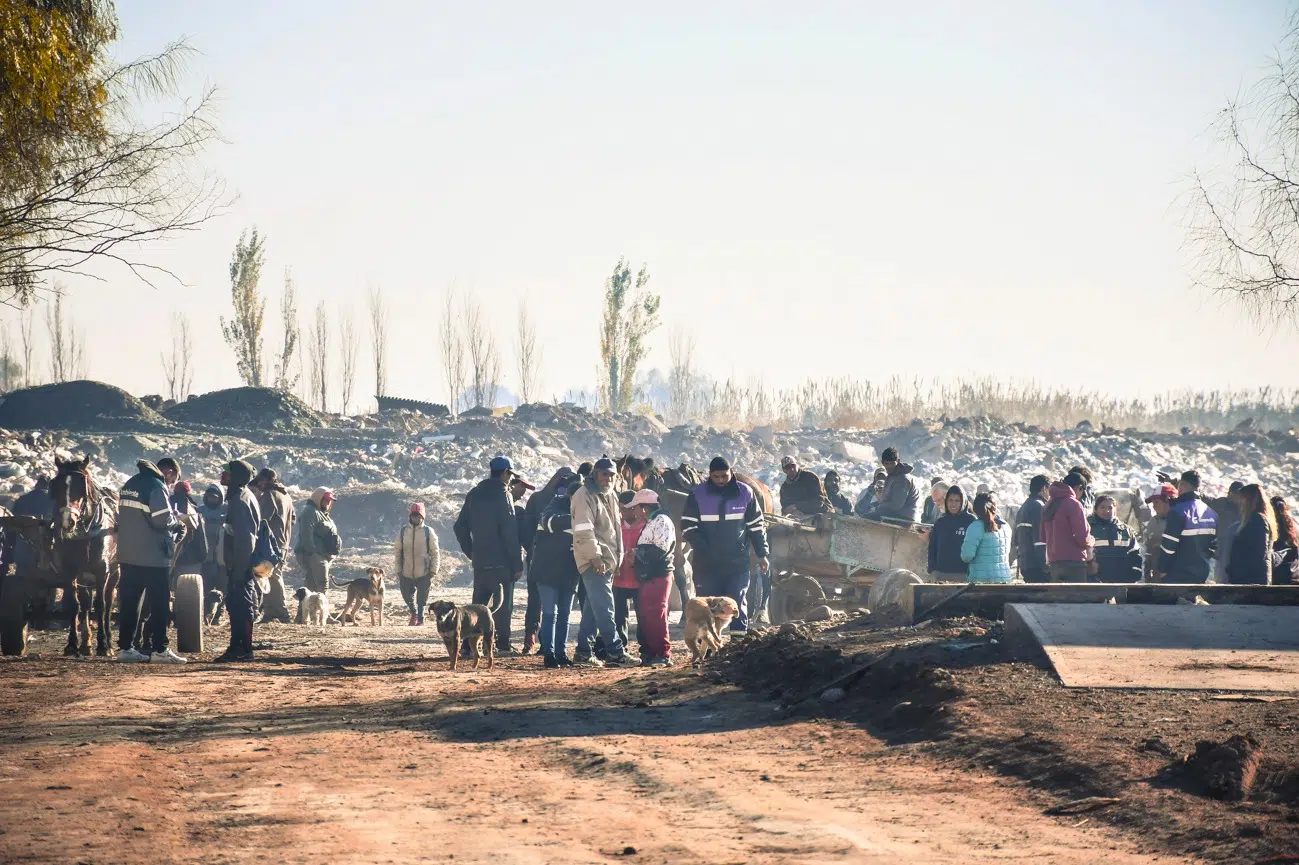 How they will manage the waste.
Now, in collaboration with the Ministry of Environment, the INTA, and the ArgenInta Foundation, a technical specification is being prepared for the progressive environmental remediation of the site.
Minister Jimena Latorre highlighted that this plan combines education (on source separation and community recycling) with control mechanisms and sanctions for non-compliance.


